Melasma
Melasma is one of the most complex, stubborn, and challenging skin conditions in aesthetic medicine a chronic pigmentation disorder characterised by symmetrical patches of brown or grey-brown discolouration that most commonly appear on the cheeks, forehead, upper lip, and chin. Triggered by a combination of UV exposure, hormonal fluctuations, and genetic predisposition, melasma occurs when melanocytes, the pigment-producing cells within the skin, become overactivated and produce excess melanin in concentrated, irregular patterns. While entirely harmless, the visible and persistent nature of melasma can profoundly impact self-confidence, self-image, and quality of life, particularly given its tendency to resist treatment and recur despite best efforts. With the right clinical approach, meaningful and lasting improvement in melasma is achievable but it requires expertise, patience, and a comprehensive, multi-pronged management strategy.
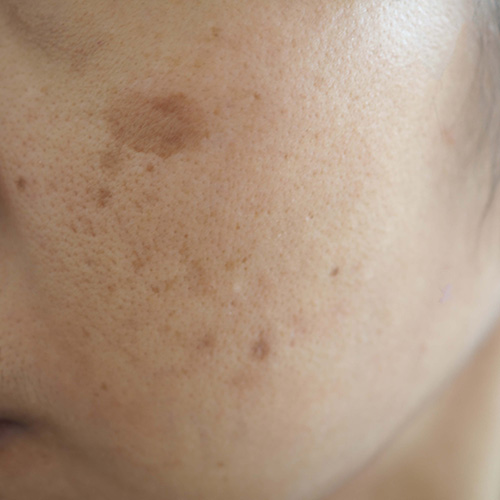
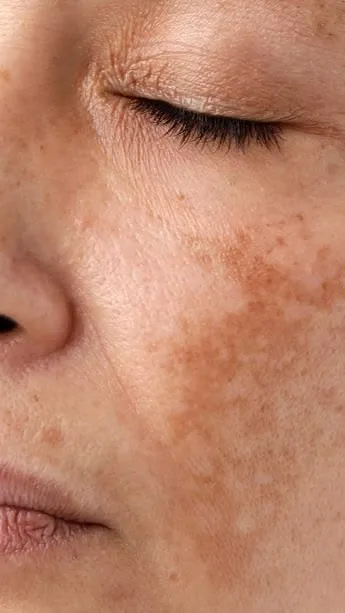
Melasma is one of the most common hyperpigmentation disorders, most often affecting women and darker skin types.
It usually appears on the face as irregular dark patches.
The main triggers include oral contraceptives, pregnancy, sunlight, heat and genetics.
Melasma occurs at three different depths within the skin — epidermal melasma (superficial), dermal melasma (deep), and mixed melasma (both layers) — with deeper melasma being significantly more challenging to treat and requiring a more intensive and prolonged clinical approach
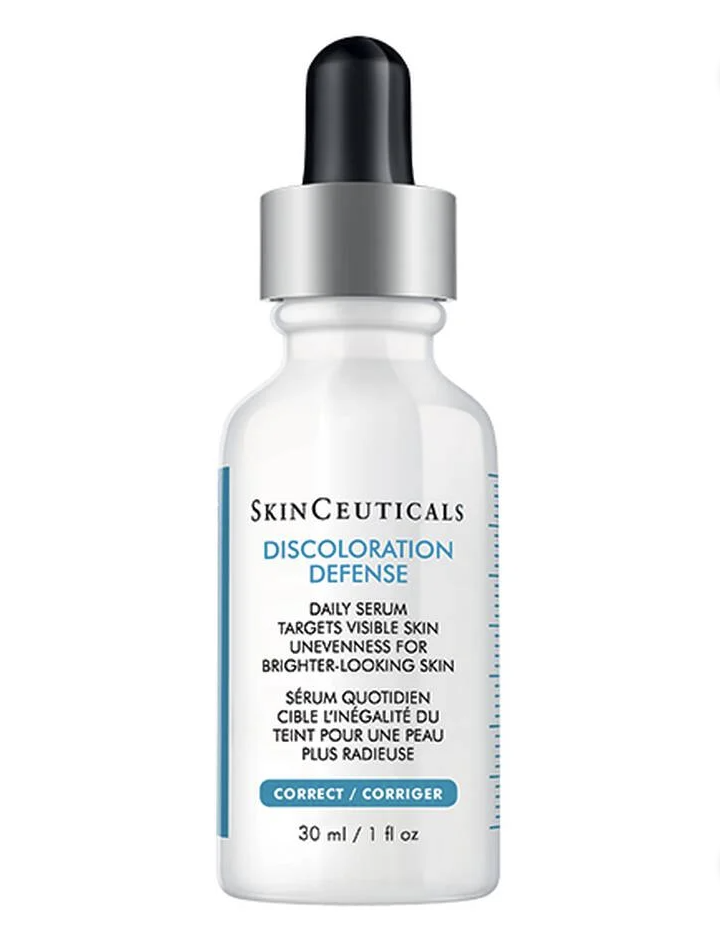
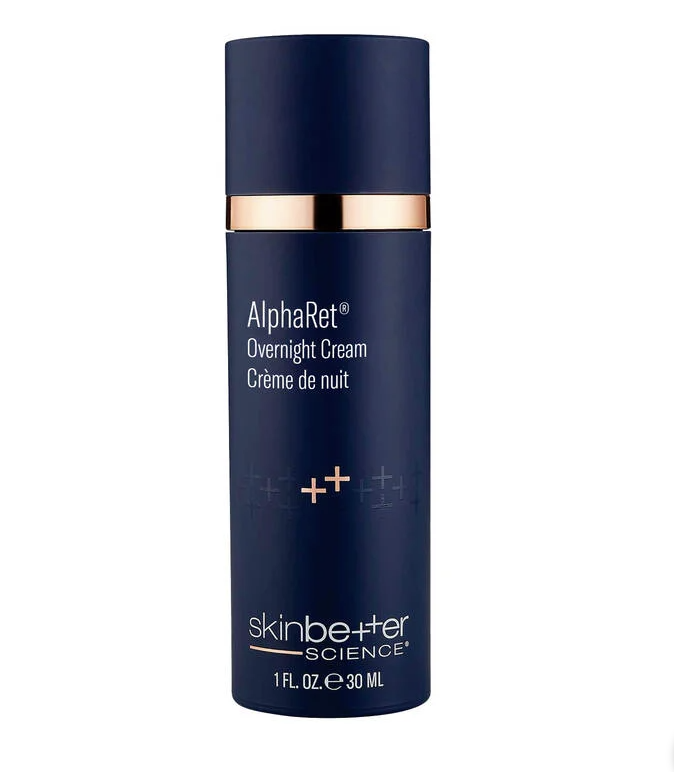
A multi-pronged treatment approach delivers the best results — combining laser treatment, chemical peels, topical brightening agents, and strict sun protection for the most comprehensive and lasting melasma improvement
Treating melasma
Your SKIN expert will assess your skin and design a personalised plan at your complimentary consult.