
A Gentle Approach to Restful, Quiet Sleep
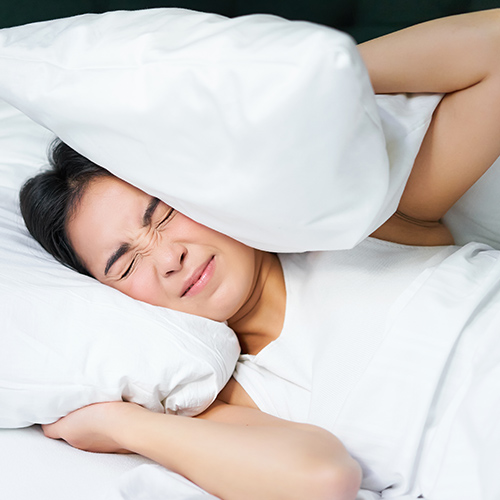
Is snoring disrupting your sleep or affecting the restfulness of those around you?
At SKIN Clinics, this gentle and non-invasive laser therapy helps reduce soft tissue vibration in the airway and encourages smoother nightly breathing. The treatment works by gently strengthening the soft palate and oral mucosa, thereby improving airflow and easing snoring associated with tissue laxity or mild sleep-related breathing issues. By supporting healthier airway function, this approach can help with early-stage sleep apnoea and contribute to more peaceful, restorative nights.
How This Gentle Laser Approach Works
Our advanced non-ablative laser technology safely targets the oral mucosa inside the mouth. This laser treatment for snoring gently warms the tissues at the back of the throat, stimulating natural collagen remodelling. As the collagen strengthens, the soft palate becomes more supported, which helps reduce airway vibration and encourages smoother, more comfortable airflow during sleep.
This method is calm, comfortable, and requires no anesthetic. It is widely chosen as a refined alternative to older surgical approaches, such as laser-assisted uvulopalatoplasty, offering a modern way to ease snoring without incisions or extended recovery.
Pre Treatment
Before You Arrive
- Please complete your Health History and Intake form before your appointment. If this is not possible, we kindly ask that you arrive fifteen minutes early so we can assist you.
How To Prepare
- Brush your teeth and gently rinse with mouthwash or salt water
- Stay well hydrated to support a comfortable, healthy oral mucosa
What To Avoid
- Avoid alcohol and smoking for twenty-four hours before your visit
- We cannot proceed with treatment if you have active mouth sores or lesions
- You must be off oral isotretinoin for a minimum of six months before treatment
- For your safety, treatment is not performed during pregnancy or breastfeeding
Post Treatment
Downtime
- There is no downtime following this treatment
- You may notice mild dryness or a light scratchy sensation in the throat as the treated tissues settle.
Post Care
- You may eat and drink immediately after your appointment
- Staying hydrated can help soothe the oral mucosa and support comfort
Follow Up
- A series of three sessions over six weeks is recommended to achieve the best outcome
- Maintenance sessions may help support long-term results as natural tissue changes occur over time
Treatment Overview
Treatments Needed
3
2 to 6 weeks
12 months
Benefits of This Gentle Treatment
- Supports quieter, more restful sleep for you and your partner
- Helps improve mild sleep apnoea-related symptoms by enhancing airflow
- Encourages better daytime energy, clarity, and overall comfort
- Involves no incisions, no downtime, and a comfortable treatment experience
- Gently tightens soft palate tissues through natural collagen activation
Conditions This Treatment Helps With
- Snoring is related to soft tissue vibration
- Mild sleep-related breathing difficulty
- Soft palate laxity that contributes to airway obstruction
Frequently Asked Questions
Does the treatment hurt
+ The treatment is generally very comfortable and feels like a gentle warming sensation. Clients with a sensitive gag reflex may experience brief discomfort as the laser works near the soft palate.
What is the downtime?
+ There is minimal downtime. You may notice a light, dry or tender sensation in the throat for one to two days as the treated tissues settle.
Is this treatment only for men?
+ No. Snoring affects both men and women. Anyone wishing to improve nightly breathing and overall sleep quality can be assessed for suitability.
Are the results permanent?
+ Results vary from person to person. Some clients enjoy long-lasting improvement, while others may notice a gradual return over time due to natural tissue aging or lifestyle factors. Maintenance sessions can help support long-term results.
Is this treatment effective for all types of snoring
+ This approach is most effective for snoring caused by airway vibration or laxity in the soft palate. Snoring linked to moderate or severe obstructive sleep apnoea, obesity, or structural concerns may require further assessment, such as a sleep study or a consultation with an ENT specialist.