Reveal a Brighter Complexion with Precision Skin Renewal
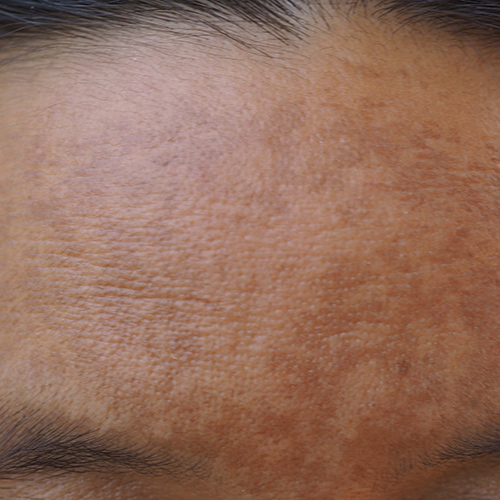
Melasma is a form of hyperpigmentation triggered by hormonal changes, often appearing on the cheeks, forehead, or upper lip. Because it’s influenced by both internal and external factors, it can be one of the most challenging skin conditions to treat effectively.
At SKIN Clinics, our dermatologist-led team takes a precision-based approach to managing melasma. Using advanced laser technology, we safely target and break down excess pigment beneath the skin’s surface while supporting healthy cell renewal. Each treatment is customized to your skin type, sensitivity, and goals, ensuring visible improvement, long-term care, and renewed confidence.
With our guidance and a tailored home care plan, you can experience a brighter, more balanced complexion and the reassurance that your skin is in expert hands.
Understanding Melasma and How It’s Treated
Melasma is a complex type of hyperpigmentation to treat. It requires special care and knowledge of lasers and products to inhibit pigment production in the skin. Melasma can be stimulated by heat; therefore, precise laser modalities and settings are chosen by your technician, curating the procedure for you and your skin. It is important that throughout your consultation, you have a clear understanding that melasma may only be improved temporarily.
With the combination of medical-grade skincare and laser treatments, we can help suppress the melasma, leaving you with glowing results.
Pre-Treatment Care
Your comfort and results are our top priority. To ensure your skin is fully prepared for treatment, please review the following guidelines before your visit.
Before You Arrive
- Complete your Health History and Intake Form prior to your appointment. If this isn’t possible, please arrive 15 minutes early to allow time for completion.
- Have a light snack or meal 30 to 60 minutes before your appointment.
- Remove all makeup before arrival.
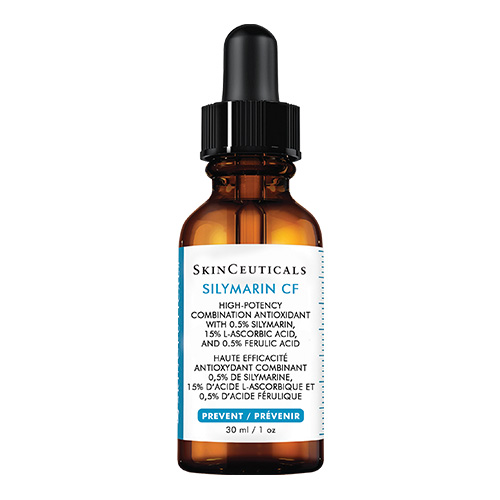
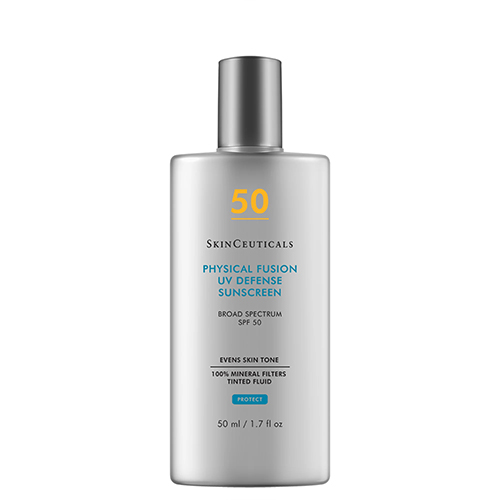
- Apply medical-grade SPF 50 daily to the treatment area for at least 4–6 weeks before your appointment.
- Wear loose, comfortable clothing to ensure ease after your session.
- Shower beforehand, as washing your hair may be restricted for a few days post-treatment.
- Shave all facial hair in the treatment area before your appointment.
How to Prepare
- You’ll receive a prescription for Valtrex during your consultation to help prevent possible side effects. Please collect it from your preferred pharmacy before your appointment.
- Begin taking Valtrex two days prior to your treatment as directed.
- If needed, you may take Tylenol before your session to help with minor discomfort.
What to Avoid
To promote safe and optimal results, please avoid the following before your treatment:
- Alcohol and smoking for 24 hours prior.
- Caffeine on the day of treatment.
- Aspirin and NSAIDs (e.g., Ibuprofen, Advil®, Motrin®, Aleve®), Fish Oil, Gingko Biloba, St. John’s Wort, and high doses of Vitamin E, unless prescribed by your physician.
- Neuromodulators (tox) for at least 2 weeks prior.
- Dermal fillers for at least 4 weeks prior.
- Sun exposure and tanning (including spray tans or self-tanners) for 4–6 weeks before treatment.
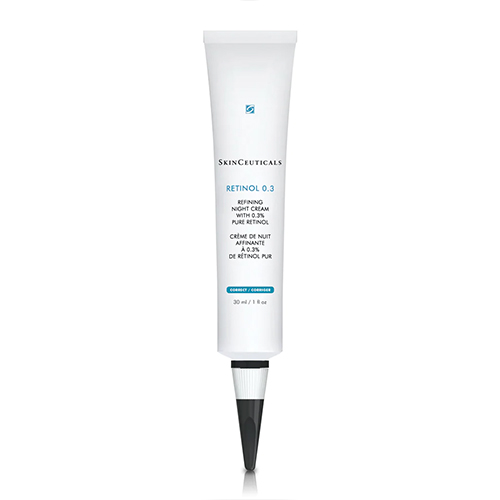
- Retinol or active exfoliants for 5–7 days prior.
- Oral isotretinoin (Accutane) must be discontinued for at least 6 months before treatment.
- Treatment cannot be performed if you are pregnant or breastfeeding, in accordance with our clinic policy.
Post-Treatment Care
After your treatment, your skin will rejuvenate and renew. For a flawless recovery and lasting results, diligently follow these aftercare tips.
Downtime
- Expect approximately 5 days of true downtime. It’s essential to remain indoors until your skin has fully healed.
- Pinpoint bleeding may occur within the first 24 hours; this is normal.
- Redness, swelling, and tenderness are common for the first few days.
- As healing progresses, you may notice dryness and light sloughing.
- Pigment will temporarily darken before it gradually lightens and evens out.
Post-Care Routine
- Begin vinegar soaks and gentle cleansing on Day 1 after treatment.
- After cleansing, apply a thin layer of Aquaphor to protect and soothe the skin.
- Vinegar soaks may be repeated throughout the day, up to five times daily.
- Continue cleansing with a gentle cleanser each morning and night.
- Reapply Aquaphor as often as needed to maintain hydration.
- On Day 4, you may introduce a light moisturizer recommended by your practitioner.
- Continue taking your Valtrex prescription as directed until the course is complete.
- You may use antihistamines to help manage swelling.
- Keep the treated area clean and hair tied back to prevent irritation.
What to Avoid
For best healing and safety, please avoid the following for the recommended timeframes:
- Sun exposure for 1 week.
- Hot tubs, saunas, steam rooms, and baths for 1 week.
- Strenuous exercise for 1 week.
- Makeup, lotions, and active skincare for 1 week.
- Shaving the treated area for 2 weeks post-treatment.
Follow-Up Care
- Contact the clinic immediately if you experience any blistering, cold sores, or pustules in the treated area.
- For best results, we recommend 1–2 sessions, depending on your skin’s response.
- Maintenance treatments every 6 to 12 months help sustain your glow and manage pigmentation over time.
Treatment Info
Number of Treatments
Typically 1–2 sessions, depending on skin condition and response
Visible Results
Notable improvement can be seen within 1–4 weeks following treatment
Duration of Results
Results may last between 3 and 12 months, with maintenance sessions recommended for long-term clarity.
Benefits of Treatment
- Diminishes stubborn pigmentation by precisely targeting melanin deep within the skin, promoting a clearer and more even complexion.
- Refines overall skin texture, helping to smooth roughness and reveal a soft, radiant glow.
- Encourages healthy skin renewal, stimulating collagen for improved tone and resilience over time.
- Boosts confidence and comfort, helping you enjoy naturally luminous skin that feels balanced, refreshed, and revitalized.
Conditions Treated
- Melasma — hormonally driven pigmentation commonly appearing on the cheeks, forehead, and upper lip.
- General pigmentation and uneven skin tone — including sun-induced or post-inflammatory discoloration that disrupts skin’s clarity and even tone.
Frequently Asked Questions
What is the difference between melasma and pigmentation?
+ Melasma, unlike general skin darkening from sun or inflammation, has a unique hormonal trigger. Often sparked by pregnancy, menopause, or specific medications, this condition thrives on hormonal shifts. Its sensitivity to light and heat demands expert care and precise laser treatments for safe, effective results.
Will this treatment permanently remove melasma?
+ Melasma, a persistent hormonal condition, can’t be completely erased. Yet, with regular laser treatments, top-tier skincare, and expert advice, its appearance can be significantly diminished. Many find lasting clarity and confidence through diligent care and sun protection.
How can I improve my results after treatment?
+ Achieve radiant results with consistent care. Use clinician-approved skincare to control pigmentation and boost barrier health. Follow your treatment instructions diligently and apply broad-spectrum SPF daily. Shield your skin from UV and heat to maintain a lasting glow and prevent recurrence.
Who is a good candidate for this treatment?
+ Experience a breakthrough treatment designed for stubborn, hormonally driven pigmentation that defies other methods. Our expert dermatologists craft personalized plans, considering your unique skin tone, history, and goals. Your comfort and stunning results are our top priorities.
PRODUCT RECOMMENDATIONS