Minimize Raised Scars and Restore Comfort with Expert Steroid Injection Treatment
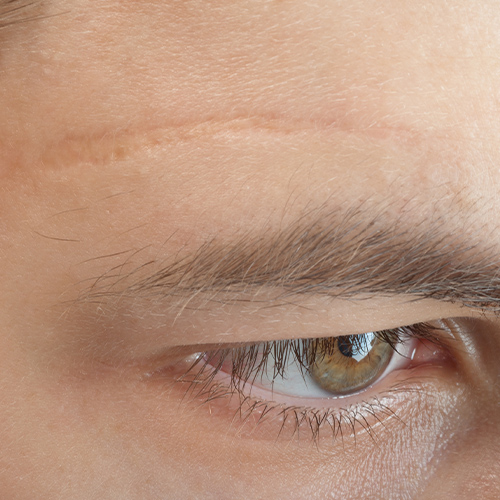
We know time heals all wounds, but what about the marks left behind? Scars are a part of the body’s natural healing process. Raised scars, also called hypertrophic or keloid scars, result from excessive collagen formation after any skin injury, such as acne, piercings, incisions, or burns. They can be found anywhere on the body, but most commonly occur on the back, chest, and upper arms. These types of scars may feel firm or itchy and can be aesthetically distressing, prompting many individuals to seek effective scar reduction and scar removal treatments like steroid injections. At SKIN Clinics, we proudly serve Calgary and surrounding areas with expert care designed to restore your skin’s natural balance and confidence.
Steroid Injections for Raised Marks: What They Do and What to Expect
Steroid injections are a medically recognized and highly effective option for treating raised scars, including hypertrophic and keloid scars. These scars form when the body produces too much collagen during the healing process, resulting in thickened, elevated tissue. By injecting a corticosteroid directly into the scar, we help break down excess collagen, gradually flattening and softening the area over several weeks.
Because steroids have strong anti-inflammatory properties, this treatment not only reduces the volume of skin flaws but also alleviates symptoms such as itching, redness, and discomfort. Most clients begin to notice visible improvements after their first session. For optimal results, a series of injections combined with regular medical assessment is typically recommended, with progress evaluated by our experienced dermatology team.
Pre-Treatment Guidelines
Before You Arrive
- Please ensure your Health History and Intake Form is completed before your appointment, either online or in person. If you’re unable to submit it ahead of time, we kindly ask that you arrive at least 15 minutes early to complete it in the clinic.
- To help you feel your best during treatment, we recommend eating a light meal or snack approximately 30 to 60 minutes beforehand. This can support comfort and maintain steady energy levels throughout your visit.
Preparing for Your Visit
- While not necessary, you may choose to take an over-the-counter pain reliever before your appointment for added comfort, especially if you’re sensitive to injections.
- Please ensure a minimum of 4 weeks has passed since your previous scar steroid injection to allow proper skin recovery and provide optimal treatment results.
What to Avoid
To support optimal healing and reduce the risk of irritation or complications, please avoid the following in the days leading up to your appointment:
- Direct sun exposure to the treatment area for at least 5 days before
- Waxing, shaving, or other hair removal methods in the treatment area within 5 days of your visit
- Any open wounds, including cuts, scrapes, burns, or active skin infections in the area being treated
Important: Skin flaws steroid injections are not recommended during pregnancy or while breastfeeding, which is in alignment with our commitment to your safety and well-being.
Post-Treatment Care
After Your Appointment
- Downtime is minimal, as the corticosteroid is precisely administered to the targeted scar area without affecting surrounding tissue.
- Mild redness, swelling, or tenderness at the injection site is common and typically subsides within a few hours.
- If the treated area is exposed to sunlight, apply a broad-spectrum SPF daily to protect the skin, minimize pigmentation changes, and support the healing process.
What to Avoid
To promote optimal healing and maintain your treatment results, please avoid the following:
- Applying makeup directly over the treated area for 12 to 24 hours, as this may introduce bacteria or cause irritation
- Scheduling any laser treatments on the injection site for 2 to 4 weeks post-procedure to prevent interference with the skin’s recovery process
Ongoing Treatment Plan
Depending on the type, size, and severity of your scar, a personalized treatment plan involving multiple sessions may be recommended. Most clients achieve their best results with a series of scar steroid injections spaced over a 2 to 6-month period, allowing the skin to respond gradually and effectively.
Treatment Info
Treatments Needed
Several sessions recommended
Visible Results In
Typically, within 1 to 6 months
Results Duration
Can be long-lasting or indefinite
Scar Injections That Flatten, Soften, and Target Hypertrophic or Keloid Scars
Depending on the type, size, location, and severity of your scar, your provider may recommend a personalized treatment plan involving multiple sessions. Most clients achieve optimal outcomes with a series of intralesional corticosteroid injections spaced over a 2 to 6-month period. This staged approach gives the skin time to remodel, reduce excess collagen, and soften the scar’s appearance while minimising inflammation and discomfort throughout the process.
Frequently Asked Questions
Will scar steroid injections affect my whole body?
+ Not at all. The dose is small and injected directly into the scar, so the medication remains localized. It does not circulate through your entire system.
When will I start to notice improvements?
+ After just one treatment, clients often notice their scars becoming less thick, red, or itchy. With 3 to 6 sessions, scars usually flatten significantly as they respond to the treatment.
When is the right time to begin treatment?
+ For optimal results, wait until it heals completely. This can take anywhere from 3 to 18 months, depending on the individual and the type of scar.
Are scar steroid injections painful?
+ You might feel a brief pinch during the injection, but the local anesthetic ensures minimal discomfort. Any mild soreness afterward typically vanishes swiftly.
When should I begin an anti-aging skincare routine?
+ Kickstart your skincare journey in your early 20s for radiant results. Targeted products boost cell turnover and collagen, keeping your skin youthful and vibrant.
How long before I see results from medical-grade skincare?
+ By week 12, with daily use of premium skincare products, clients often experience dramatic and enduring transformations.
Can scar steroid injections be used on all skin types?
+ Absolutely, steroid injections work wonders for every skin tone and type. Our expert team conducts a thorough consultation to guarantee your treatment is not only safe and effective but also uniquely tailored just for you.
Are there any side effects I should be aware of?
+ Side effects are usually mild and brief, like minor redness, tenderness, or swelling at the injection spot. Rarely, repeated treatments might lead to skin thinning or pigment changes. Your provider will thoroughly explain these risks before starting treatment.
Can this treatment be combined with other scar therapies?
+ Certainly! Steroid injections can be paired with laser therapy, silicone sheets, or microneedling for optimal results. Our dermatology team will craft a personalized treatment plan tailored to your unique scar and goals.
Is there a best time of year to get scar steroid injections?
+ Steroid injections are great year-round, but autumn and winter offer the perfect opportunity to start. Why? Because you can easily shield the treated area from harmful sun rays while enjoying your outdoor summer activities without worry.
Surprising Facts About Raised Scars and Steroid Injections
Fact | Insight |
|---|---|
Keloids can grow larger than the original wound | Unlike hypertrophic scars, keloids often extend beyond the initial injury and may continue to enlarge without treatment. |
Steroid injections have been used since the 1960s | These injections remain one of the most effective non-surgical treatments for flattening raised scars by reducing excess collagen and inflammation. |
Not all raised scars are permanent. | With early intervention and consistent care, many hypertrophic scars can soften, flatten, and fade significantly, even years after they’ve formed. |
Genetics can influence scar formation. | If keloids run in your family, you’re more likely to develop them after skin trauma, especially on areas like the chest, shoulders, and earlobes. |
PRODUCT RECOMMENDATIONS