Combo Treatments for Severe Acne Scars: Why One Treatment Isn't Enough
Severe acne scars are rarely a single problem, which is why one treatment alone often falls short. This guide explains why combining treatments like microneedling, chemical peels, and laser therapy may improve results for selected patients with more difficult scarring.
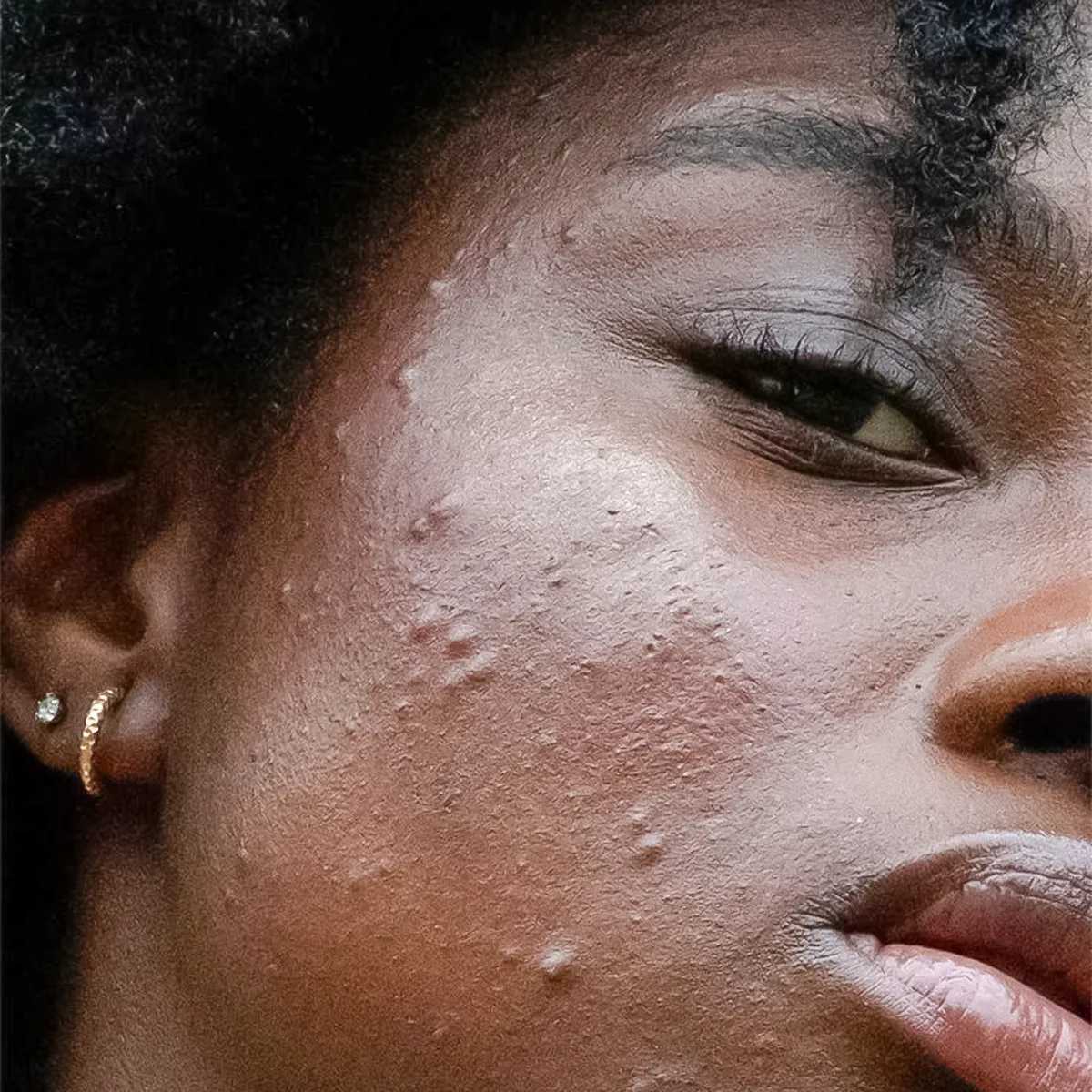
You tried the peel. It helped a little. You tried microneedling. It helped a little more. But the deep scars are still there, and you're starting to wonder if anything actually fixes severe acne scarring, or if you're just supposed to accept it.
Here's the honest answer: for more severe scarring, a single treatment may not be enough. Not because any one treatment failed you, but because severe acne scars are rarely one problem. They're usually several problems layered on top of each other, and each layer needs something different to address it.
Why One Treatment Often Falls Short on Severe Scarring
Acne scars aren't uniform. The same face can have shallow rolling scars, sharper boxcar scars, lingering discoloration, and areas of rough texture, all at once. Each of those is a different kind of damage. A treatment that's excellent at rebuilding collagen isn't necessarily built to fade discoloration. A treatment that resurfaces texture isn't necessarily built to reach a deep, narrow scar.
This is exactly why severe scarring frustrates people who've only tried one approach. They're judging the whole problem by how well a single tool solved part of it. Recent clinical research on acne scar treatment supports this directly: combination approaches that pair microneedling with additional therapies, such as chemical peels or laser resurfacing, have shown better outcomes than microneedling used on its own for more difficult scarring. [1] The American Academy of Dermatology also notes that dermatologists may combine microneedling with treatments such as chemical peels or platelet-rich plasma to improve acne-scar results.[3]
What “Combining Treatments” Actually Means
Combining treatments doesn't mean doing everything at once. It means sequencing different modalities, either in the same treatment plan or across a longer timeline, so each one addresses the part of the scarring it's best suited for.
At SKIN Clinics, this typically draws from a few core building blocks:
Microneedling to stimulate collagen and improve overall texture, tone, and firmness across the treated area.
Chemical peels (BioRePeel, Custom Pro Peel, or the stronger Jessner Peel) to address discoloration, congestion, and surface tone at a depth matched to the scarring and skin tolerance.
Custom Resurfacing to target superficial and deeper scar tissue and encourage collagen renewal for a smoother-looking appearance.
Scar Revision using fractional laser technology, with precisely controlled depth, for scarring that needs a more targeted, customizable approach across the face or body.
The provider builds a plan from these based on what your scars actually look like, not a generic package. (Explore our Microneedling treatment page)
Why Combining Treatments May Improve Results
A recent review of advances in acne scar treatment found that current research is actively moving toward combination approaches, integrating chemical peels, laser technologies, and other modalities specifically to improve outcomes. [1] Current practical guidance also emphasizes an individualized, algorithmic approach that targets the different components of atrophic acne scars rather than treating every scar the same way.[5]
A separate network meta-analysis of 68 randomized controlled trials on acne scar treatments found that laser combined with PRP ranked highest for one scar-severity measure, while other laser combinations ranked highly for selected outcomes. Microneedling ranked among the better-tolerated options for pain, although the authors cautioned that many ranking differences were not statistically conclusive. [2]
In plain terms: severity should drive the decision. Mild to moderate scarring may respond to one consistent treatment over time. Severe, mixed, or long-standing scarring is where a combination plan may be considered.
What a Combination Plan Might Look Like
Every plan is built around the individual, but a common structure might involve:
1. Assessment first. A provider identifies which scar types are present (rolling, boxcar, deep tissue) and which concerns are secondary, like redness or pigmentation.
2. Sequencing, not stacking. Treatments are typically spaced out, not layered into a single visit, so the skin can recover and respond between sessions.
3. Reassessment along the way. As scarring responds, the plan can shift. A patient might start with Custom Resurfacing for the deepest areas, then move into Microneedling or a peel series to refine overall tone and texture once the deeper work is done.
This is why an accurate consultation matters more for severe scarring. Treatment selection and sequencing can influence both results and recovery.
Is Combining Treatments More Uncomfortable or Riskier?
Not necessarily, when treatments are selected and spaced appropriately. Combination plans are usually spread across separate appointments rather than delivered all at once, which keeps downtime and discomfort manageable at each stage. The AAD stresses that a consultation is important before laser scar treatment because the plan should account for skin type, scar characteristics, overall health, medications, and expected results.[4]
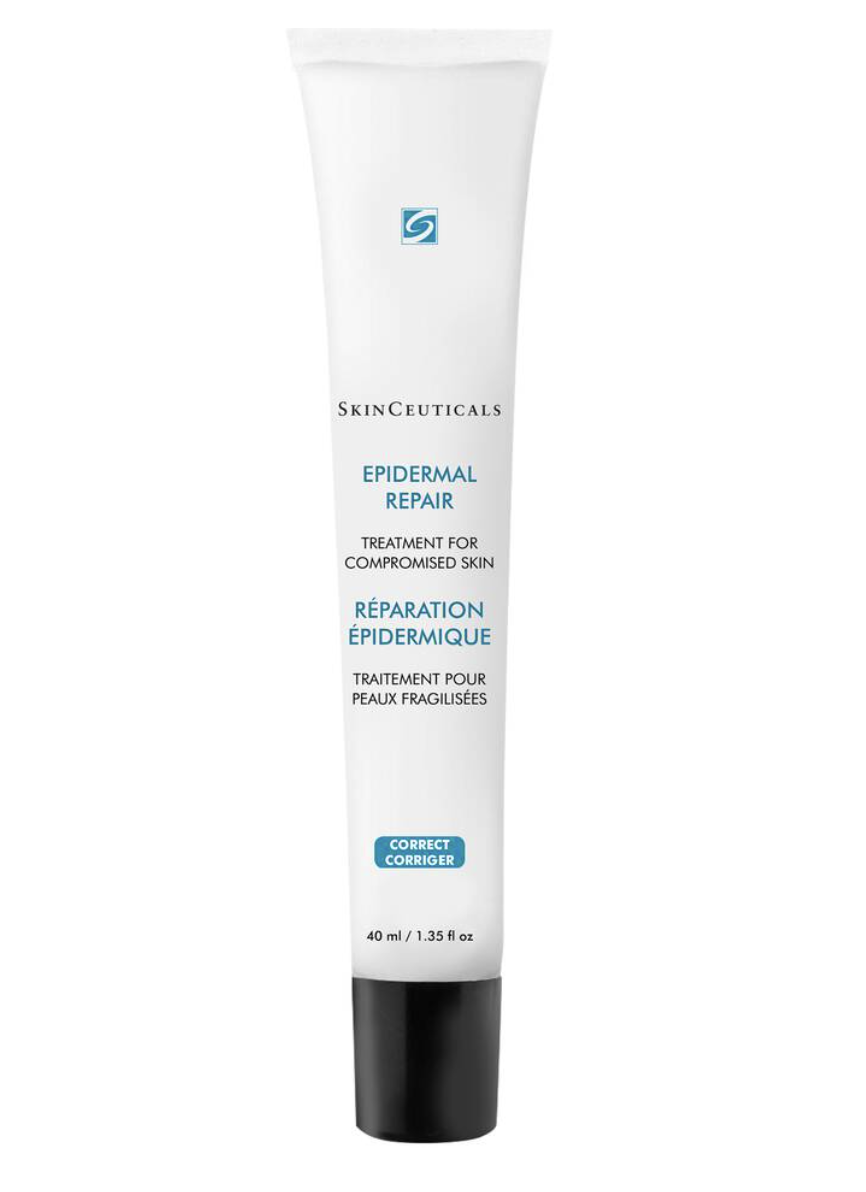
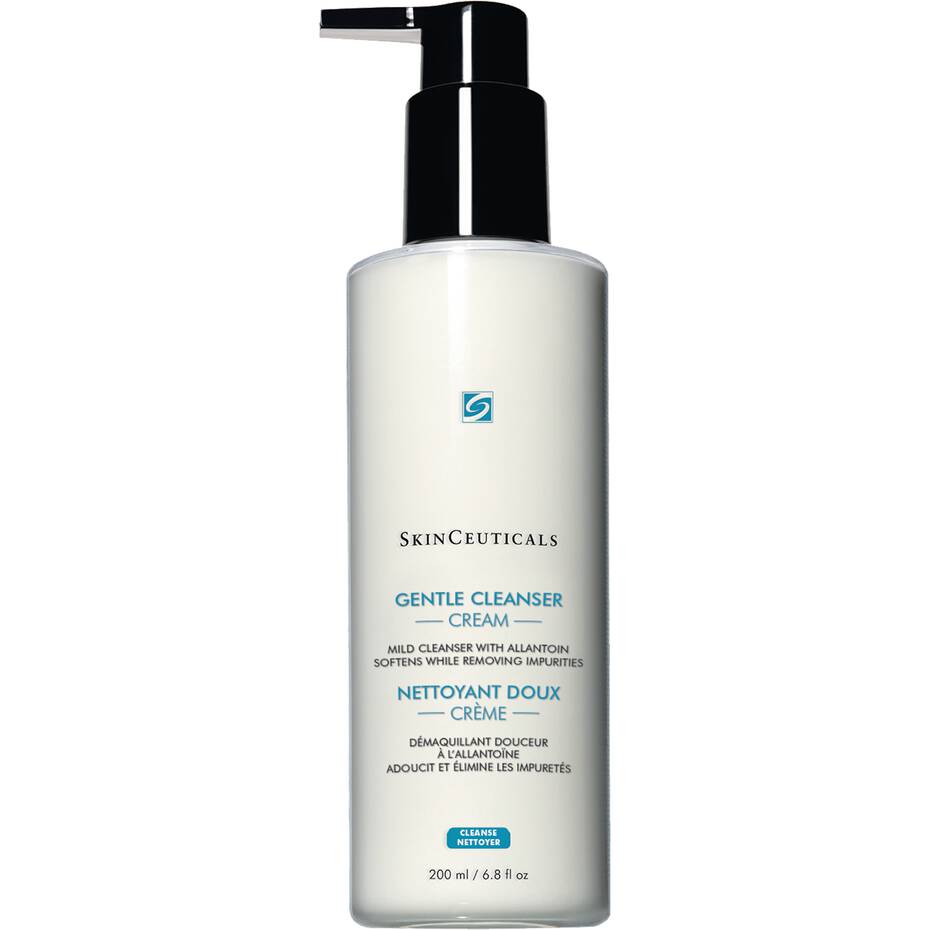
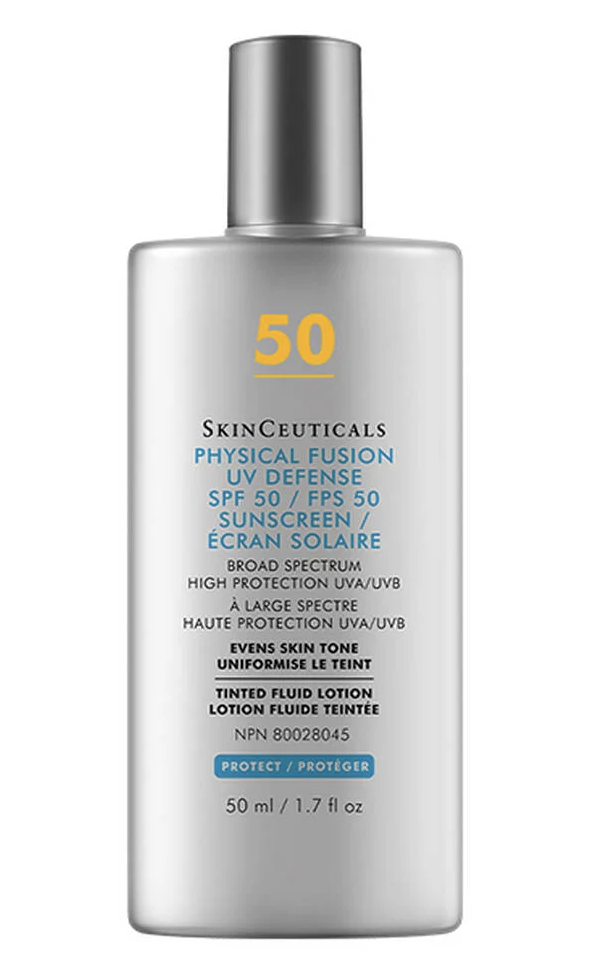
Between appointments, follow the aftercare recommended by the SKIN Clinics team. Depending on your treatment plan, this may include a Gentle Cleanser, Epidermal Repair, and daily broad-spectrum protection such as Physical Fusion UV Defense SPF 50.
Who Is a Good Candidate for a Combination Approach?
A combination approach tends to make the most sense if you:
Have more than one type of acne scarring present (texture, indentation, and discoloration together)
Have tried a single treatment and seen partial, but incomplete, improvement
Have scarring described as moderate to severe rather than mild
Are prepared for a longer-term plan rather than a single quick fix
A consultation is the best way to determine whether your scarring may benefit from one treatment or a combination, and in what order. Chemical peel strength and candidacy also require individualized assessment because deeper peels carry greater risks of prolonged healing and pigment changes, particularly in skin prone to post-inflammatory hyperpigmentation.[6]
Why Choose SKIN Clinics for Combination Acne Scar Treatment
SKIN Clinics is one of Canada's leading networks of medical and cosmetic dermatology clinics, with locations in Calgary, Winnipeg, Regina, Brandon, and Steinbach. Having Microneedling, multiple chemical peel options, Laser Acne Scar Treatment, and Scar Revision available within the network allows the SKIN Clinics team to build and adjust a personalized treatment plan. Book a consultation to discuss which options may be appropriate for your scars.
Quick Takeaways
Severe acne scarring is rarely one problem. It's usually several types of damage layered together.
A single treatment can improve part of the picture without resolving all of it.
Combining treatments means sequencing different modalities over time, not doing everything in one visit.
Research supports selected combination approaches for acne scars, but no single combination is proven best for every patient.
Mild to moderate scarring may respond to a single treatment; severe or mixed scarring may benefit from a combination plan.
Appropriate sequencing and recovery time can help keep downtime manageable when treatments are spaced across separate sessions.
A consultation is the right place to map out whether your scarring needs one treatment or several.
Clinical References
[1] Zhang M, Liu C, Zhang S, Chu R, Ren X. Advances in the Treatment of Acne Scars. Frontiers in Medicine, 2025;12:1643035. — https://pmc.ncbi.nlm.nih.gov/articles/PMC12425707/
[2] Wu B, Gao M, Zhang Y, Bai X. Optimal Treatment Options for Acne Scars in Patients With Historic Acne: A Systematic Review and Network Meta-Analysis. PeerJ, 2025;13:e19938. — https://pmc.ncbi.nlm.nih.gov/articles/PMC12515001/
[3] American Academy of Dermatology (AAD). “Acne scars: Consultation and treatment.” Updated December 8, 2023. — https://www.aad.org/public/diseases/acne/derm-treat/scars/treatment
[4] American Academy of Dermatology (AAD). “10 things to know before having laser treatment for your scar.” — https://www.aad.org/public/cosmetic/scars-stretch-marks/laser-treatment-scar
[5] Tahiliani S, et al. Practical Aspects of Acne Scar Management: ASAP 2024. Journal of Cutaneous and Aesthetic Surgery, 2024. — https://pmc.ncbi.nlm.nih.gov/articles/PMC11003649/
[6] Samargandy S, Raggio BS. Chemical Peels for Skin Resurfacing. StatPearls, NCBI Bookshelf. Updated 2023. — https://www.ncbi.nlm.nih.gov/books/NBK547752/
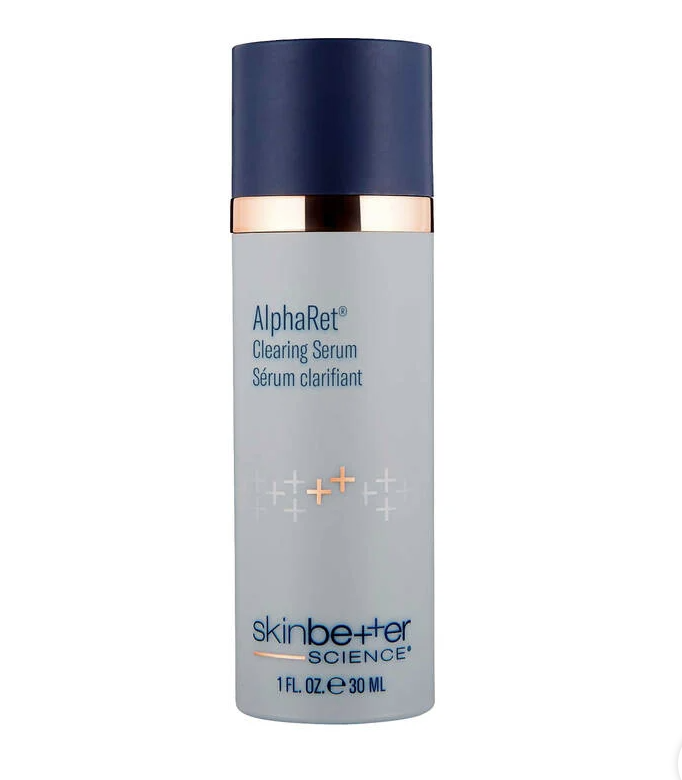
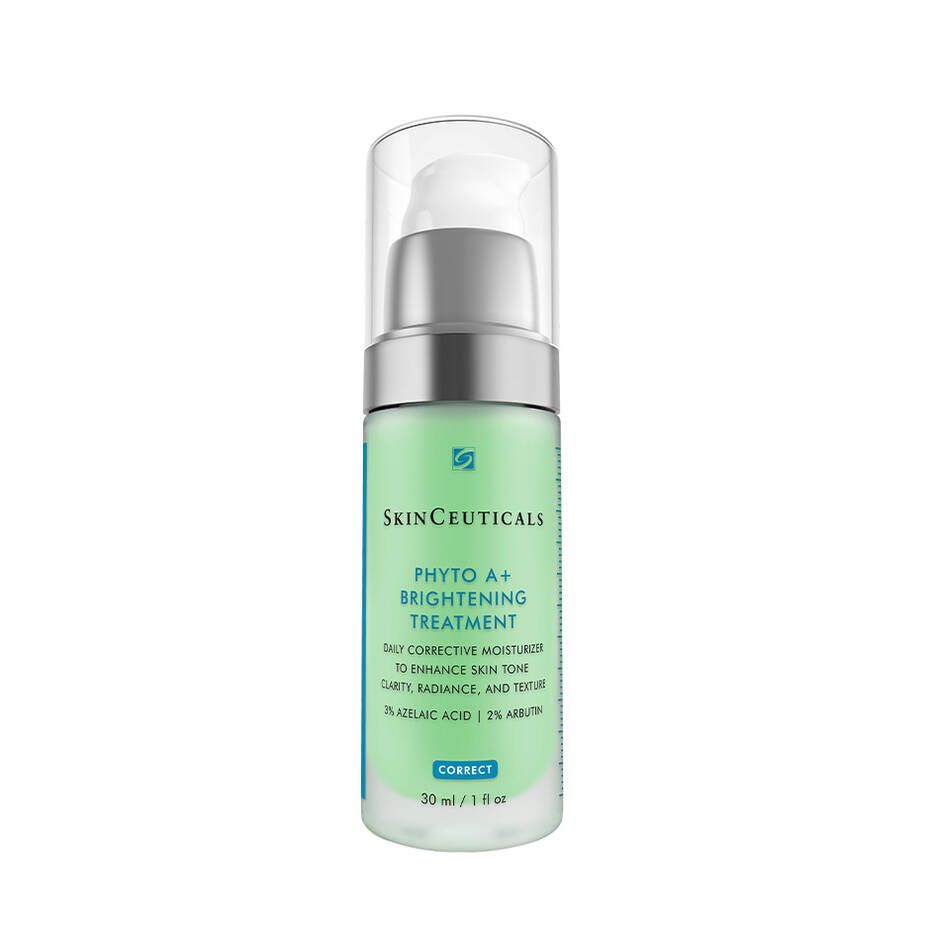
The skincare we recommend.
Personalised skin guidance
Book a complimentary consultation with a SKIN Clinics specialist to build a routine tailored to your goals.