Non-Surgical Facelift: Can Ultherapy, Filler and Laser Resurfacing Replace Surgery?
Non-surgical facelift treatments can produce a real, visible improvement, but they aren't a substitute for surgery. This guide breaks down what combining Ultherapy, filler, and laser resurfacing can realistically achieve, and how to know which approach actually fits your face.
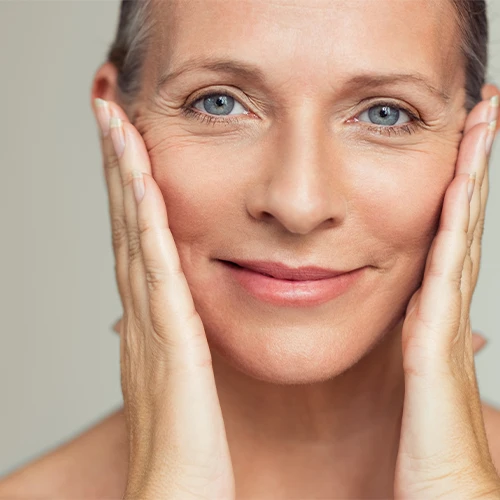
You're not ready for surgery, but you're also not looking for a subtle refresh. You want to know: can a combination of Ultherapy, filler, and laser resurfacing actually deliver a facelift-level result without going under the knife? The honest answer, from the people whose job it is to know, is more nuanced than either the marketing hype or the dismissive “no” you might expect.
The Direct Answer
The American Academy of Facial Plastic and Reconstructive Surgery is unambiguous on this point: there is no true non-surgical equivalent to a facelift. [1] Surgery mechanically repositions tissue and removes excess skin. Ultherapy, filler, and laser resurfacing cannot remove excess skin or mechanically reposition tissue in the same way. That's not a sales pitch against non-surgical options; it's just the honest starting point for this entire conversation.
What non-surgical treatments can do is meaningfully different, and for the right candidate, genuinely worthwhile.
What “Non-Surgical Facelift” Actually Means
The American Society of Plastic Surgeons describes a non-surgical facelift as a combination of minimally invasive treatments designed to rejuvenate and refresh appearance without incisions, general anesthesia, or the recovery time surgery requires. [2] It's not one treatment; it's a coordinated combination, typically drawing from:
Ultherapy, to use focused ultrasound energy to stimulate collagen and gradually lift and firm mild-to-moderate skin laxity. [4]
Dermal filler, to restore volume lost with age in the cheeks, temples, and jawline. Because fillers are medical procedures with potential risks, treatment should follow an individual assessment by a qualified health care provider. [5]
Laser resurfacing, to stimulate collagen and improve skin texture, fine lines, and firmness.
Medical-grade skincare, to support results between in-clinic visits. Daily broad-spectrum sunscreen can also help protect against premature skin aging; options available through SKIN Shop include Serum 10 AOX+ and Physical Fusion UV Defense SPF 50. [3]
Who Gets a Meaningful Result From This Approach
This matters more than any individual treatment choice: non-surgical approaches work best when volume loss and mild-to-moderate skin laxity are the primary concerns, not significant excess skin or tissue that has visibly descended. Many people in their late 30s through mid-50s, noticing flatter cheeks, early jowls, or a tired appearance, but with skin that still has reasonable elasticity, is typically the better candidate for this route.
Once tissue has genuinely descended, or there's excess skin along the jawline and neck that volume alone cannot correct, surgery becomes the treatment that actually addresses the problem. This is a case where an honest consultation matters more than a sales pitch. Adding filler to a face where the actual issue is excess skin doesn't produce a lifted look; it may produce an overfilled appearance instead.
What Combining Treatments Can Realistically Achieve
For the right candidate, combining Ultherapy, filler, and laser resurfacing can produce a genuinely visible improvement in facial contour, skin quality, and overall freshness. Results are temporary, with maintenance timing depending on the specific treatments used and the individual plan, and they build gradually rather than delivering a single dramatic transformation.
This is the trade-off, stated plainly: no incisions, minimal downtime, and a lower cost per session, in exchange for a result that's real but more subtle than surgery, and one that requires ongoing maintenance rather than a one-time procedure.
Building a Realistic Plan
A well-built non-surgical plan typically starts with an honest assessment of what's driving your specific signs of aging: is it lost volume, skin laxity, surface texture, or some combination? From there, treatments are layered in based on what will move the needle, not based on what's trending.
Volume loss: Filler in the cheeks, temples, or jawline. (See our Filler treatment page)
Mild-to-moderate skin laxity: Ultherapy to support gradual lifting and firming.
Texture, fine lines, and firmness: Laser resurfacing to stimulate collagen and renew the skin's surface.
Why Choose SKIN Clinics for Non-Surgical Facial Rejuvenation
SKIN Clinics is one of Canada's leading networks of medical and cosmetic dermatology clinics, with locations in Calgary, Winnipeg, Regina, Brandon, and Steinbach. Because SKIN Clinics offers Ultherapy, filler, and laser resurfacing under one roof, your provider can build a genuinely combined plan and, just as importantly, tell you honestly if your specific concerns are better addressed by a referral to a surgical colleague rather than stacking on more non-surgical treatment. Book a consultation at a SKIN Clinics location near you.
Quick Takeaways
There is no true non-surgical equivalent to a facelift; surgery mechanically repositions tissue in a way no injectable or laser can replicate.
Non-surgical approaches work best for volume loss and mild-to-moderate laxity, not significant excess skin or descended tissue.
A non-surgical facelift is a combination of treatments, typically Ultherapy, filler, and laser resurfacing.
Results are real but more subtle than surgery, and require ongoing maintenance rather than a one-time fix.
Adding filler to a face where excess skin is the real issue may produce an overfilled appearance rather than a lifted one.
An honest consultation should tell you if you're a better candidate for non-surgical treatment or a surgical referral.
The right non-surgical plan is built around what's actually driving your aging: volume, laxity, or surface-level skin concerns.
Clinical References
[1] American Academy of Facial Plastic and Reconstructive Surgery. Facelift: Overview. — https://www.aafprs.org/Consumers/Procedures/FacialRejuvenation/Facelift/A/FR5.aspx
[2] American Society of Plastic Surgeons. What Is a Nonsurgical Facelift? — https://www.plasticsurgery.org/news/blog/what-is-a-nonsurgical-facelift
[3] Mayo Clinic Press. The Best Ways to Prevent Wrinkles. — https://mcpress.mayoclinic.org/healthy-aging/the-best-ways-to-prevent-wrinkles/
[4] Contini et al. A Systematic Review of the Efficacy of Microfocused Ultrasound for Facial Skin Tightening. — https://pmc.ncbi.nlm.nih.gov/articles/PMC9861614/
[5] U.S. Food and Drug Administration. Dermal Fillers (Soft Tissue Fillers). — https://www.fda.gov/medical-devices/aesthetic-cosmetic-devices/dermal-fillers-soft-tissue-fillers
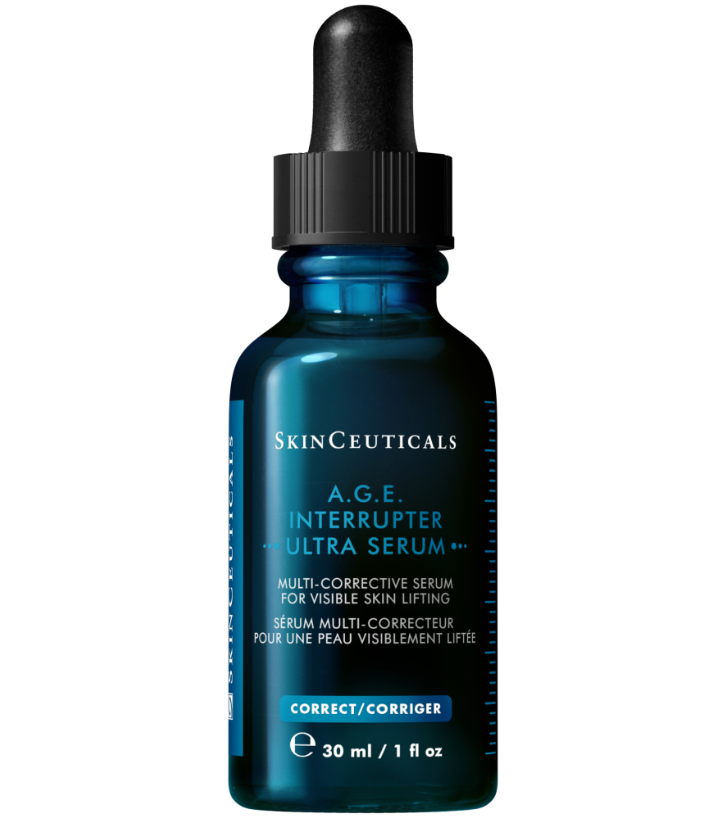
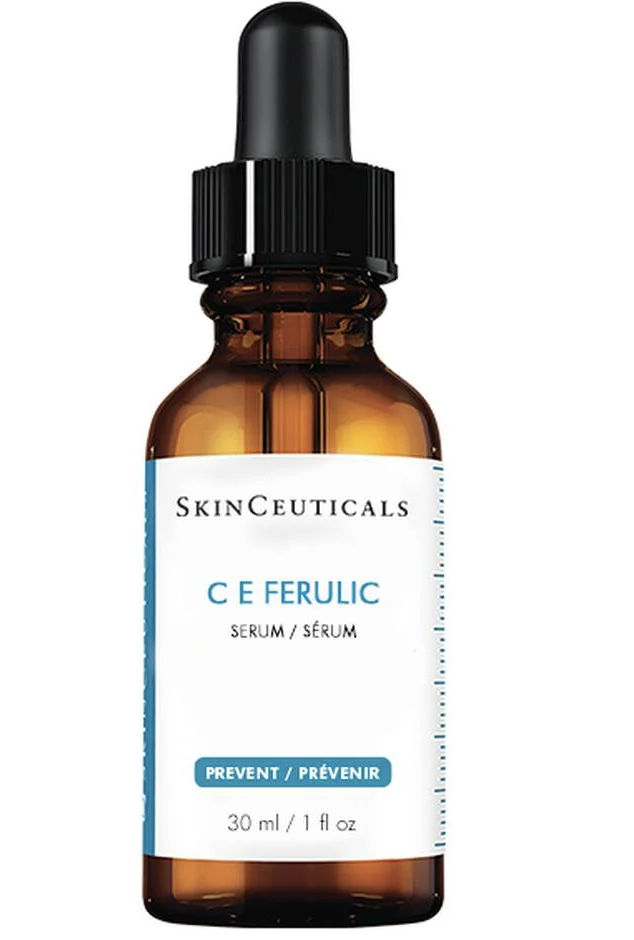
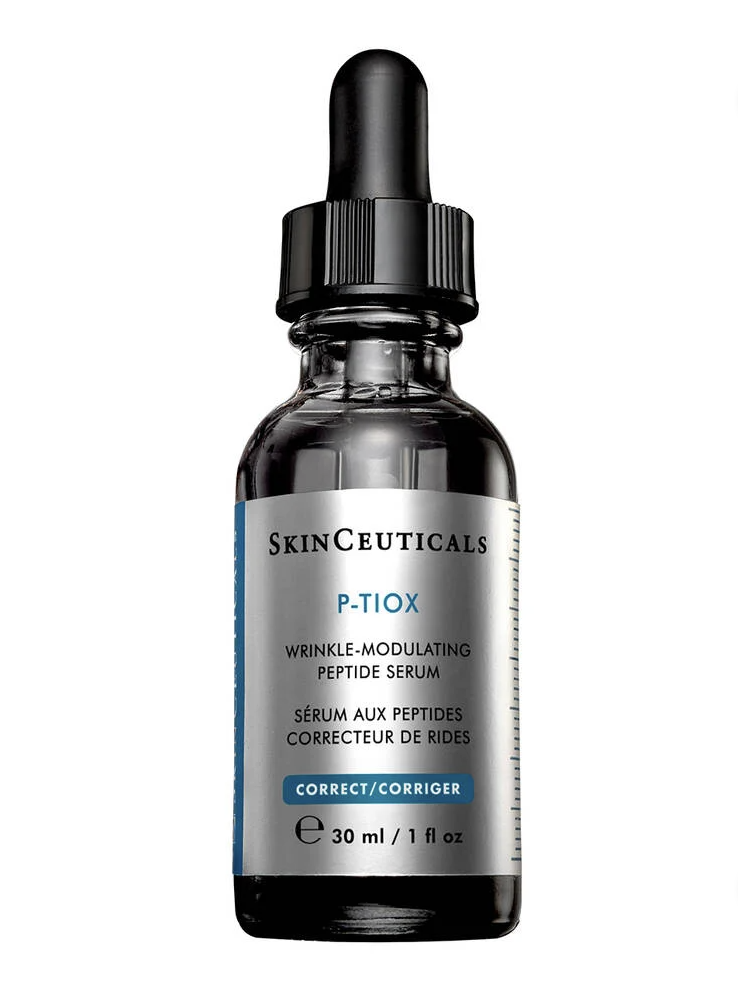
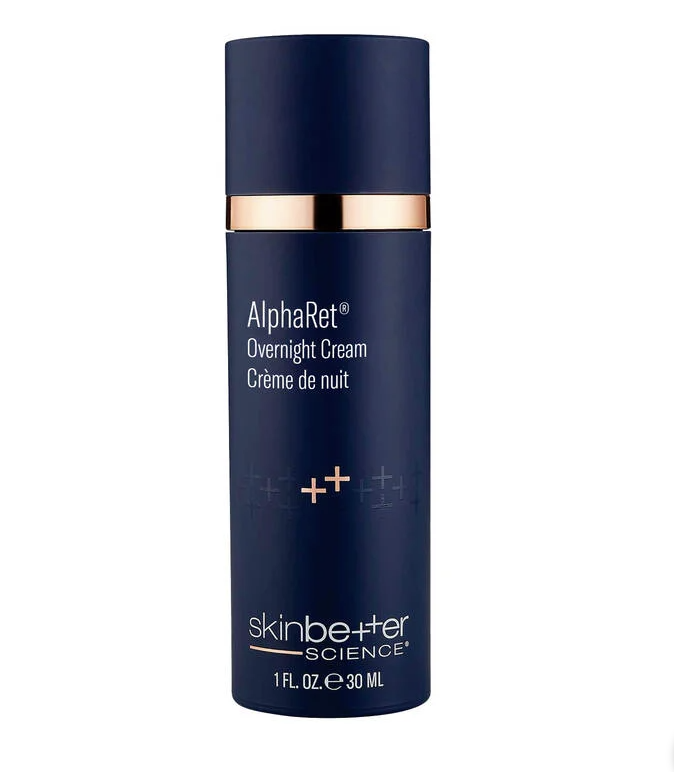
The skincare we recommend.
Personalised skin guidance
Book a complimentary consultation with a SKIN Clinics specialist to build a routine tailored to your goals.