Chemical Peels for Acne Scars: Which Strength Is Right for You?
Chemical peels for acne scars come in different strengths, each suited to a different depth of scarring and skin tolerance. This guide breaks down superficial, customized, and medium-depth peel options so you can choose the right strength with confidence.

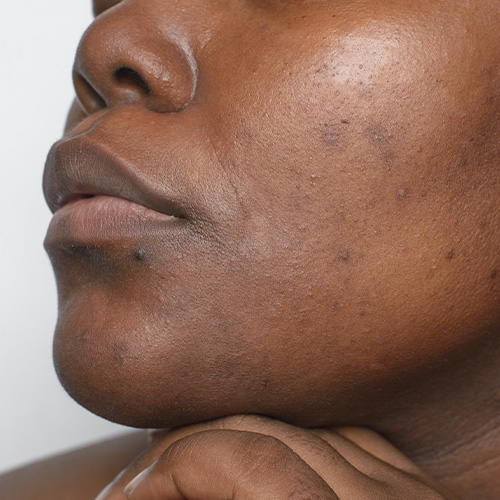
You've probably scrolled through peel options before and landed on the same wall of confusing names. Glycolic. Salicylic. TCA. Jessner. Everyone claims to be the answer for acne scars, and none of them explain which one is actually right for your skin.
Here's the part most people don't realize: chemical peels aren't one treatment. They're a spectrum. The strength of the peel changes what it can and can't do, and picking the wrong one either wastes your time or your skin's tolerance. This guide breaks down what each strength level actually does for acne scars, so you can walk into a consultation already knowing what to ask for.
Why Strength Is the Whole Conversation
Acne scars sit at different depths. Some are shallow, textural, more about tone and roughness than actual indentation. Others are deeper, structural dips where the skin lost real volume during healing. A peel works by controlled exfoliation, removing damaged outer layers so fresher skin can surface underneath. How deep that exfoliation goes depends entirely on the acid used, its concentration, and how it's layered.
This is why “which peel is best” doesn't have one answer. Chemical peels are commonly classified into three tiers based on how far they penetrate: superficial peels affect the epidermis, medium-depth peels reach into the papillary dermis, and deep peels penetrate further still. The right choice depends on your specific scarring, not a general reputation the peel has online. [4][5] The American Academy of Dermatology also notes that chemical peels range from mild to strong, and the appropriate strength depends on the individual patient's scars, skin, and treatment needs.[2]
The Three Strength Categories, Explained
Superficial and Low-Downtime Peels
These peels or low-downtime formulations focus on surface renewal, helping to decongest pores, brighten dull tone, and improve mild textural irregularities. They are not designed to reshape deep, indented scars, but they may be a suitable starting point for people newer to peels or with more reactive skin.
At SKIN Clinics, this level is represented by BioRePeel, a low-downtime peel used to support smoother texture, clearer-looking skin, and a brighter tone. Your provider will recommend the number and spacing of sessions based on your skin, tolerance, and treatment goals.
Customized, Mid-Strength Peels
This tier sits between a gentle introductory peel and a more intensive resurfacing treatment. It's built to be adjusted layer by layer, based on your skin's tolerance and the specific concerns you're treating, whether that's acne, pigmentation, texture, or early aging.
SKIN Clinics offers this level through the Custom Pro Peel, which is tailored during each visit and is generally less irritating than a traditional peel. Like the Glow Peel, a series of 3 to 6 sessions spaced 4 to 6 weeks apart is typically recommended, with maintenance sessions afterward to sustain results. (Explore our Custom Pro Peel treatment page)
Stronger, Medium-Depth Peels
SKIN Clinics offers this level through the Custom Pro Peel, which is tailored during each visit and is generally less irritating than a traditional peel. A series may be recommended, with maintenance based on your provider’s assessment and your skin’s response.
Stronger, Medium-Depth Peels
This is where peels begin to target more persistent pigmentation and textural concerns associated with acne. Medium-depth and targeted peel techniques penetrate further than superficial treatments, so treatment selection, preparation, and aftercare require greater caution.
At SKIN Clinics, stronger options include the Jessner Peel and TCA Peel. The Jessner Peel combines lactic acid, salicylic acid, and resorcinol to address stubborn pigmentation and uneven texture. The TCA Peel targets pigmentation and texture, while the targeted TCA CROSS technique may be used for selected ice-pick and boxcar scars. Your provider will determine which option is appropriate for your skin and scar type.[4][5]
How Peel Strength Maps to Scar Type
Not every acne scar responds to a peel the same way, and being upfront about this matters more than making every peel sound like a fix for everything.
Post-acne redness, dark marks, and rough texture: These respond well to consistent, lighter treatment over a series of sessions with options such as BioRePeel or Custom Pro Peel.
Shallow, uneven texture with dullness or congestion: A Custom Pro Peel tailored to your skin’s tolerance may address these concerns while minimizing irritation.
Deeper, more stubborn discoloration and textural scarring from acne: A stronger option such as the Jessner Peel or TCA Peel may be considered following a professional assessment.
Peels are not generally the strongest option for deep, sharply indented scars. For those concerns, your provider may recommend Microneedling, Custom Resurfacing, or a targeted technique such as TCA CROSS, either alone or as part of a broader treatment plan.[2][4][5]
What to Expect Across a Peel Series
Regardless of strength, chemical peels work progressively. A single session may soften some texture and tone, but improvement generally builds across a treatment series. A split-face clinical comparison of a medium-strength glycolic acid peel and a stronger trichloroacetic acid (TCA) peel for atrophic acne scars found the TCA peel effective and well tolerated for mild-to-moderate scarring, while glycolic acid was a reasonable alternative for patients seeking less downtime or unable to tolerate the stronger acid.[1]
Downtime scales with strength. Lighter peels typically involve minor redness or dryness during the first several days. Stronger peels involve more visible peeling and a longer recovery window, with skin needing time to shed and rebuild between sessions. Recovery and aftercare vary with peel depth; deeper peels generally require a longer healing period and closer follow-up than lighter peels.[3]
Is a Chemical Peel Painful?
Most peels are described as a warm, tingling sensation during application rather than pain. Stronger peels can feel more intense in the moment, but the sensation is brief and manageable for most people. Downtime and sensitivity after treatment vary by strength, which is part of why matching the right peel to your comfort level matters.
Who Should Be Cautious With Chemical Peels?
Chemical peels aren't automatically right for every skin type or situation. Pregnancy, breastfeeding, active cold sores, open wounds, sunburn, excessive skin sensitivity, and dermatitis in the treatment area are all reasons a peel may not be appropriate. Recent use of oral isotretinoin is also a factor a provider needs to know about before recommending a peel. A consultation is the right place to confirm which strength, if any, is suitable for your skin. Before treatment, the clinician should also review medication use, history of cold sores, tendency to scar, and the possibility of pigment changes.[3][4]
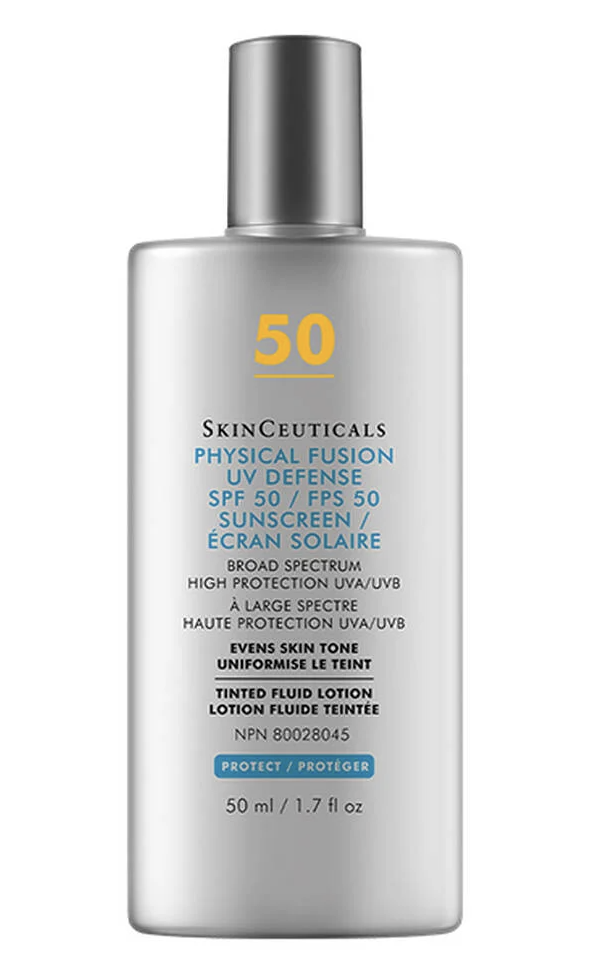
For homecare before or after a peel, follow the recommendations provided by the SKIN Clinics team. Depending on your treatment plan, options may include a Gentle Cleanser, Epidermal Repair, and a broad-spectrum mineral sunscreen such as Physical Fusion UV Defense SPF 50.
Why “Stronger” Isn't Always “Better”
It's tempting to assume the strongest peel gets the fastest results. In practice, a more intensive peel is not automatically the right starting point, especially on skin that hasn't been prepped or conditioned for it. SKIN Clinics may begin with a lighter peel and adjust treatment strength over time based on skin tolerance and response.
This staged approach can help reduce excessive irritation and the risk of post-inflammatory pigmentation. Matching peel strength to skin tolerance, scar type, and treatment goals supports a safer, more personalized plan. Peel selection should account for skin type and the risk of pigment changes, with greater caution needed when using deeper peels or treating skin that is more prone to post-inflammatory hyperpigmentation.[4][5]
Why Choose SKIN Clinics for Chemical Peels
SKIN Clinics is one of Canada’s leading networks of medical and cosmetic dermatology clinics, with locations in Calgary, Winnipeg, Regina, Brandon and Steinbach. Offering several peel options allows your provider to begin conservatively and adjust the treatment plan according to your skin’s tolerance, response, and goals.
If acne scars are part of a broader concern, from active breakouts to deeper textural scarring, your provider can also discuss complementary options such as Microneedling or Custom Resurfacing as part of your overall plan. Book a consultation to discuss your options.
Quick Takeaways
Chemical peels for acne scars aren't one treatment. Strength determines what a peel can realistically improve.
Low-downtime options such as BioRePeel may help improve tone, texture, and mild congestion.
Custom Pro Peel is a mid-strength, tailored option for a range of concerns including acne and early pigmentation.
Stronger options include the Jessner Peel and TCA Peel; targeted TCA CROSS may be considered for selected ice-pick and boxcar scars.
Deep, sharply indented scars may require treatments such as Microneedling or Custom Resurfacing rather than peels alone.
Results build across a series of sessions, and downtime increases with peel strength.
A consultation is the right way to confirm which strength matches your skin and your scarring.
Clinical References
[1] Manjhi M, Sagar V, Yadav P, Dabas G, Gupta A, Pratap P. A Comparative Study of 70% Glycolic Acid and 30% Trichloroacetic Acid Peel in the Treatment of Facial Atrophic Acne Scars: A Split-Face Study. Journal of Cutaneous and Aesthetic Surgery, 2024;17(3):227-233. — https://pmc.ncbi.nlm.nih.gov/articles/PMC11497560/
[2] American Academy of Dermatology (AAD). “Acne scars: Consultation and treatment.” Updated December 8, 2023. — https://www.aad.org/public/diseases/acne/derm-treat/scars/treatment
[3] American Academy of Dermatology (AAD). “Chemical peels: FAQs.” — https://www.aad.org/public/cosmetic/younger-looking/chemical-peels-faqs
[4] Samargandy S, Raggio BS. “Chemical Peels for Skin Resurfacing.” StatPearls, NCBI Bookshelf. Updated 2025. — https://www.ncbi.nlm.nih.gov/books/NBK547752/
[5] Soleymani T, Lanoue J, Rahman Z. “A Practical Approach to Chemical Peels: A Review of Fundamentals and Step-by-Step Algorithmic Protocol for Treatment.” Journal of Clinical and Aesthetic Dermatology, 2018;11(8):21–28. — https://pmc.ncbi.nlm.nih.gov/articles/PMC6122508/
The skincare we recommend.
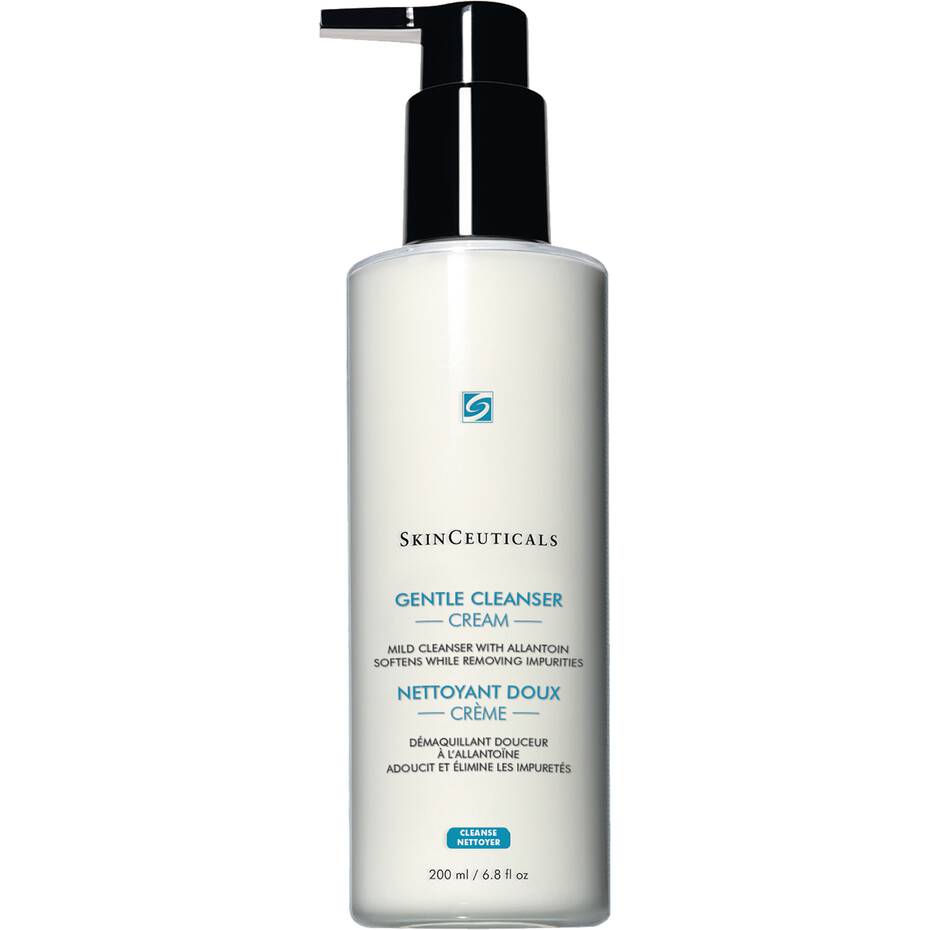
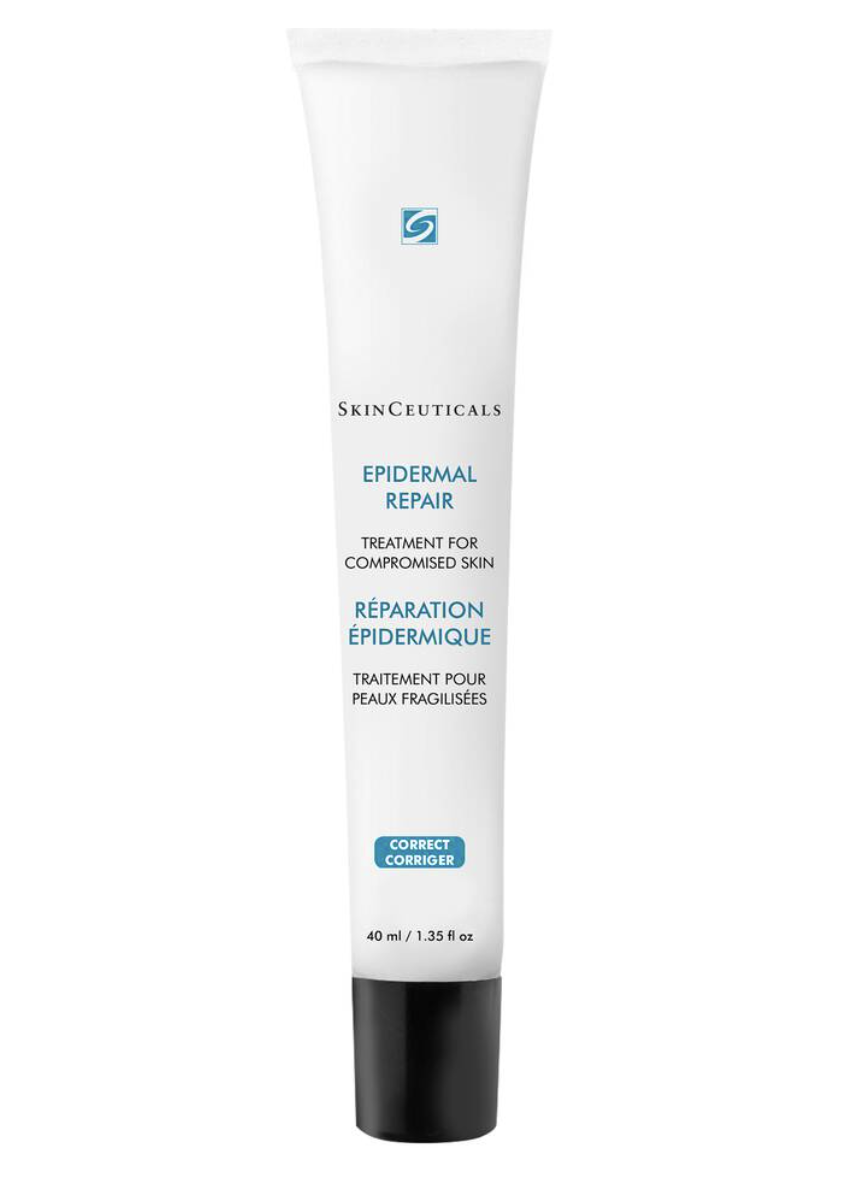
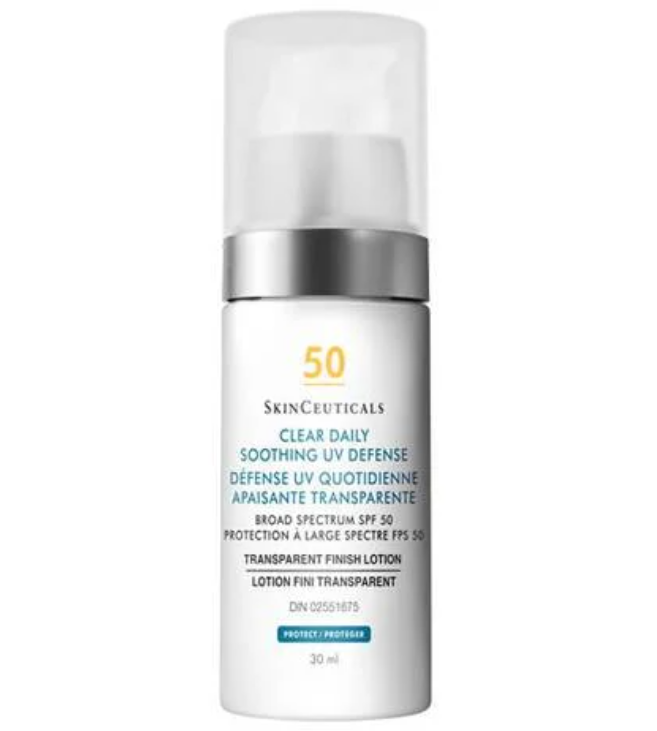
Personalised skin guidance
Book a complimentary consultation with a SKIN Clinics specialist to build a routine tailored to your goals.