Why You Get Melasma: Hormones, Sun, and Genetics Explained
Melasma is rarely the result of a single cause. This guide breaks down the genetic, hormonal, and sun or heat-related triggers behind melasma, what the research says about each, and why an accurate understanding of your triggers matters more than any single treatment.

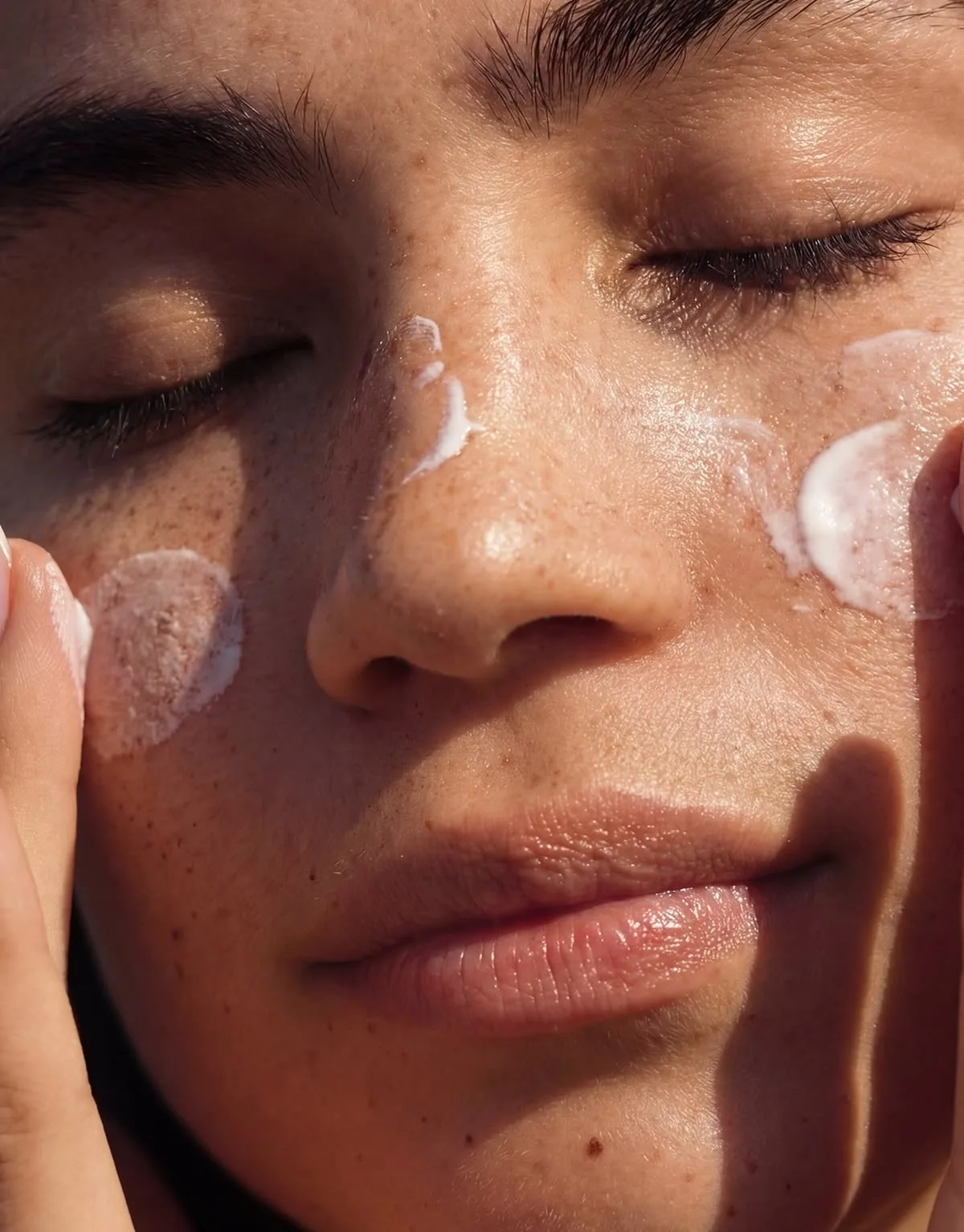
You didn't do anything different. No new sun exposure, no new skincare, nothing you can point to. And yet these symmetrical brown patches showed up on your cheeks or forehead and haven't budged since. If your first thought was “what did I do wrong,” the honest answer is probably nothing. Melasma isn't caused by a single bad habit. It's the result of several things happening at once, and understanding which ones apply to you is the actual key to managing it.
Melasma Is Rarely Just One Cause
Many forms of hyperpigmentation have a recognizable primary trigger. Age spots are strongly associated with cumulative sun exposure, while post-acne marks come from inflammation. Melasma is different: it's typically the product of genetic susceptibility, hormonal shifts, and UV or heat exposure acting together, which is part of why it's one of the more frustrating pigmentation conditions to pin down and treat. [1]
Genetics: The Predisposition You're Born With
Family history plays a bigger role in melasma than most people realize. The American Academy of Dermatology notes that roughly 33 to 50 percent of people with melasma report a family member with the same condition, and that identical twins are commonly affected together. [2] A separate global survey found that of women with melasma who had a positive family history, 97 percent had a first-degree relative, usually a parent, with the condition as well. [1]
This genetic piece explains something that confuses a lot of patients: two people can have nearly identical sun exposure and lifestyle, and only one develops melasma. The skin's underlying sensitivity to hormonal and UV triggers appears to be at least partly inherited.
Hormones: Why Pregnancy, Birth Control, and Midlife Matter
Melasma is sometimes called the “mask of pregnancy” for a reason. Harvard Health notes that hormonal changes associated with pregnancy, hormonal birth control, or hormone therapy can contribute to melasma. [3] This is also why melasma is not limited to pregnancy. It may appear or worsen at other hormonally active points in life, although individual triggers vary.
Some studies have reported an association between melasma and thyroid disorders, but the relationship is not fully understood and thyroid treatment should not be presented as a direct treatment for melasma. [4][6] This is one reason pigmentation concerns may need to be considered alongside overall health rather than skincare alone.
Sun and Heat: The Trigger That Makes Everything Worse
For many people with a genetic or hormonal susceptibility, light exposure is an important factor that can trigger or worsen visible melasma. Ultraviolet radiation is well established, and visible light can also contribute, particularly in deeper skin tones. [3][5] Heat is frequently reported as a flare factor, although the evidence remains more limited than it is for ultraviolet and visible light.
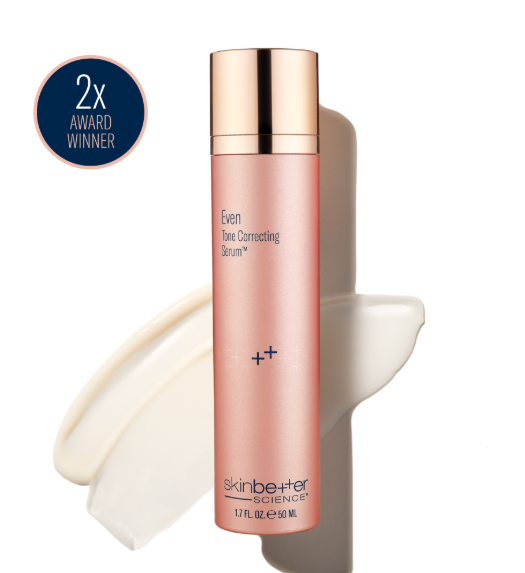
This is why melasma often becomes more noticeable during sunnier months or after substantial sun exposure. It also explains why ordinary UV protection may not address every trigger. For melasma, experts often recommend high-SPF broad-spectrum protection together with visible-light protection, such as a tinted sunscreen containing iron oxides. [5] A consistent routine may include a medical-grade pigment inhibitor, such as Even Intensive Skin Tone Correcting Serum, together with broad-spectrum SPF 50 every day.
How These Three Factors Interact
Recent research into melasma’s underlying biology describes it as a multifactorial condition in which genetic susceptibility, ultraviolet and visible light, hormonal influences, and changes within the skin interact to increase pigment production. [1][6] In practical terms, melasma is not something that appears because of one mistake. Different combinations of susceptibility and triggers may be involved from one person to another.
This is also why melasma is notoriously difficult to treat with a single approach, and why it tends to recur even after successful treatment if the underlying triggers, particularly sun exposure, aren't consistently managed.
What This Means for Treatment
Because melasma has multiple contributing causes, effective treatment tends to work on more than one front at once. At SKIN Clinics, Laser Melasma Treatment may be combined with medical-grade skincare and careful photoprotection to help manage pigment between sessions. The number and timing of treatments are personalized by the SKIN Clinics team based on the condition and response.
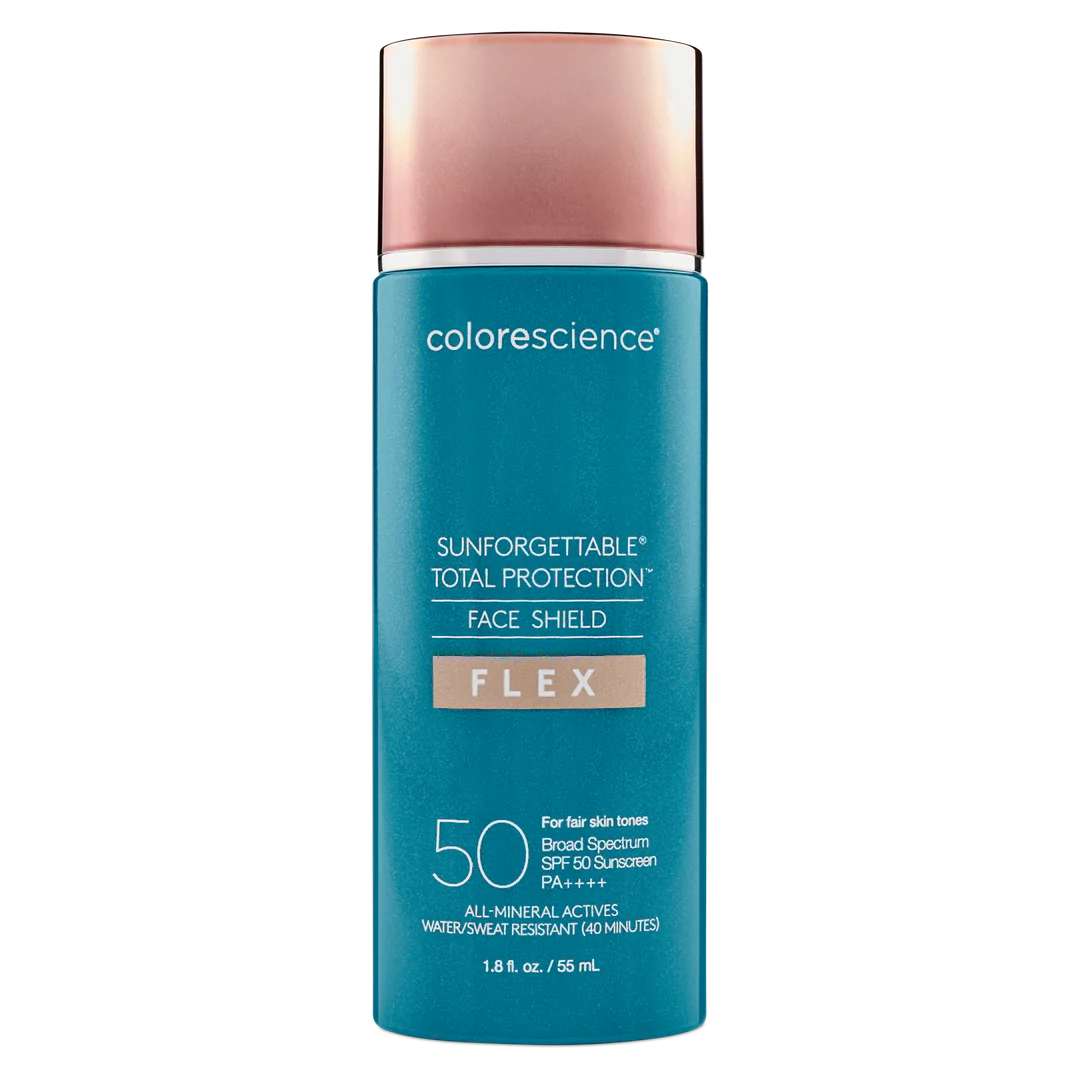
Daily photoprotection is a core part of a melasma plan. Health Canada recommends broad-spectrum SPF 30 or higher and reapplication during ongoing sun exposure, while melasma-specific guidance also emphasizes visible-light protection. [5] A tinted mineral sunscreen such as Colorescience Sunforgettable Face Shield Flex SPF 50 may help support that routine.
Does Melasma Ever Go Away on Its Own?
Sometimes, but not reliably. Pregnancy-related melasma can fade in the months after delivery as hormone levels normalize, though this isn't guaranteed for everyone. Melasma associated with ongoing hormonal influences or genetic susceptibility can be more persistent and may require active, long-term management rather than waiting it out. [6]
Who Is Most Likely to Develop Melasma?
You may be at higher risk if you:
Have a family history of melasma
Are a woman between roughly 20 and 40 years of age
Have a medium to deeper skin tone
Are pregnant, recently started or stopped hormonal birth control, or are going through a hormonally active life stage
May have a thyroid condition (an association has been reported, but causation is not established)
Have frequent or intense sun exposure
Why Choose SKIN Clinics for Melasma
SKIN Clinics is one of Canada's leading networks of medical and cosmetic dermatology clinics, with locations in Calgary, Winnipeg, Regina, Brandon, and Steinbach. Even in Manitoba locations like Brandon and Steinbach, where winters are long, intense summer sun still acts as the trigger that brings underlying melasma to the surface. Because melasma calls for a different approach than sun-driven pigmentation like age spots, your provider takes the time to confirm what's actually driving your pigmentation before recommending a plan. Book a consultation at a SKIN Clinics location near you.
Quick Takeaways
Melasma is rarely caused by one thing. Genetics, hormonal influences, and ultraviolet or visible light exposure may interact.
Family history matters: 33 to 50 percent of people with melasma report a relative with the condition.
Pregnancy, hormonal medications, and other hormonal influences can contribute; thyroid disorders have also been associated with melasma, although the relationship remains under study.
Ultraviolet and visible light can trigger or worsen melasma in susceptible skin; heat may also be reported as a flare factor.
Melasma photoprotection should address ultraviolet exposure and, where appropriate, visible light with a tinted sunscreen containing iron oxides. [5]
Melasma can recur, especially without consistent management, so long-term care may include a medical-grade pigment inhibitor, daily broad-spectrum SPF, and maintenance treatment when recommended.
A consultation helps the SKIN Clinics team assess likely contributing factors before treatment begins.
Clinical References
[1] Liu W, Chen Q, Xia Y. New Mechanistic Insights of Melasma. Clinical, Cosmetic and Investigational Dermatology, 2023;16:429-442. — https://pmc.ncbi.nlm.nih.gov/articles/PMC9936885/
[2] American Academy of Dermatology. Melasma: Causes. — https://www.aad.org/public/diseases/a-z/melasma-causes
[3] Harvard Health Publishing. Unmasking the Causes and Treatments of Melasma. — https://www.health.harvard.edu/womens-health/unmasking-the-causes-and-treatments-of-melasma
[4] Cleveland Clinic. Melasma: Treatment, Causes and Prevention. — https://my.clevelandclinic.org/health/diseases/21454-melasma
[5] Morgado-Carrasco D, Granger C, Trullàs C, et al. Melasma: The Need for Tailored Photoprotection to Improve Clinical Outcomes. Photodermatology, Photoimmunology & Photomedicine. 2022;38(6):515-521. — https://pmc.ncbi.nlm.nih.gov/articles/PMC9790748/
[6] Ogbechie-Godec OA, Elbuluk N. Melasma. StatPearls. Updated January 31, 2026. — https://www.ncbi.nlm.nih.gov/books/NBK459271/
The skincare we recommend.
Personalised skin guidance
Book a complimentary consultation with a SKIN Clinics specialist to build a routine tailored to your goals.