Sun Damage and Dark Spots: Your Complete Guide to Hyperpigmentation
Hyperpigmentation covers three distinct conditions: sun spots, melasma, and post-inflammatory hyperpigmentation, each with different causes and treatment needs. This complete guide breaks down how to tell them apart, why skin tone changes the treatment conversation, and what actually works for each.

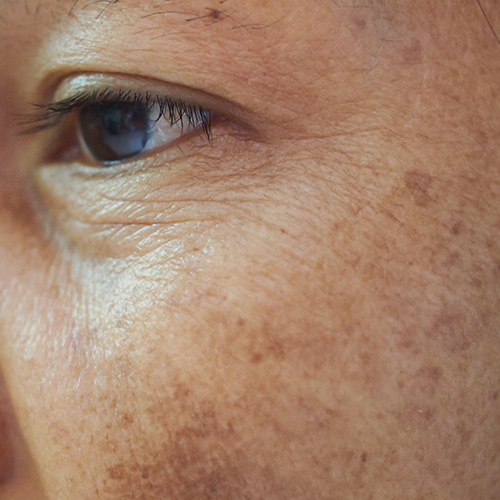
“Hyperpigmentation” is the word dermatologists use, but it's really just the umbrella term for every dark spot, patch, or mark you didn't ask for. Some came from the sun. Some came from an old breakout. Some showed up for reasons that have nothing to do with either. If you've ever tried one dark-spot cream and had it do nothing for the mark you actually cared about, there's a good reason: not all hyperpigmentation is the same condition, and treating them all the same way rarely works.
This guide is the complete picture: what hyperpigmentation actually is, the three main types you're likely dealing with, and how skin tone changes both your risk and your treatment options.
What Hyperpigmentation Actually Is
Hyperpigmentation is any area of skin that appears darker than the skin around it, caused by an overproduction of melanin, the pigment responsible for skin color. It can affect any skin tone, on any part of the body, and is often harmless; however, new, changing, or symptomatic spots should be assessed by a qualified medical professional. Different triggers create pigmentation at different depths in the skin, which is exactly why a single cream or single treatment doesn't fix every type equally well.
The Three Main Types You're Likely Dealing With
1. Sun Spots (Solar Lentigines)
These are the classic flat, brown spots that build up on the hands, face, shoulders, and chest after years of cumulative sun exposure. They're the most straightforward type: caused by UV damage, sitting close to the surface of the skin, and generally the most responsive to treatments like IPL. For a full breakdown of causes and treatment, see our companion guide on how to get rid of age spots.
2. Melasma
Melasma is the more complicated cousin of sun spots. It is influenced by hormonal factors, genetics, and sun exposure rather than sun exposure alone, tends to appear as larger, more symmetrical patches, and can involve pigment in the epidermis, dermis, or both. It's also more prone to recurrence and can worsen with treatments that are too aggressive or heat-intensive. If you want the full picture on what makes melasma different, see our guides on melasma causes and melasma treatment options.
3. Post-Inflammatory Hyperpigmentation (PIH)
This is the type that gets the least attention, but affects an enormous number of people: the dark mark left behind after a pimple, cut, burn, or any skin inflammation heals. PIH happens when inflammation triggers melanocytes (the cells that produce pigment) to go into overdrive, depositing excess melanin at the site of the injury.
PIH deserves more attention than it usually gets, particularly for one reason: Darker skin tones have more baseline melanin and may develop a stronger pigment response after inflammation or injury, which can increase the likelihood of PIH and the risk of treatment-related darkening if a procedure is too aggressive. Dyschromias, including post-inflammatory hyperpigmentation, are among the most common reasons people with darker skin tones seek dermatologic care. [2]
Why Skin Tone Changes the Treatment Conversation
This is the part most general skincare advice skips entirely. Darker skin tones have more active melanocytes, which means they're more prone to developing PIH after inflammation or injury, and they also carry a higher risk of a treatment itself triggering new pigmentation if it's too aggressive. A 2024 systematic review of PIH treatment outcomes in skin of color found complete resolution in about 26 percent of patients treated with laser therapy, while also documenting cases of laser-induced PIH. [1] These findings reinforce the need to adjust treatment choice and settings for the individual rather than applying one protocol uniformly.
The practical takeaway: for anyone with a deeper skin tone, the “who is treating you and how carefully they're calibrating the treatment” question matters more than the treatment name itself.
How These Three Types Are Actually Treated
Sun spots, melasma, and PIH overlap in some of their tools, but the details of how those tools are used differ:
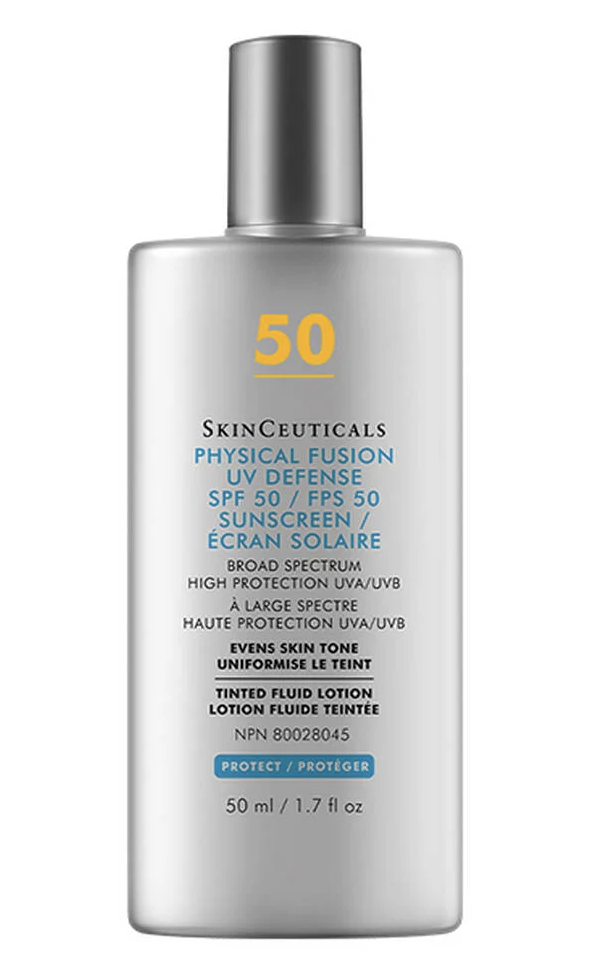
Sun spots typically respond well to IPL series. The number and spacing of sessions should be determined by the SKIN Clinics team after assessing the spots and skin tone. For daily photoprotection, a product option to discuss is Physical Fusion UV Defense SPF 50.
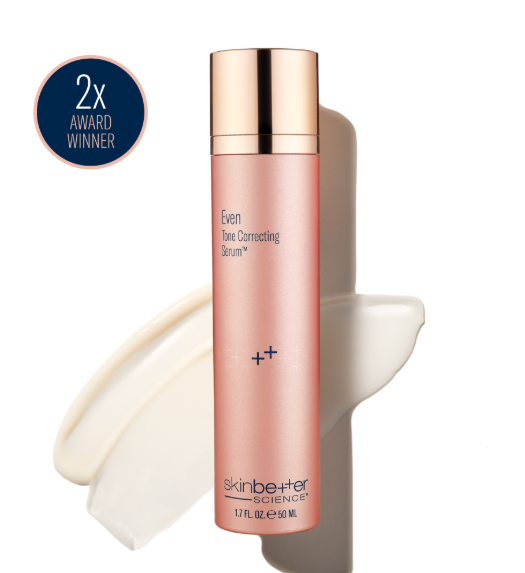
Melasma calls for a more conservative individualized approach that may include Laser Melasma Treatment, carefully selected chemical peels, and medical-grade skincare rather than one aggressive treatment. A pigment-inhibiting option to discuss with the SKIN Clinics team is Even Intensive Skin Tone Correcting Serum.
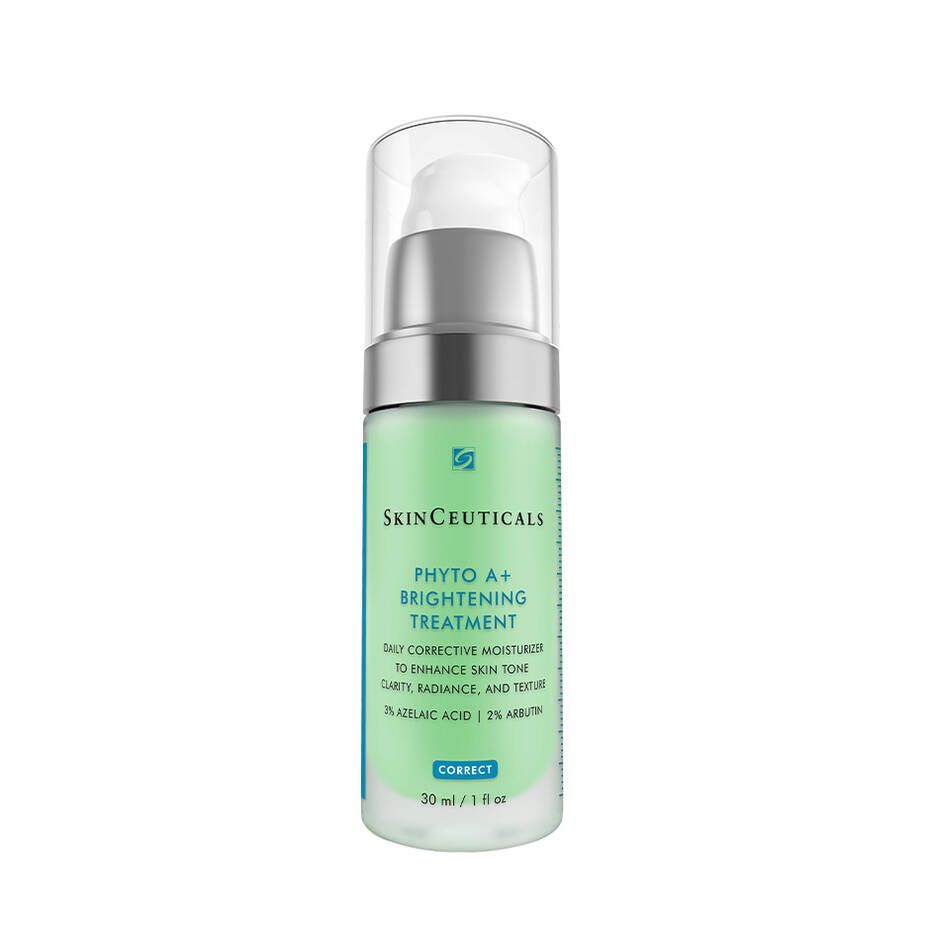
PIH often starts with managing the underlying inflammatory condition (like active acne) alongside topical depigmenting ingredients and sun protection. Depending on the skin and the cause, the SKIN Clinics team may consider microneedling, Custom Pro Peel, or another carefully selected treatment once active inflammation is controlled. A homecare option to discuss is Phyto A+ Brightening Treatment, which is formulated to support brighter, clearer-looking skin. Because PIH can involve pigment in the epidermis, dermis, or both, improvement may take months and deeper pigment can be slower to respond. [6]
Sun Protection Is the One Constant
Regardless of which type of hyperpigmentation you're dealing with, all three get worse with unprotected sun exposure, and all three respond better to treatment when daily broad-spectrum SPF is part of the plan. This isn't a footnote; it's foundational. For a full breakdown of what an effective sun protection routine actually looks like, see our guide on preventing age spots.
Getting the Right Diagnosis First
Because these three types can overlap, and because darker skin tones require more careful treatment selection to avoid worsening pigmentation, an accurate diagnosis matters more here than in most other cosmetic concerns. Self-diagnosing from a photo online is unreliable. A consultation looks at the color, symmetry, depth, and history of your specific pigmentation, and factors in your skin tone before recommending a plan.
Why Choose SKIN Clinics for Hyperpigmentation
SKIN Clinics is one of Canada's leading networks of medical and cosmetic dermatology clinics, with locations in Calgary, Winnipeg, Regina, Brandon, and Steinbach. Because IPL, Laser Melasma Treatment, three chemical peel strengths, microneedling, and medical-grade skincare are all available under one roof, and because treatment is planned by providers trained to account for skin tone and pigmentation type, your plan is built around what your skin actually needs rather than a generic dark-spot protocol. (Book a consultation at a SKIN Clinics location near you)
Quick Takeaways
Hyperpigmentation is an umbrella term; sun spots, melasma, and PIH are distinct conditions with different causes and depths.
Sun spots are often among the more straightforward pigmentation types and may respond well to appropriately selected IPL treatment.
Melasma is multifactorial, may involve pigment at different depths, and usually requires a conservative, long-term management approach.
PIH follows inflammation or injury (like acne) and disproportionately affects darker skin tones.
Darker skin tones face a higher risk of treatment-related pigmentation when procedures are not carefully selected and calibrated.
Daily broad-spectrum sun protection supports management across all three types.
An accurate diagnosis, factoring in your specific skin tone, matters more here than for most cosmetic concerns.
Clinical References
[1] Mar K, Khalid B, Maazi M, Ahmed R, Wang OJE, Khosravi-Hafshejani T. Treatment of Post-Inflammatory Hyperpigmentation in Skin of Colour: A Systematic Review. Journal of Cutaneous Medicine and Surgery, 2024. — https://www.ncbi.nlm.nih.gov/pmc/articles/PMC11514325/
[2] Davis EC, Callender VD. Postinflammatory Hyperpigmentation: A Review of the Epidemiology, Clinical Features, and Treatment Options in Skin of Color. Journal of Clinical and Aesthetic Dermatology, 2010;3(7):20-31. — https://pmc.ncbi.nlm.nih.gov/articles/PMC2921758/
[3] Cleveland Clinic. Hyperpigmentation: What It Is, Causes, and Treatment. — https://my.clevelandclinic.org/health/diseases/21885-hyperpigmentation
[4] American Academy of Dermatology. How to Get Rid of Age Spots. — https://www.aad.org/public/cosmetic/age-spots-marks/get-rid-spots
[5] American Academy of Dermatology. Melasma: Overview. — https://www.aad.org/public/diseases/a-z/melasma-overview
[6] StatPearls. Postinflammatory Hyperpigmentation. NCBI Bookshelf. — https://www.ncbi.nlm.nih.gov/books/NBK559150/
The skincare we recommend.
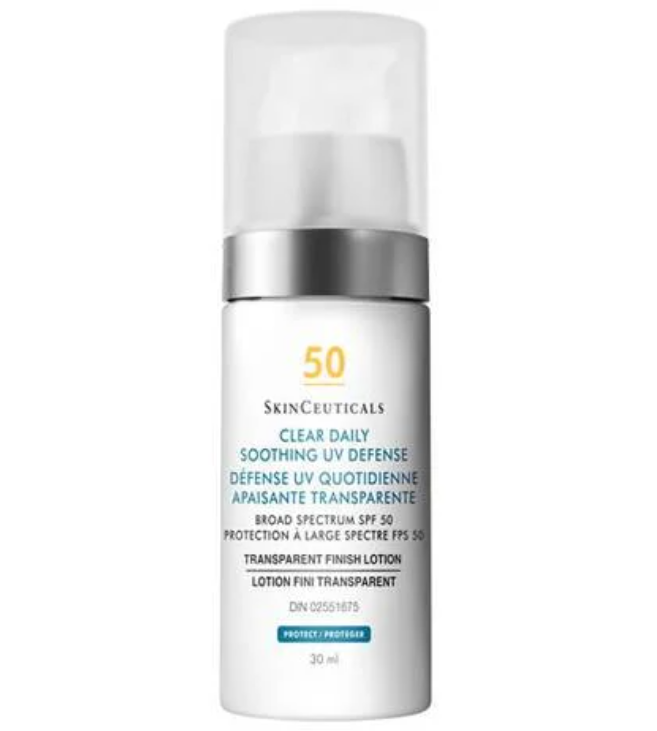
Personalised skin guidance
Book a complimentary consultation with a SKIN Clinics specialist to build a routine tailored to your goals.