Non-Surgical Wrinkle Reduction: Laser, Microneedling, and Injectables Compared
Injectables, microneedling, and laser treatment aren't competing options for wrinkle reduction, they address different mechanisms entirely. This guide breaks down what each actually does, what the research shows, and how to figure out which one (or combination) fits your skin.


Three categories of treatment, dozens of brand names, and everyone claiming to be the best option for wrinkles. If you've tried researching this on your own, you've probably ended up more confused than when you started. Here's the plain version: laser, microneedling, and injectables aren't competing for the same job. They each do something different, and knowing which does what is the entire key to choosing correctly.
The Three Categories, in Plain Terms
Injectable neuromodulators, such as Botox, work quickly by reducing the muscle activity that contributes to expression lines. [2] They do not rebuild skin structure in the same way as collagen-stimulating procedures.
Microneedling creates controlled micro-injuries that trigger the skin's own collagen-building healing response. It improves texture, firmness, and fine lines gradually, over a series of sessions.
Laser treatment uses heat or light energy to stimulate collagen at varying depths, depending on the device and settings, and can address more advanced wrinkles, sun damage, and skin laxity, with a range of intensity from gentle and no-downtime to more advanced resurfacing.
What the Evidence Actually Shows
A 2024 clinical trial on radiofrequency microneedling for periorbital wrinkles, one of the more difficult areas to treat non-surgically, found a 49 percent average reduction in wrinkle severity scores across 24 patients after a series of four sessions. [1] This is a meaningful data point: it suggests that this RF microneedling protocol may improve periorbital wrinkles, although the small, nonrandomized study should not be generalized to every device or patient.
Cleveland Clinic frames the decision this way: injectables tend to work best for wrinkles caused by repeated muscle movement, while microneedling and laser therapy are better suited to structural improvements in skin texture and firmness, with the two often used together for a more complete result. [2] Mayo Clinic adds that a dermatologist can help determine which combination of treatments, including prescription creams, injections, or laser therapy, is most appropriate based on your specific skin and goals, since no single option addresses every mechanism behind visible aging. [3]
Matching the Treatment to the Problem
Movement-related lines (forming only when you smile, frown, or squint): Neuromodulators are the most direct, fastest-acting option. [4] (Explore our Neuromodulators treatment page)
Volume loss (hollowing, flattened cheeks, deepening folds): Filler restores lost structure that no amount of microneedling or laser can replace. [5] (See our Filler treatment page)
Fine lines, texture, and mild laxity: Microneedling offers a gradual, lower-downtime way to rebuild collagen over a series of sessions. (Explore our Microneedling treatment page)
Deeper wrinkles, sun damage, or more visible skin laxity: Laser treatment can target different depths of the skin depending on the technology and settings. (See our Laser Eye Renewal treatment page)
Why Combining Categories May Be Considered
Because each category addresses a different mechanism, combining them may be considered rather than a sign that one treatment “isn't enough.” A provider might recommend neuromodulators to address movement, paired with microneedling or laser treatment to rebuild the surrounding skin structure, potentially providing a more comprehensive result than any single category alone. Combination approaches are commonly considered when multiple aging mechanisms are present. [2]
What About Downtime and Timeline?
Injectables: Fastest visible results (days to two weeks), generally little downtime, but temporary (about 3 to 4 months for neuromodulators [4], and roughly 6 to 24 months for filler, depending on the product, treatment area, and individual). [5]
Microneedling: Gradual improvement across a series, typically minimal downtime, with results building over weeks to months as collagen matures.
Laser: Ranges from no-downtime options to several days of visible recovery for stronger treatments, with results developing progressively over the following months. Learn more about ResurFX.
For daily maintenance, ask your provider whether Skinbetter Science InterFuse Intensive Treatment LINES fits your skincare routine and treatment schedule.
Why Choose SKIN Clinics to Build Your Wrinkle Reduction Plan
SKIN Clinics is one of Canada's leading networks of medical and cosmetic dermatology clinics, with locations in Calgary, Winnipeg, Regina, Brandon, and Steinbach. Having neuromodulators, filler, microneedling, and a range of laser treatments available within the same clinic means your plan isn't limited by which single category a provider happens to specialize in. Your provider can build a plan that matches the actual mechanism behind your specific wrinkles. Book a consultation at a SKIN Clinics location near you.
Quick Takeaways
Injectables, microneedling, and laser address different mechanisms behind wrinkles: muscle movement, texture/firmness, and deeper structural aging, respectively.
A 2024 clinical trial found a 49 percent reduction in periorbital wrinkle severity with a series of RF-assisted microneedling. [1]
Neuromodulators and fillers work fastest but are temporary; microneedling and laser build gradual structural change.
Combining categories may be recommended when more than one concern is being addressed.
The right choice depends on whether your main concern is movement, volume, texture, or deeper structural aging.
Downtime and timeline vary significantly across categories and should factor into your decision alongside efficacy.
A consultation identifies which mechanism is actually driving your specific wrinkles before recommending a plan.
Clinical References
[1] Cheles D, Vinshtok Y, Gershonowitz A. Microneedling With RF-Assisted Skin Penetration Improves the Hard-to-Treat Periorbital Wrinkles: Nonrandomized Clinical Trial. Journal of Cosmetic Dermatology, 2024. — https://www.ncbi.nlm.nih.gov/pmc/articles/PMC11626310/
[2] Cleveland Clinic. Treatments to Reduce Wrinkles. — https://my.clevelandclinic.org/health/treatments/8411-treatments-to-reduce-wrinkles
[3] Mayo Clinic. Wrinkle Creams: Your Guide to Younger Looking Skin. — https://www.mayoclinic.org/diseases-conditions/wrinkles/in-depth/wrinkle-creams/art-20047463
[4] American Academy of Dermatology. Botulinum Toxin Therapy: Overview. — https://www.aad.org/public/cosmetic/wrinkles/botulinum-toxin-overview
[5] American Society for Dermatologic Surgery. Injectable Hyaluronic Acid. — https://www.asds.net/skin-experts/skin-treatments/injectables/injectable-hyaluronic-acid
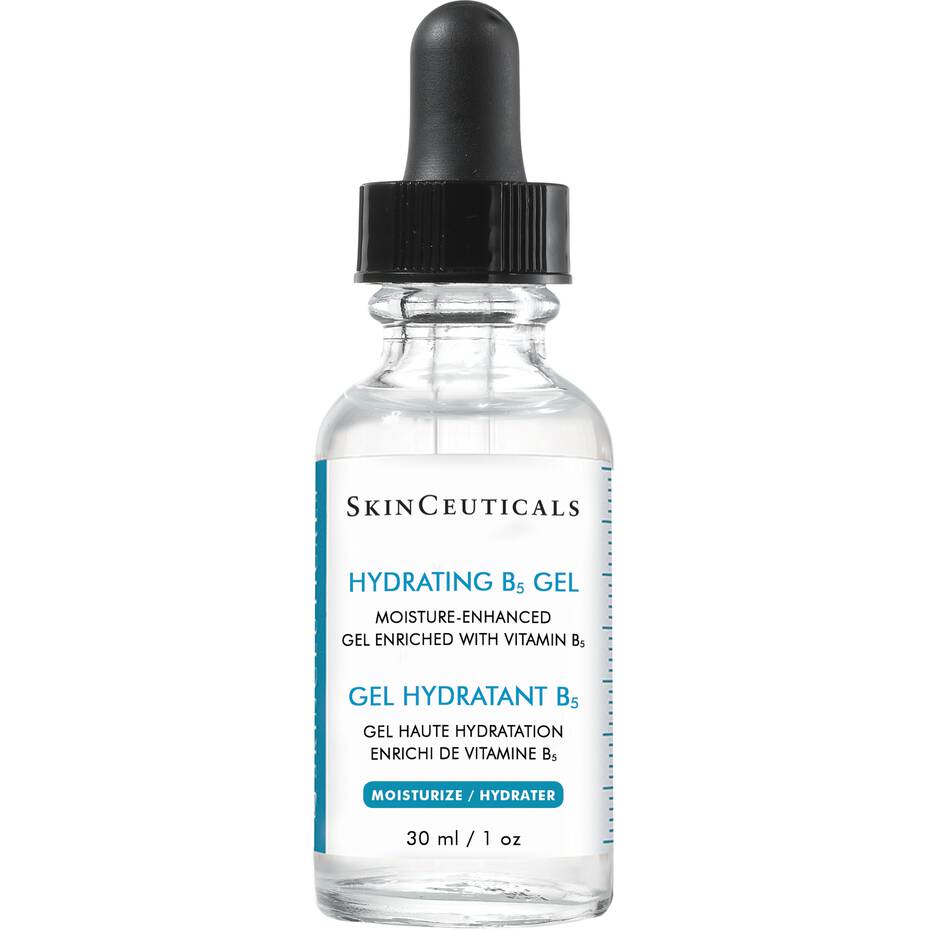
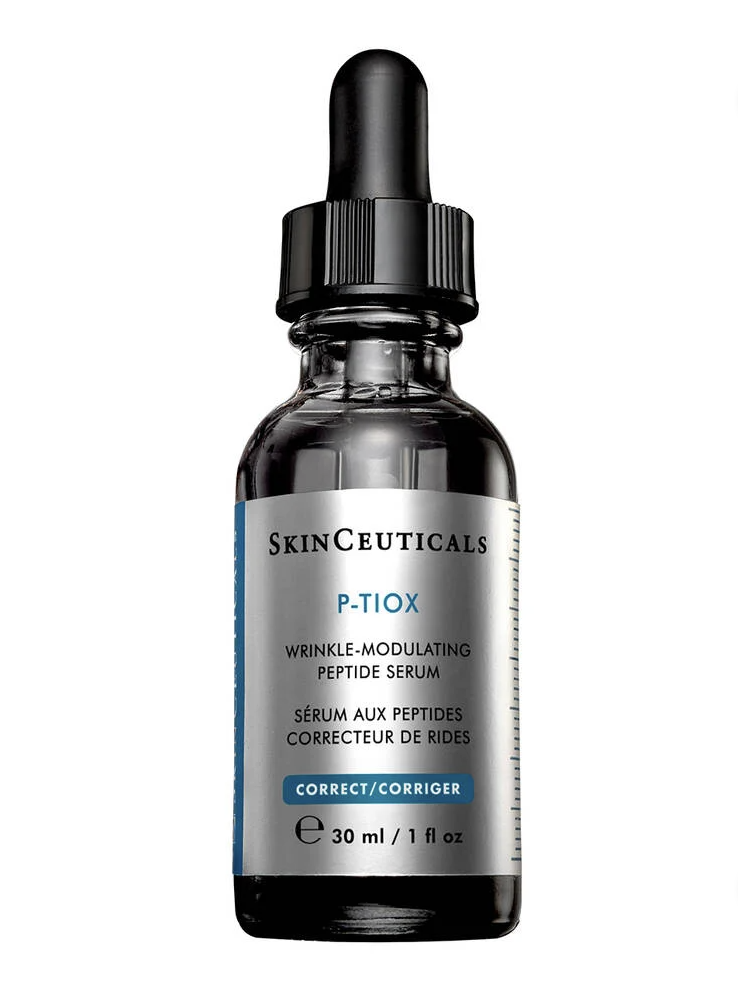
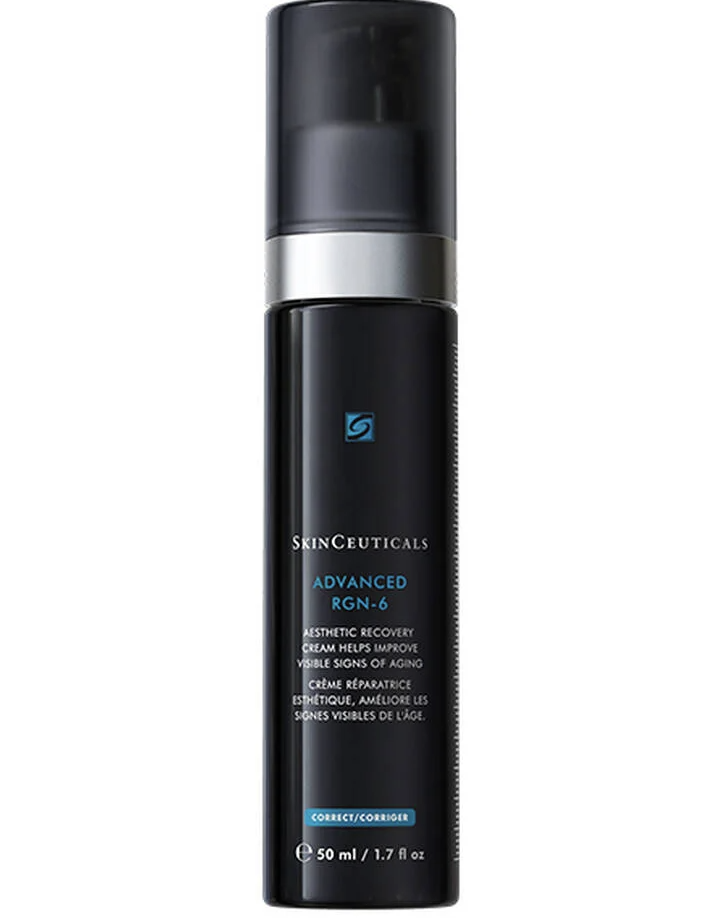
The skincare we recommend.
Personalised skin guidance
Book a complimentary consultation with a SKIN Clinics specialist to build a routine tailored to your goals.