Microneedling for Acne Scars: How It Works and What to Expect
Microneedling for acne scars works by triggering the skin's own collagen-building healing response, gradually improving the appearance of atrophic acne scars over a series of treatments. This guide covers how it works, what results realistically look like, and who makes a good candidate.

You cleared your acne years ago. The breakouts stopped, but the marks never did. Every time you catch your reflection in bright light, the same shadows and dips show up on your cheeks or jawline. Concealer helps for a few hours. It doesn't fix the texture underneath.
This is where most people start looking into microneedling. It comes up constantly in searches, in comment sections, in group chats between friends comparing what actually worked. But most of what's written about it is either too technical or too vague to be useful.
Here's what microneedling for acne scars actually is, how it works on the skin, and what a realistic treatment experience looks like from the first appointment to the final result.
Why Acne Scars Are So Hard to Treat
Acne scars aren't just discoloration. Many of them are structural. When inflamed acne damages the deeper layers of skin, the body doesn't always rebuild that tissue evenly. The result is a dip, a dent, or a rough patch where smooth skin used to be. These are called atrophic scars, and they're the most common type left behind by acne.
Because the damage sits below the surface, surface-level products can't reach it. Creams and serums can improve tone and hydration, but they can't rebuild lost collagen in a scar that has already formed. That's the part most skincare routines miss.
Microneedling works below the surface by using the skin's own healing response to improve the appearance of depressed acne scars.
What Is Microneedling?
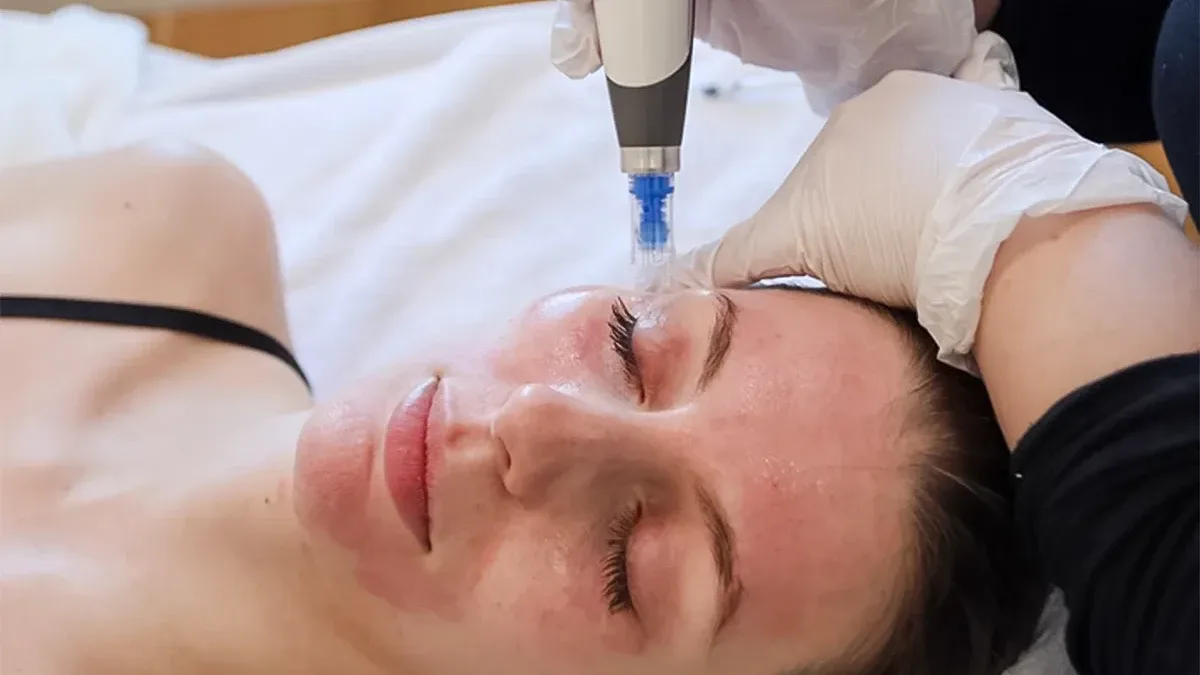
Microneedling is a collagen induction treatment. A device fitted with fine, sterile needles creates tiny, controlled micro-injuries across the treatment area. These micro-injuries are shallow enough to be safe, but deep enough to trigger the skin's natural wound-healing process.
That healing process is the entire point. As the skin repairs itself, it produces new collagen and elastin, the two proteins responsible for skin's structure and firmness. Over a series of sessions, this new collagen gradually fills in the depressed tissue that makes acne scars visible, while also improving overall texture and tone.
Clinical research backs this mechanism. A study published in the Journal of Clinical and Aesthetic Dermatology evaluated microneedling therapy specifically for atrophic acne scars and found noticeable clinical improvement in scar appearance and skin texture after a series of sessions, along with a significant increase in collagen production compared to baseline. A separate systematic review of randomized controlled trials on microneedling for atrophic scarring, published in the International Wound Journal, found that microneedling used on its own improved the appearance of acne scars in as few as three treatment sessions. [1][2]
How Microneedling Works, Step by Step
1. Consultation and Skin Assessment
A SKIN Clinics provider looks at your scar type, skin sensitivity, and goals before recommending microneedling as the right fit.
2. Numbing
A numbing cream is applied before the device touches your skin. This is what makes the treatment tolerable for most people. Learn more on the Microneedling treatment page.
3. Treatment
A pen-style device with fine, sterile needles glides across the treatment area, creating consistent, controlled micro-channels in the skin. Most people describe the sensation as a light vibration rather than pain.
4. Optional Treatment Add-Ons
Depending on your skin and treatment goals, your provider may recommend PDRN or exosomes as an optional microneedling upgrade. These add-ons are applied following microneedling to support skin renewal and recovery. Your provider will determine whether either option is appropriate for your treatment plan.
5. The Healing Response
Once the micro-injuries are made, your body takes over. It sends collagen and elastin to repair the treated area, which is what gradually improves the depth and texture of the scar.
6. Series of Sessions
Acne scars don't respond to one appointment. SKIN Clinics typically recommends a series of 3 treatments, spaced about 4 to 6 weeks apart, depending on your scars and treatment goals. Once your desired outcome is reached. Maintenance sessions may be discussed after the initial series.
Does Microneedling Work for Acne Scars?
Yes, for the right candidate and the right scar type. Microneedling is most effective on atrophic (indented) acne scars, including rolling and mild boxcar scars. [2] It also helps improve overall skin texture, tone, and pore appearance at the same time, which is part of why it's a popular standalone treatment and a common complement to other scar treatments.
It's worth being direct about what it isn't. Microneedling is not a single-session fix, and it isn't the strongest option for deep, sharply defined scars like severe boxcar or ice pick scars. For those, a provider may recommend a different or combined approach. A SKIN Clinics provider may recommend options such as Laser Acne Scar Treatment.
What Results Actually Look Like
Improvement is progressive, not immediate. Skin needs time to rebuild collagen, so visible results build across your treatment series rather than after a single appointment. Discomfort and downtime are generally minimal, which is part of why microneedling fits easily into most schedules. Once your full series is complete and your desired outcome is reached, your SKIN Clinics provider can advise whether maintenance treatments are appropriate for your skin and goals.
This is consistent with the clinical literature. The same systematic review of randomized trials noted that microneedling produced measurable improvement in atrophic scarring across multiple studies, with results building over the course of treatment rather than after one session. [2]
Is Microneedling Painful?
Most people tolerate it well. Numbing cream is applied beforehand, and the sensation during treatment is usually described as a mild vibration or pressure rather than pain. Some redness and mild swelling immediately after treatment is normal and typically settles within a couple of days.
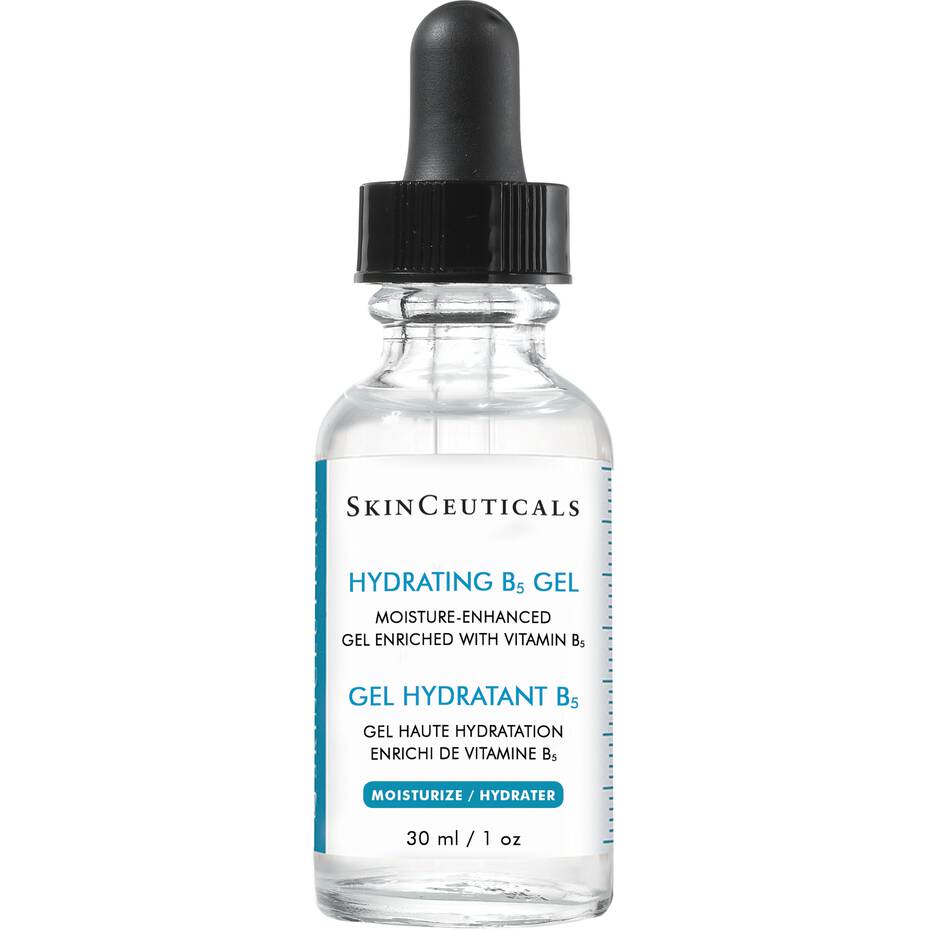
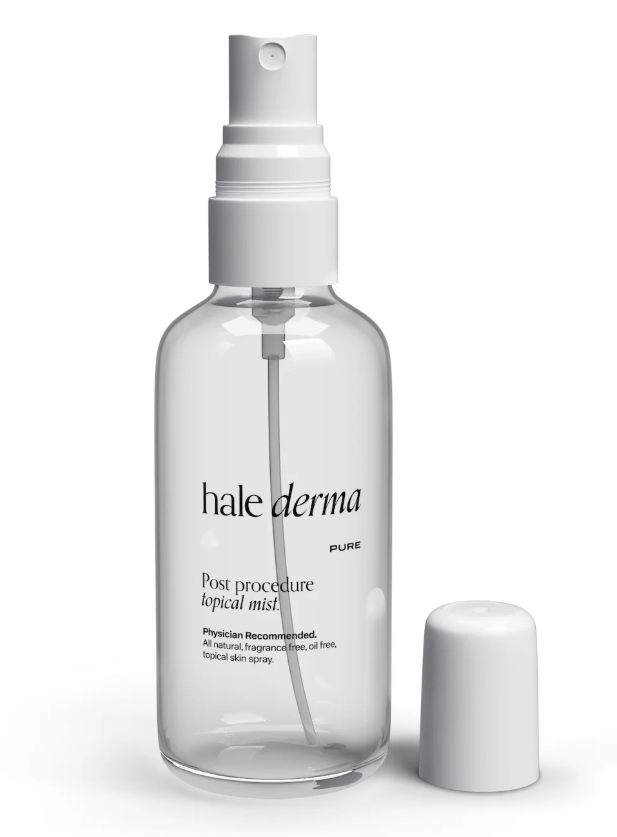
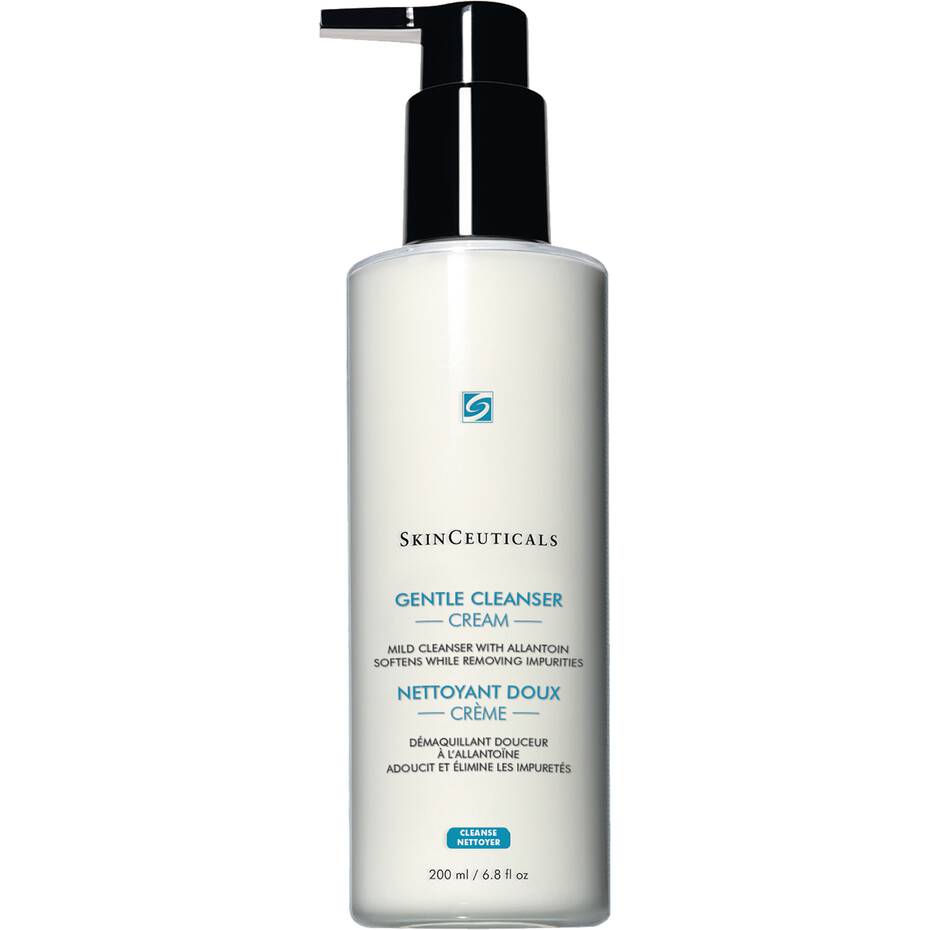
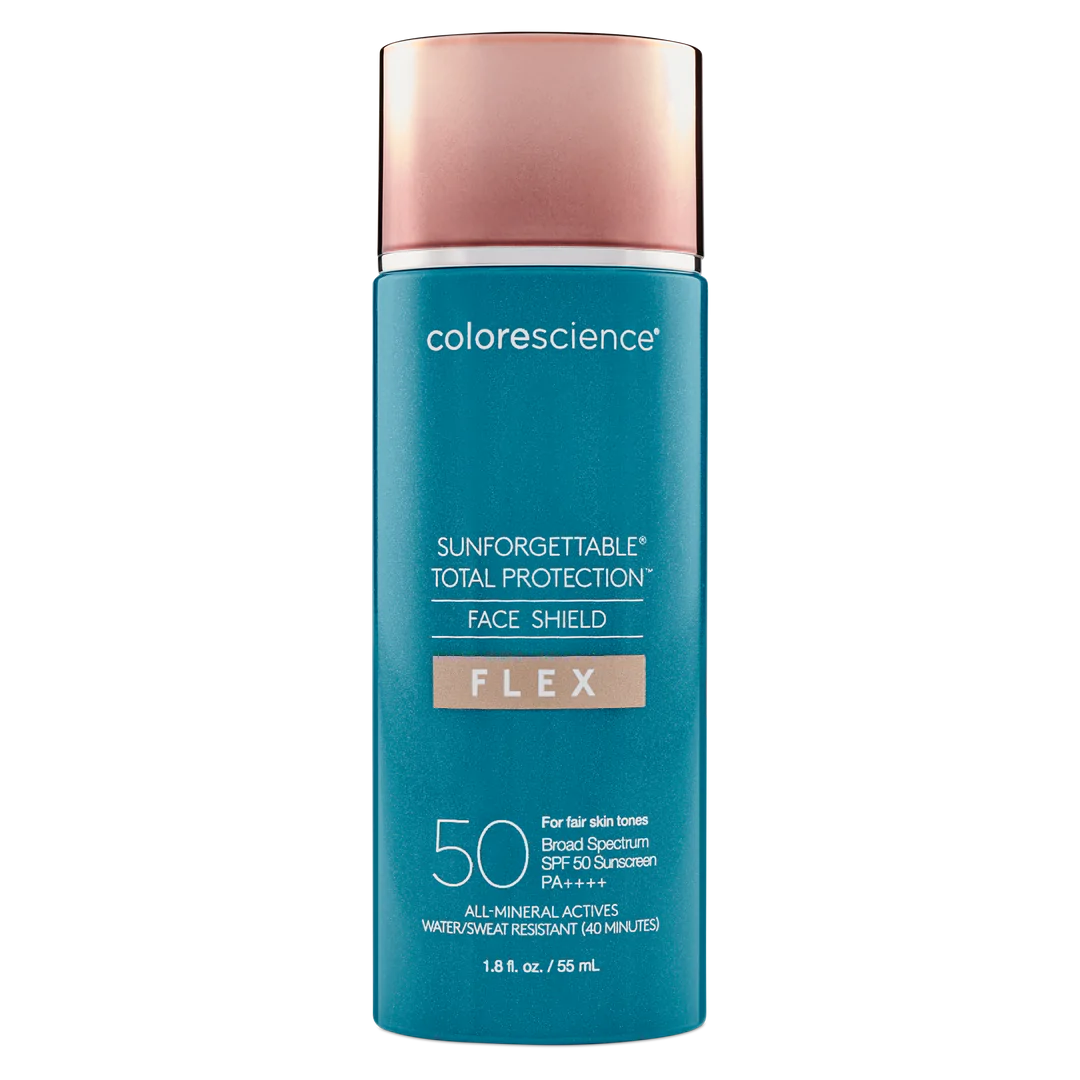
After treatment, follow the aftercare instructions provided by the SKIN Clinics team. Your recommended homecare may include a gentle cleanser, a barrier-supporting moisturizer, and daily mineral SPF 50, based on your skin’s needs.
Who Should Avoid Microneedling?
Microneedling isn't automatically right for everyone. It may not be suitable for people with certain active skin conditions, a tendency toward keloid scarring, or other health considerations. Pregnancy, breastfeeding, autoimmune conditions, medications, and medical history should be discussed during your consultation so the SKIN Clinics team can determine whether treatment is appropriate.
Why Consistency Matters More Than the Device
A lot of people ask why their at-home dermaroller didn't do much. Professional microneedling uses a controlled, sterile device operated by a trained SKIN Clinics provider, allowing treatment depth and technique to be adjusted more precisely than with most at-home tools. Following the recommended treatment plan gives the skin time to heal and build collagen between sessions.
This is also why a treatment plan matters more than a single appointment. Scar improvement is gradual, and your recommended schedule should be based on how your skin responds between sessions.
Why Choose SKIN Clinics for Microneedling
SKIN Clinics is one of Canada's leading networks of medical and cosmetic dermatology clinics, with locations in Calgary, Winnipeg, Regina, Brandon, and Steinbach. Microneedling at SKIN Clinics is performed using a professional-grade device by a trained provider, with a numbing protocol and aftercare guidance built into every appointment.
If acne scars are only part of what's bothering you, your provider can also walk you through complementary options such as Laser Acne Scar Treatment or a Signature Facial as part of a broader skin plan. (See our Microneedling treatment page to review before and aftercare details for your location)
Quick Takeaways
Acne scars are structural, so surface-level skincare can't fully fix them.
Microneedling triggers the skin's own healing response to rebuild collagen where scars have formed.
It can help improve atrophic (indented) scars such as rolling and some boxcar scars.
Results build gradually across a series of sessions, not after one appointment.
Numbing cream is used throughout, and downtime is minimal for most people.
Not everyone is a candidate. Your medical history, skin condition, medications, keloid tendency, pregnancy, or breastfeeding status should be reviewed before treatment.
A consultation is the best way to confirm if microneedling is the right fit for your scarring.
Clinical References
[1] El-Domyati M, et al. Microneedling Therapy for Atrophic Acne Scars: An Objective Evaluation. Journal of Clinical and Aesthetic Dermatology, 2015;8(7):36-42. — https://pmc.ncbi.nlm.nih.gov/articles/PMC4509584/
[2] Sitohang IBS, et al. Microneedling in the Treatment of Atrophic Scars: A Systematic Review of Randomised Controlled Trials. International Wound Journal, 2021;18(5):577-585. — https://pmc.ncbi.nlm.nih.gov/articles/PMC8450803/
The skincare we recommend.
Personalised skin guidance
Book a complimentary consultation with a SKIN Clinics specialist to build a routine tailored to your goals.