Fine Lines on Forehead: Prevention and Treatment Options
Forehead lines are one of the most requested cosmetic treatment areas, and one of the easiest to overcorrect. This guide covers what causes them, real prevention habits, how neuromodulators work, and why injector precision matters so much for this specific muscle.


Raise your eyebrows in the mirror right now. See those horizontal lines? Everyone has them to some degree, they're just a question of how deep, how permanent, and how much they bother you. Forehead lines are one of the most requested treatment areas in cosmetic dermatology, and also one of the easiest to overcorrect if the person doing it doesn't understand the muscle underneath.
What Causes Forehead Lines
Horizontal forehead lines form from repeated contraction of the frontalis muscle, the only muscle in the upper face that lifts the eyebrows. Every time you raise your brows in surprise, concern, or simply to keep your eyelids from feeling heavy, this muscle contracts. Over time and with collagen loss, these lines transition from dynamic (visible only during movement) to static (visible at rest).
The frontalis is a uniquely large, sheet-like muscle with no bony attachments, running from the eyebrows to the hairline. This anatomy is one reason forehead treatment requires careful technique: the muscle isn't uniform, and treating it as if it were can create unwanted results.
Prevention: What Actually Helps
Daily broad-spectrum sunscreen. UV exposure accelerates collagen breakdown across the whole face, forehead included. Consider a daily option such as Physical Fusion UV Defense SPF 50.
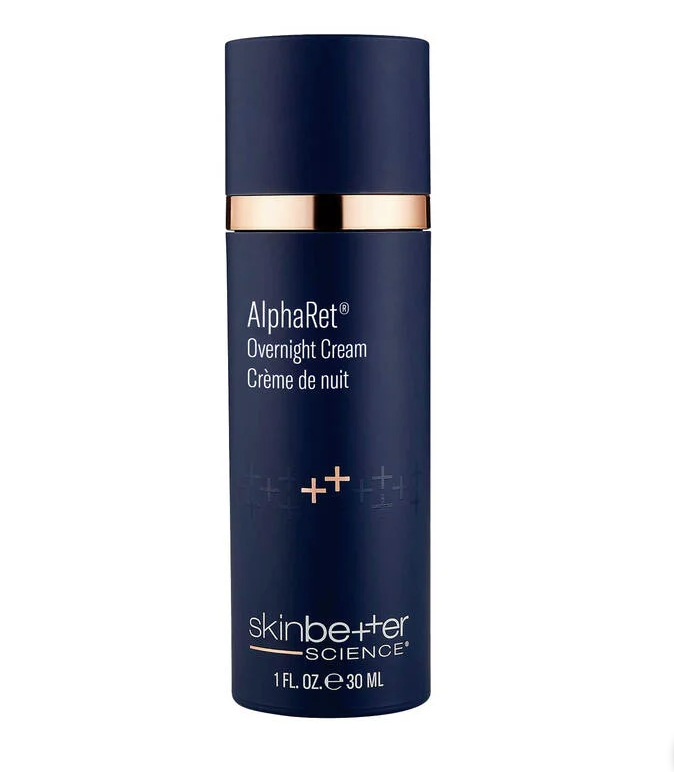
Retinoids. Applied consistently at night, retinoids support collagen turnover and can soften the depth of fine lines over time, though results take weeks to become visible. For a retinoid skincare option, ask your provider whether AlphaRet Overnight Cream suits your routine.
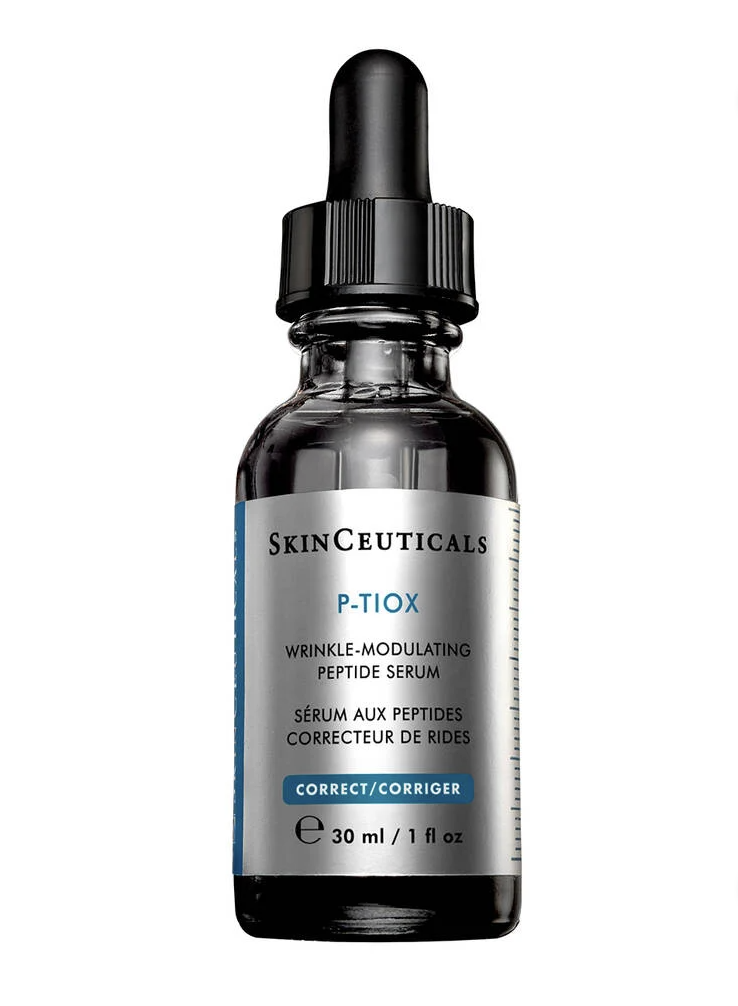
Corrective anti-wrinkle cream. A targeted formula such as P‑TIOX can complement an at-home routine by helping soften the appearance of expression lines. Ask your provider whether it suits your skin.
Reducing repetitive expression where possible. This is a harder one to control day to day, but awareness of habitual brow-raising (often linked to screen use or eyelid heaviness) can help slow new line formation.
Not smoking. Smoking accelerates collagen breakdown throughout the face.
These habits slow new lines from forming, but they won't reverse lines that have already become static, which is where professional treatment becomes relevant.
Neuromodulators: The Standard Treatment
Neuromodulators (Botox, Dysport, Nuceiva, Xeomin) remain the most well-supported professional treatment for dynamic forehead lines. A clinical study evaluating botulinum toxin injections for forehead wrinkles tracked patients at one week, four weeks, and sixteen weeks post-treatment and found consistent improvement in wrinkle appearance and high patient satisfaction across the follow-up period. [1] Neuromodulator injections are among the most frequently performed non-surgical aesthetic procedures, with nearly 9.5 million procedures performed in the United States in 2023. [2]
At SKIN Clinics, neuromodulators are injected directly into the frontalis, with visible softening within days and full effect at about two weeks. Results generally last three to four months.
Why Forehead Treatment Requires More Precision Than People Expect
This is worth understanding before your appointment: the frontalis isn't just a wrinkle-causing muscle, it's also the primary muscle holding your eyebrows up. Overtreating it, especially the lower fibers, can cause brow heaviness or, in more significant cases, eyelid drooping (ptosis). The American Academy of Ophthalmology notes that botulinum toxin injections work by relaxing targeted facial muscles, and that improper technique or dosing is what leads to these unwanted effects. [3]
This is why an experienced injector maps the specific pattern and strength of your frontalis muscle before treating it, rather than applying a standard dose uniformly. Muscle patterns vary significantly between patients, which is part of why the same “amount” of Botox can look completely different on two different foreheads.
What About Deeper, Etched Lines?
Static lines that remain visible even after your muscle is relaxed may not fully resolve with neuromodulators alone. In these cases, providers may recommend layering in microneedling or a laser treatment such as ResurFX to support collagen remodeling in the skin, addressing what the neuromodulator alone cannot.
Why Choose SKIN Clinics for Forehead Line Treatment
SKIN Clinics is one of Canada's leading networks of medical and cosmetic dermatology clinics, with locations in Calgary, Winnipeg, Regina, Brandon, and Steinbach. Forehead treatment is one of the areas where injector experience matters most, given how easily an imprecise approach can affect eyebrow position or create an overly frozen look. Your provider assesses your specific frontalis pattern before recommending a dose and injection map tailored to your anatomy. Book a consultation at a SKIN Clinics location near you.
Quick Takeaways
Forehead lines form from repeated contraction of the frontalis muscle, the only muscle that lifts the eyebrows.
Daily SPF and nightly retinoids are the most evidence-backed prevention habits.
Neuromodulators remain the standard, well-studied treatment for dynamic forehead lines, with results lasting 3 to 4 months.
Overtreating the frontalis can cause brow heaviness or eyelid drooping, which is why injector experience and technique matter significantly here.
Static, deeply etched lines may need microneedling or laser treatment added to a neuromodulator plan for more complete improvement.
Muscle patterns vary significantly between patients, so dosing should never be one-size-fits-all.
A consultation assesses your specific frontalis pattern before recommending treatment.
Clinical References
[1] An Evaluation of Use of Botulinum Toxin Type A in the Management of Dynamic Forehead Wrinkles: A Clinical Study. — https://pmc.ncbi.nlm.nih.gov/articles/PMC5121792/
[2] American Society of Plastic Surgeons. 2023 Procedural Statistics Report. — https://www.plasticsurgery.org/news/press-releases/plastic-surgery-sees-steady-growth-amidst-economic-uncertainty-american-society-of-plastic-surgeons-2023-procedural-statistics-report-finds
[3] American Academy of Ophthalmology. Botulinum Toxin (Botox) for Facial Wrinkles. — https://www.aao.org/eye-health/treatments/what-is-botox-facial-wrinkles
The skincare we recommend.

Personalised skin guidance
Book a complimentary consultation with a SKIN Clinics specialist to build a routine tailored to your goals.