Best Treatments for Melasma: Laser, Chemical Peels, and Microneedling
Melasma rarely responds to a single treatment. This guide breaks down what the research actually shows about laser, chemical peels, and microneedling for melasma, including real efficacy and side-effect data, and how to think about combining them.

You've read that melasma is stubborn. You've read that it can come back. What you probably haven't read is a straight answer on which treatment is actually worth your time and money, laser, a chemical peel, or microneedling, and whether you're supposed to pick just one.
The honest answer: for most people with melasma, it's not really a choice between the three. It's about which combination, in which order, fits your specific skin and how deep the pigment sits.
Why Melasma Doesn't Respond to a Single Fix
Unlike sun spots, which usually respond well to one consistent treatment type, melasma tends to need a layered approach. A large network meta-analysis of 59 randomized controlled trials on melasma treatments found that combination regimens frequently ranked among the more effective options, although no single approach was best for every patient. [1] That statistic alone explains why so many people feel like they've “tried everything” for melasma without lasting results: they were often trying one thing at a time instead of a coordinated plan.
Laser Treatment: Precise, but Handle with Care
Laser is often the most talked-about option, and for good reason: it can meaningfully improve deeper pigment that topical products can't reach. But melasma is unusually sensitive to heat, and the wrong laser settings can trigger more pigment rather than less. The American Academy of Dermatology notes that laser and light treatments tend to work best as an addition to an existing routine of medication and sun protection, rather than as a standalone fix. [2]
This is exactly why SKIN Clinics' Laser Melasma Treatment uses carefully selected, lower-heat laser settings, curated specifically to avoid over-stimulating the pigment. Most patients need only 1 to 2 initial sessions, with maintenance treatments recommended every 6 months to a year. (See our Laser Melasma Treatment page)
Chemical Peels: Effective, with a Real Trade-Off
Peels work by exfoliating the outer layers of pigmented skin, and they're a legitimate part of melasma treatment. But recent clinical data suggests they come with a meaningful downside. A 2025 comparative study of 120 patients with moderate to severe melasma found that a 15 percent TCA chemical peel produced real improvement, but also came with a notably higher rate of side effects, 58.3 percent of peel patients reported adverse effects, compared to 36.7 percent in the microneedling group in the same study. [3]
This doesn't mean peels are the wrong choice. SKIN Clinics offers several chemical peel options, including the Custom Pro Peel, Jessner Peel, and TCA Peel. A milder peel used consistently as part of a broader plan may be a reasonable piece of a melasma protocol. The key is not defaulting to the strongest peel available simply because it sounds more effective.
Microneedling: An Increasingly Supported Adjunct
Microneedling has growing evidence as an adjunct to topical therapy for melasma, rather than as a universal replacement for established treatment. [5] In the 2025 comparative study, the microneedling group showed a larger reduction in melasma severity scores over 12 weeks than the peel group, along with fewer reported side effects. [3]
This doesn't mean microneedling replaces laser or peels for melasma. It means it's a legitimate, lower-irritation option a provider may fold into a broader plan, especially for patients who want to avoid the higher side-effect profile associated with stronger peels.
So What Actually Works Best?
Based on the current evidence, the honest answer is: a combination, tailored to your skin, sequenced correctly. The AAD is clear that these procedures should only be performed by a board-certified dermatologist, since getting the desired result requires in-depth knowledge of how melasma responds to each modality. [2] Harvard Health echoes this, noting that while there's no cure for melasma, consistent sunscreen use alongside the right combination of treatment options gives patients the best realistic outcome. [4]
In practice, this usually means:
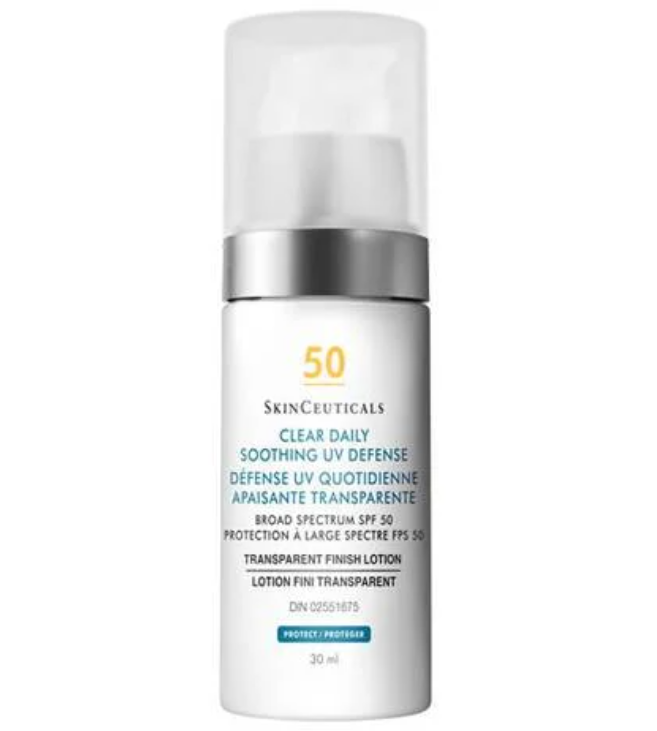
Sun protection first. The AAD recommends broad-spectrum SPF 50 or higher and notes that tinted sunscreen containing iron oxide can help protect against visible light, which can worsen melasma. [2][6] For daily melasma management, SKIN Clinics recommends SPF 50; one tinted option containing iron oxides is Colorescience Sunforgettable Face Shield Flex SPF 50.
A conservative laser or peel approach matched to your skin tone and melasma depth, not the strongest option by default.
Microneedling or a milder peel layered in over time to support results with a lower side-effect burden.
A pigment-inhibiting skincare product used consistently between sessions to help manage pigment production and support treatment results.
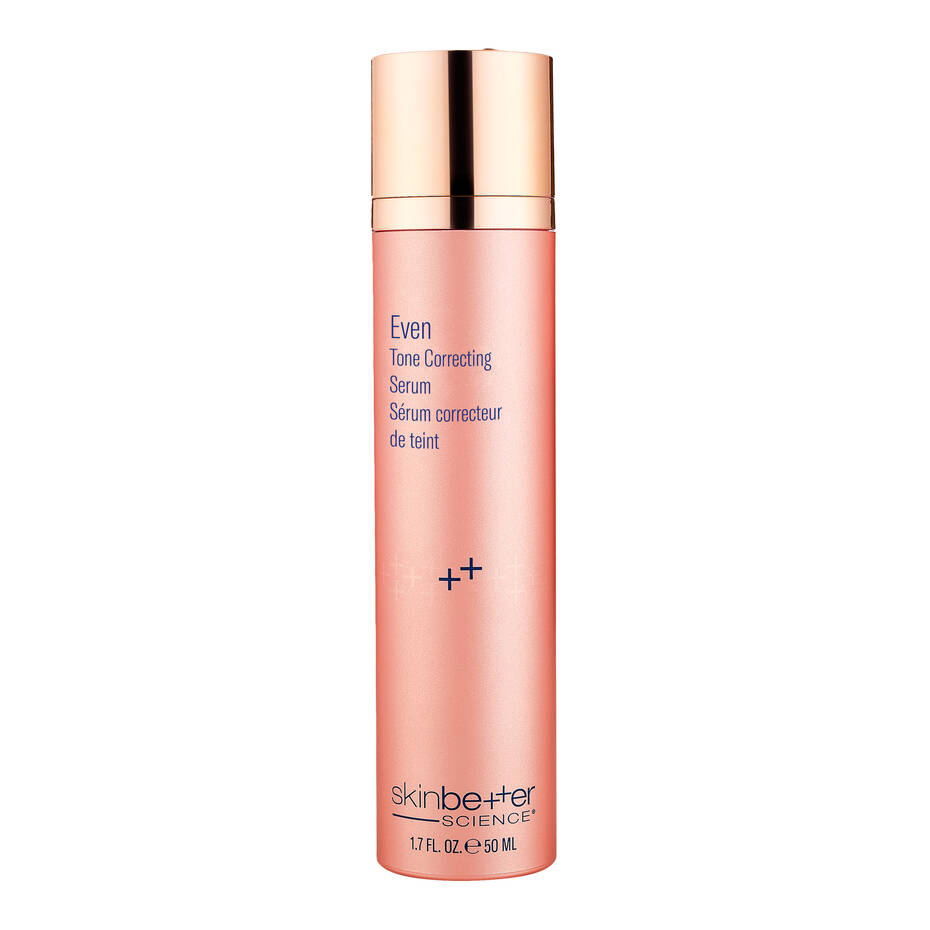
Treatments alone are not enough to manage melasma. A coordinated plan should combine appropriately selected in-clinic treatments with a pigment inhibitor, such as Even Intensive Skin Tone Correcting Serum, and daily SPF 50. Your SKIN Clinics provider can tailor the product and treatment sequence to your skin.
What Results Realistically Look Like
Melasma treatment is a management process, not a one-time fix. Improvement typically builds gradually, and maintenance sessions are part of the plan rather than a sign something went wrong. Results from SKIN Clinics' Laser Melasma Treatment may be temporary, so consistent pigment-inhibiting skincare, daily SPF 50, and periodic maintenance treatments may be recommended to help sustain improvement.
Who Should Be Cautious
Melasma treatment isn't one-size-fits-all. Pregnancy, active cold sores, and certain medical histories can affect which treatments are appropriate, and darker skin tones require more careful laser settings to avoid worsening pigmentation. This is precisely why an in-person consultation with SKIN Clinics team matters more for melasma than for most other pigmentation concerns.
Why Choose SKIN Clinics for Melasma Treatment
SKIN Clinics is one of Canada's leading networks of medical and cosmetic dermatology clinics, with locations in Calgary, Winnipeg, Regina, Brandon, and Steinbach. Having Laser Melasma Treatment, chemical peel options, and microneedling available within the same network allows the SKIN Clinics team to build and adjust a coordinated plan as your skin responds. Book a consultation at a SKIN Clinics location near you.
Quick Takeaways
Melasma rarely responds fully to one treatment; combination therapy was frequently ranked among the more effective approaches, although no single treatment was best for every patient. A coordinated plan should also include a pigment inhibitor and daily SPF 50.
Laser is effective but heat-sensitive; lower-heat, precisely chosen settings matter more than raw intensity.
Chemical peels work but carry a real trade-off: one study found nearly 60 percent of peel patients experienced side effects, compared to under 40 percent with microneedling.
Microneedling has growing clinical support as a lower-irritation option, especially combined with topical agents.
Daily SPF 50 and consistent use of a pigment inhibitor are essential parts of a melasma management plan.
These procedures should be performed by appropriately qualified clinicians because melasma can worsen with the wrong approach.
A consultation with the SKIN Clinics team helps determine which treatment combination and sequence may be appropriate for your skin.
Clinical References
[1] Liu Y, Wu S, Wu H, Liang X, Guo D, Zhuo F. Comparison of the Efficacy of Melasma Treatments: A Network Meta-Analysis of Randomized Controlled Trials. Frontiers in Medicine, 2021;8:713554. — https://pmc.ncbi.nlm.nih.gov/articles/PMC8511390/
[2] American Academy of Dermatology. Melasma: Diagnosis and Treatment. — https://www.aad.org/public/diseases/a-z/melasma-treatment
[3] A Comparative Study of the Efficacy of Chemical Peels and Microneedling in the Treatment of Moderate to Severe Melasma. Cureus, 2025. — https://www.ncbi.nlm.nih.gov/pmc/articles/PMC12790136/
[4] Harvard Health Publishing. Melasma: What Are the Best Treatments? — https://www.health.harvard.edu/blog/melasma-what-are-the-best-treatments-202207112776
[5] Bailey AJM, Li H, Fehlings MG, et al. Microneedling as an Adjuvant to Topical Therapies for Melasma: A Systematic Review and Meta-analysis. Journal of the American Academy of Dermatology, 2022;86(4):797-810. — https://pubmed.ncbi.nlm.nih.gov/34118404/
[6] Morgado-Carrasco D, Granger C, Trullàs C, et al. Melasma: The Need for Tailored Photoprotection to Improve Clinical Outcomes. Photodermatology, Photoimmunology & Photomedicine, 2022;38(6):515-521. — https://pmc.ncbi.nlm.nih.gov/articles/PMC9790748/
The skincare we recommend.
Personalised skin guidance
Book a complimentary consultation with a SKIN Clinics specialist to build a routine tailored to your goals.