Best Skincare for Fine Lines: Retinol, Vitamin C, and Peptides Explained
Retinol, vitamin C, and peptides are the three most talked-about ingredients for fine lines, and each works through a different mechanism. This guide breaks down what the research shows about each, how to build a routine that actually works, and where topical skincare hits its limits.

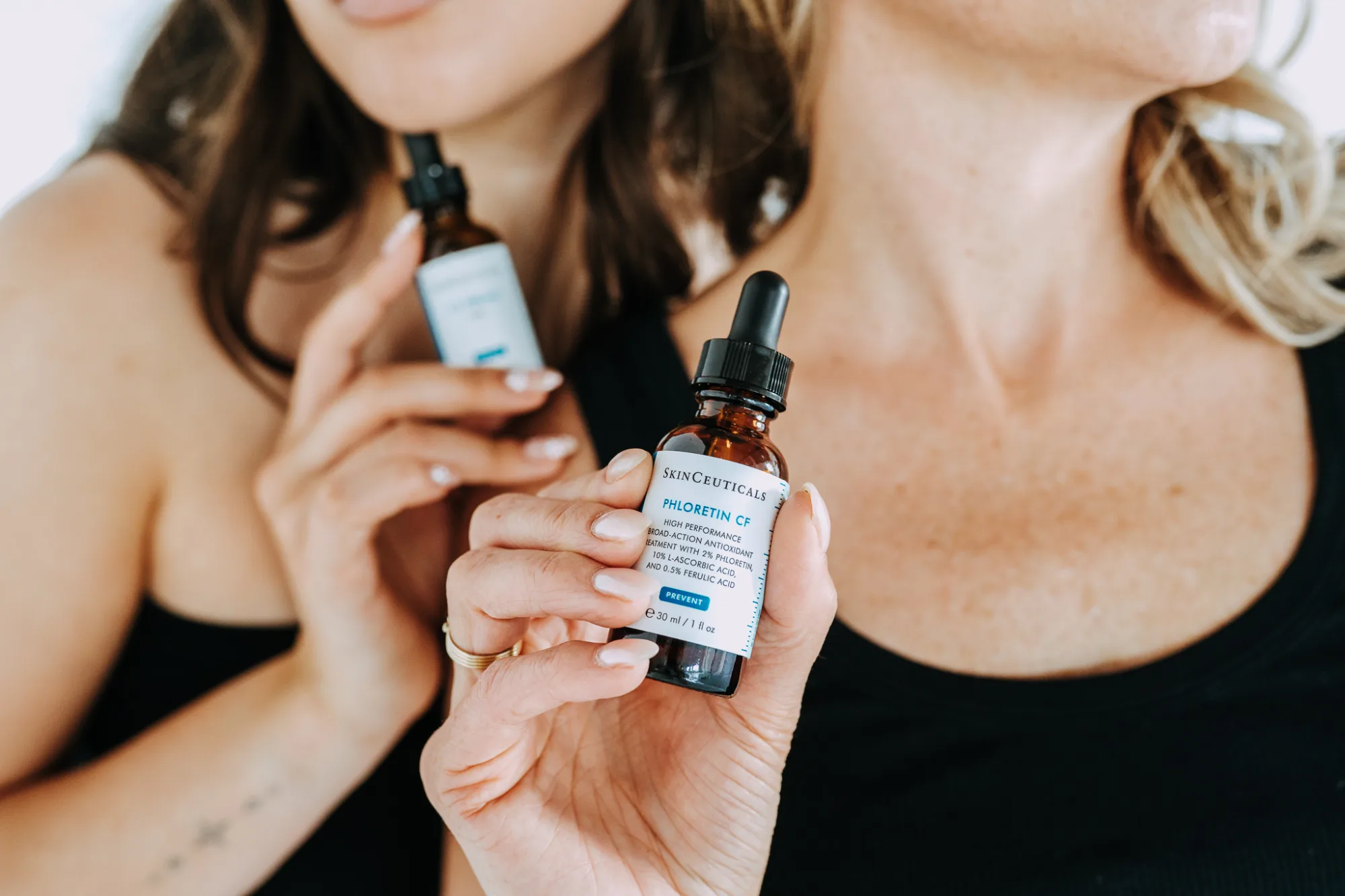
Your bathroom shelf is probably not short on anti-aging serums. What it might be short on is a clear understanding of which ingredients are actually doing something, and which order to use them in so they don't interact in ways that irritate your skin. Retinol, vitamin C, and peptides are the three most talked-about ingredients in this space, and each does something genuinely different.
Retinol: The Ingredient With the Most Evidence Behind It
Retinol, a derivative of vitamin A, is widely considered one of the best-supported topical ingredient for fine lines. It works by speeding up cell turnover and directly stimulating fibroblast activity, the cells responsible for producing new collagen. A clinical review on topical retinoids in family medicine practice confirms that retinoids improve photoaging through keratinocyte proliferation, dermal collagen formation, and a reduction in the enzymes (MMPs) that break collagen down. [1]
Retinol can cause dryness and irritation. The American Academy of Dermatology recommends beginning with a lower-strength formula every other night and gradually increasing use as tolerated. [5]
Retinol is best applied at night, since it can increase photosensitivity, and typically needs weeks of consistent use before changes become visible. Starting with a lower concentration and building up gradually reduces the irritation and peeling that often comes with introducing retinol too aggressively.
Vitamin C: Protection and Collagen Support, Together
Vitamin C (ascorbic acid) works differently. It's primarily an antioxidant, neutralizing the free radical damage caused by UV exposure and pollution, while also playing a direct role in collagen synthesis at the cellular level. [2] Because of its antioxidant role, vitamin C is typically applied in the morning, layered underneath sunscreen, to add a second layer of defense against the daytime damage that accelerates fine lines and pigmentation.
Nebraska Medicine's dermatology team describes a straightforward daily framework: a regular retinol at night, an antioxidant like vitamin C in the morning, alongside daily sunscreen and a gentle cleanser, as the foundation most people should establish before adding anything more advanced. [3]
Peptides: Slower, but Genuinely Supportive
Peptides are short chains of amino acids. Some topical peptides are designed to act as signaling molecules that support collagen production. They tend to be gentler than retinol, with less irritation potential, which makes them a reasonable option for more sensitive skin or as a complement to retinol rather than a replacement for it.
A clinical study on a peptide and vitamin C formulation found measurable improvement after consistent use: crow's feet, forehead wrinkles, and nasolabial folds all showed statistically significant reductions after 28 days, and a majority of participants reported smoother-looking skin and less visible fine lines. [4] The improvement was real but modest, which is a fair characterization of what peptides generally deliver: gradual, supportive change rather than a dramatic transformation.
Building a Routine That Actually Makes Sense
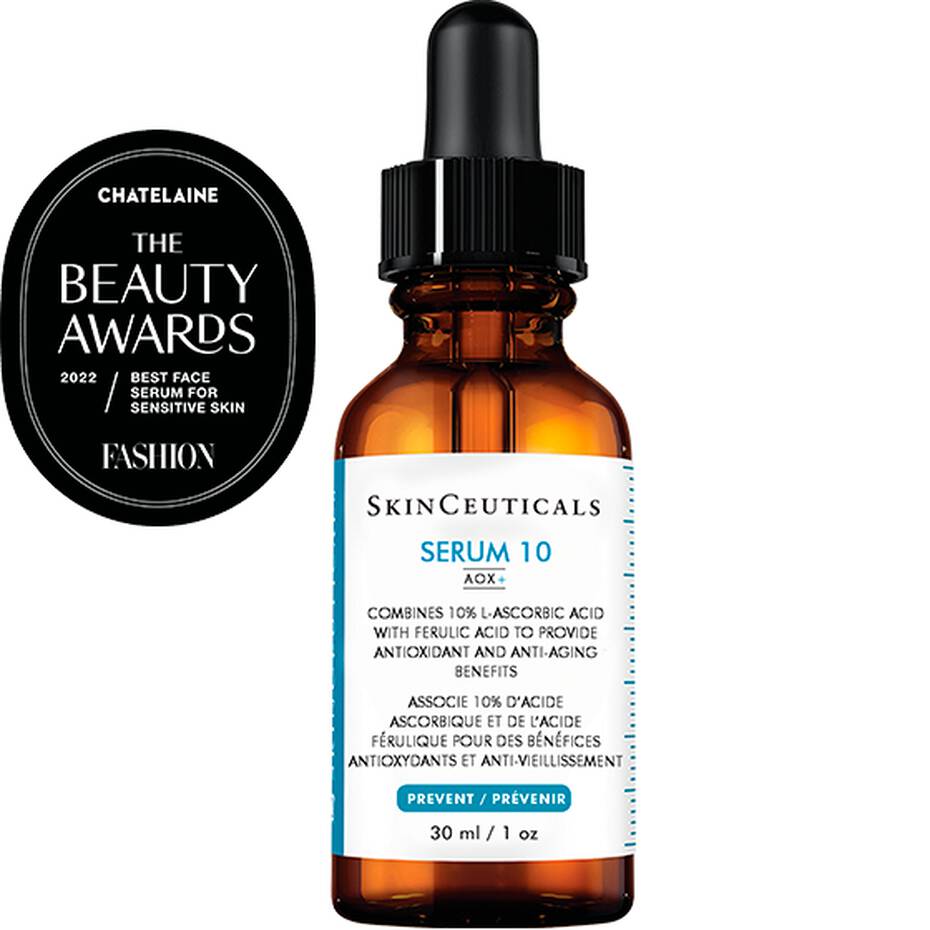
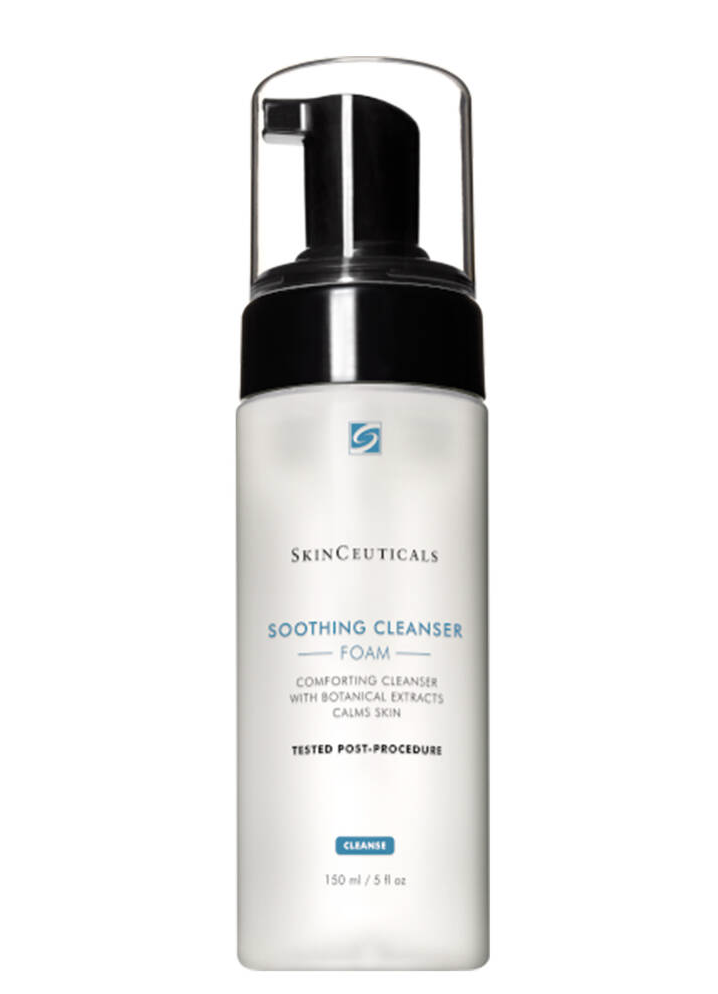
Morning: Soothing Cleanser, Serum 10 AOX+, moisturizer, and Physical Fusion UV Defense SPF 50. The American Academy of Dermatology recommends broad-spectrum, water-resistant sunscreen with SPF 30 or higher. [6]
Evening: Cleanser, retinol (starting 2 to 3 nights per week and building tolerance), moisturizer.
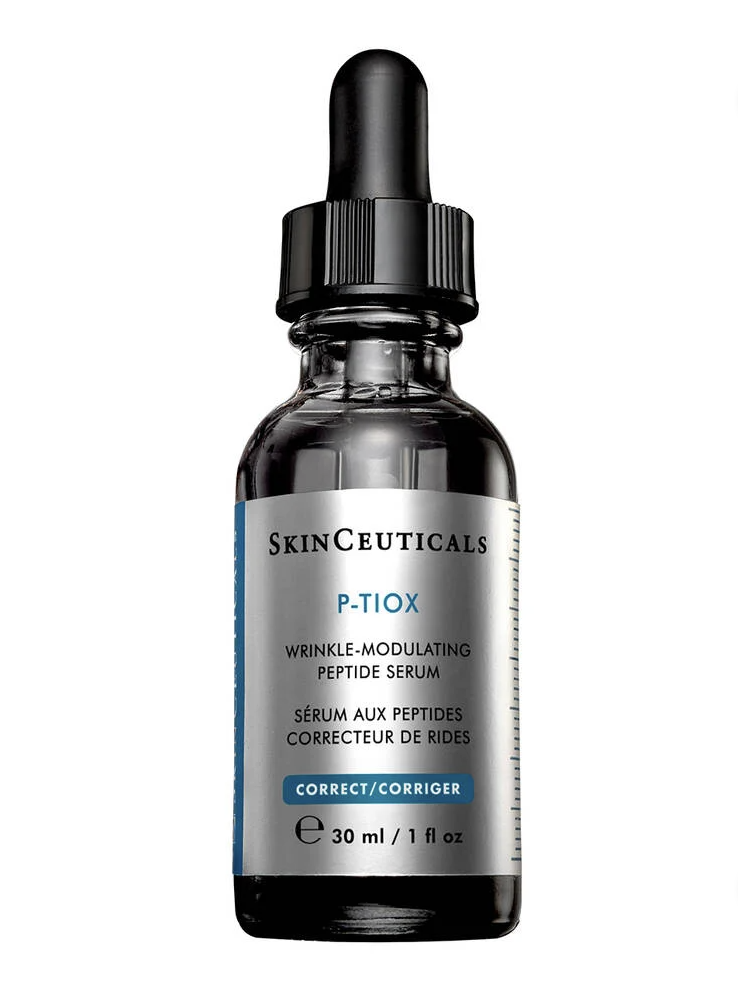
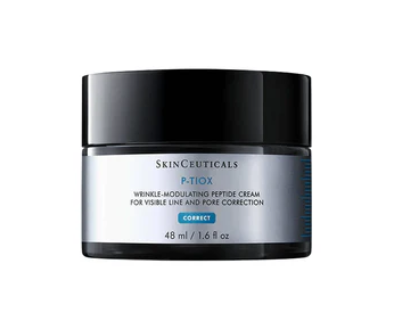
Peptides can be layered into either routine, typically in a serum applied after cleansing and before heavier creams, and are often a good entry point for those not yet ready for retinol's irritation profile. One SKIN Shop option is InterFuse Intensive Treatment LINES.
Nebraska Medicine's guidance is a useful sequencing principle here too: get the basics (cleanser, retinol, antioxidant, sunscreen) consistent first, and only add peptides or growth factor serums once that foundation is solid. [3] Layering in every active ingredient at once is a common mistake that tends to cause irritation without adding proportional benefit.
What Skincare Can't Do
This is worth being honest about: topical ingredients, even the well-supported ones, work at the surface and upper dermis. They can meaningfully improve fine lines, tone, and texture over months of consistent use, but they don't relax the muscle movement behind expression lines, and they don't restore volume lost with age. For those mechanisms, in-office treatments like neuromodulators, filler, or microneedling address what topical skincare structurally cannot. (Read our guide on non-invasive wrinkle reduction)
Why Choose SKIN Clinics for Medical-Grade Skincare Guidance
SKIN Clinics is one of Canada's leading networks of medical and cosmetic dermatology clinics, with locations in Calgary, Winnipeg, Regina, Brandon, and Steinbach. Our retail locations carry SkinCeuticals, a medical-grade skincare line formulated with clinically studied concentrations of vitamin C, retinoids, and peptides. Your provider can help you build a routine that's actually suited to your skin's tolerance and your treatment goals, rather than guessing at concentrations and combinations on your own. Book a consultation at a SKIN Clinics location near you.
Quick Takeaways
Retinol is the most well-supported ingredient for fine lines, working by speeding cell turnover and stimulating collagen production.
Vitamin C works primarily as an antioxidant and collagen-support ingredient, best used in the morning under sunscreen.
Peptides work more gradually and gently, signaling collagen and elastin production with a lower irritation profile than retinol.
A basic, consistent routine (cleanser, retinol, antioxidant, SPF) outperforms a complicated one applied inconsistently.
Adding too many active ingredients at once is a common mistake that increases irritation without proportional benefit.
Topical skincare cannot relax expression-related muscle movement or restore lost volume; those require in-office treatment.
A SKIN Clinics provider can help match ingredient concentrations to your skin's actual tolerance.
Clinical References
[1] Vitamin C, Topical Retinoids, and Sunscreen in Clinical Practice. ACOFP Journal, 2024;16(3). — https://acofp.org/news-and-publications/journal/article-detail/vol-16-no-3-fall-2024/vitamin-c-topical-retinoids-sunscreen-in-clinical-practice-essentials-for-family-physicians
[2] Ascorbic Acid (Vitamin C) as a Cosmeceutical to Increase Dermal Collagen for Skin Antiaging Purposes: Emerging Combination Therapies. — https://www.ncbi.nlm.nih.gov/pmc/articles/PMC9495646/
[3] Nebraska Medicine. The Big 4 Anti-Aging Topicals: Vitamin C Serum, Retinol, Growth Factors and Peptides. — https://www.nebraskamed.com/dermatology/the-big-four-anti-aging-topicals-vitamin-c-serum-retinol-growth-factors-and-peptides
[4] Effectiveness of a Formulation Containing Peptides and Vitamin C in Treating Signs of Facial Ageing: Three Clinical Studies. International Journal of Cosmetic Science. — https://www.ncbi.nlm.nih.gov/pmc/articles/PMC8247005/
[5] American Academy of Dermatology. Retinoid or Retinol? — https://www.aad.org/public/everyday-care/skin-care-secrets/anti-aging/retinoid-retinol
[6] American Academy of Dermatology. Sunscreen FAQs. — https://www.aad.org/media/stats-sunscreen
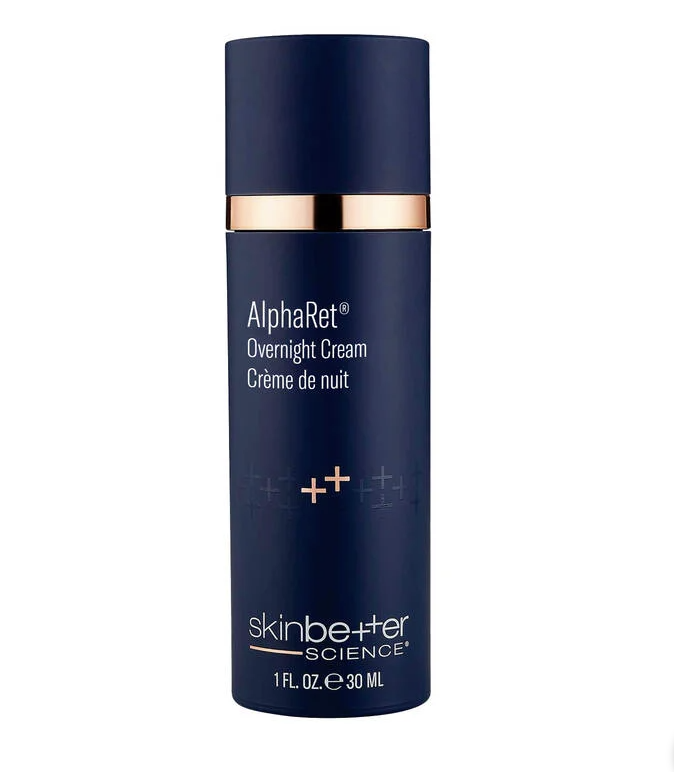
The skincare we recommend.
Personalised skin guidance
Book a complimentary consultation with a SKIN Clinics specialist to build a routine tailored to your goals.