Body Treatments We’re Loving This Winter: CoolSculpting and Skin Tightening
Stubborn fat or loose skin? They're not quite the same thing, and neither are the treatments. Discover how CoolSculpting and Body Skin Tightening work, what makes them different and why winter could be the perfect time to start.

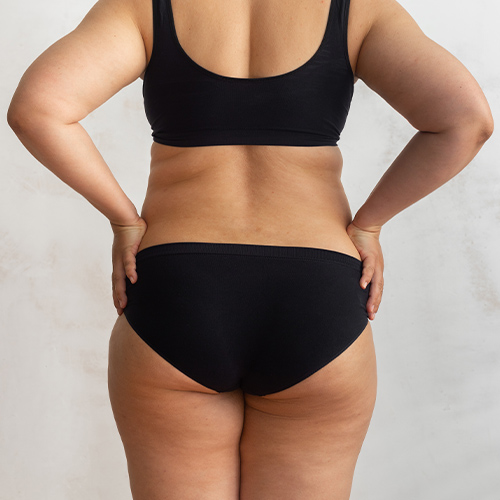
Two non-surgical options for stubborn fat and skin laxity, and why winter can be a great time to start
When the colder months arrive, body treatments may not be the first thing on your mind. But if you have been thinking about addressing stubborn areas of fat or loose, lax skin, winter can be a practical time to start.
CoolSculpting and Body Skin Tightening are both non-surgical body treatments, but they do different jobs. One targets localized, pinchable fat; the other focuses on skin laxity and firmness. Understanding that difference is an important first step in choosing a treatment plan that matches your goals.
First, What are you Trying to Treat?
Body contouring is not one-size-fits-all. A pocket of stubborn fat and an area of loose skin can sometimes affect the same part of the body, but they are different concerns and may need different approaches.
If your concern is localized, pinchable fat that remains despite your usual diet and exercise routine, CoolSculpting may be an option. If the concern is loose, lax or crepey skin, Body Skin Tightening may be more appropriate. [1, 2]
In some cases, both concerns may be present in the same area. That does not automatically mean both treatments are needed. A consultation allows your provider to assess what is contributing to the appearance of the area and recommend an approach based on your body, skin and goals.
CoolSculpting: Targeting Stubborn Fat Without Surgery
CoolSculpting uses cryolipolysis, or controlled cooling, to target subcutaneous fat cells. The treatment is designed around the fact that fat cells are more sensitive to cold than the surrounding tissues. After treatment, the affected fat cells are gradually cleared by the body over time, which can reduce the size of a localized fat bulge. [1, 3, 4]
The key word is localized. CoolSculpting is not a weight-loss treatment and it is not intended to treat obesity. It is better suited to specific areas of pinchable fat that remain even when someone is already relatively close to their goal weight. At SKIN Clinics, common treatment areas include the abdomen, flanks and love handles. [1, 3]
This distinction matters because body weight and body contour are not the same thing. A person may be comfortable with their overall weight but still have an area that feels out of proportion with the rest of their shape.
What Happens after CoolSculpting?
CoolSculpting changes are gradual. The FDA notes that the body’s immune system slowly clears fat released from the affected cells, usually over two to three months. That means the treated area does not change all at once, and individual results vary. [3]
A minimum of two sessions per area is a general starting point, although the number of treatments depends on the individual, the treatment area and the desired outcome. [1] Beginning in winter can therefore give you time for consultation, treatment, follow-up and gradual changes before warmer weather returns.
CoolSculpting is non-surgical and generally involves minimal recovery time, but it is still a medical aesthetic procedure with potential side effects and contraindications. Temporary redness, swelling, bruising, discomfort or numbness can occur, and rare complications are also possible. Certain cold-sensitivity conditions and circulation concerns may make cryolipolysis unsuitable. A proper consultation is important before treatment. [1, 3]
Body Skin Tightening: Focusing on Firmness and Texture
Sometimes the issue is not excess fat at all. Skin can gradually lose firmness as collagen and elastin change with age, pregnancy or weight fluctuations. On the body, this may appear as lax, loose or crepey skin, particularly around areas such as the abdomen, arms, thighs and knees. [2]
At SKIN Clinics, Body Skin Tightening uses controlled laser energy to heat the skin and support collagen remodelling and elastin fibres in the deeper layers. The aim is to improve the appearance of firmness, texture and contour without surgically removing skin. [2, 5, 6]
This makes it fundamentally different from CoolSculpting. If you can pinch a pocket of fat but the overlying skin has good firmness, fat reduction may be the main conversation. If the concern is skin that looks or feels loose even without a significant fat bulge, skin tightening may be the more relevant option to discuss.
What does Body Skin Tightening feel like?
Body Skin Tightening uses a controlled warming process. Most clients experience warmth across the treatment area, and the procedure is designed to deliver energy without ablating the outer surface of the skin. [2]
Recovery is generally minimal. Mild redness or swelling can occur after treatment and typically settles quickly. After treatment, you may be advised to temporarily avoid heat exposure, strenuous exercise and physical exfoliation, with aftercare tailored to you. [2]
Skin-tightening results also require patience. The treatment works by stimulating processes within the skin rather than physically removing loose skin. Because collagen remodelling develops over time, improvement is expected to be gradual rather than immediate. Non-surgical tightening can be useful for skin laxity, but it is not the same as a surgical body lift and cannot be expected to reproduce surgical results. [2, 5, 6]
CoolSculpting vs. Body Skin Tightening: what is the difference?
The simplest way to separate the two treatments is by the tissue being targeted:
· CoolSculpting: targets localized, pinchable subcutaneous fat.
· Body Skin Tightening: targets skin laxity, firmness and texture.
Neither treatment is intended to solve every body-contouring concern. CoolSculpting does not primarily treat loose skin, while Body Skin Tightening is not primarily a fat-reduction treatment. Non-invasive body contouring also does not replace weight management or produce the same degree of change as surgical procedures such as liposuction or a body lift. [3, 5]
For some people, the concern is clearly one or the other. For others, fat and skin laxity overlap. This is where an assessment matters: treating the wrong concern is unlikely to give you the change you are looking for.
Why can Winter be the Perfect Time to Start?
There is no rule that body treatments have to begin in winter. The advantage is mainly timing.
Both CoolSculpting and Body Skin Tightening involve gradual change, and a treatment plan may involve more than one appointment. Starting earlier gives you time to move through the recommended plan, allow the body or skin to respond, and review progress without trying to rush the process just before spring or summer. [1, 2, 3]
Beginning with a consultation in winter also gives you a clearer idea of what can realistically be achieved and how long your individual plan may take. That can be more useful than waiting until a particular event or season is close and expecting an immediate change.
Who’s a Good Candidate?
A good candidate is not simply someone who wants a change. The concern has to match what the treatment is designed to address.
For CoolSculpting, suitable candidates may include people who are within reach of their goal weight and have stubborn, pinchable areas of fat they would like to contour. [1] Health history matters because some cold-related conditions, circulation problems and other factors can affect whether cryolipolysis is appropriate. [3]
Body Skin Tightening may be suitable for people with lax skin after weight loss, post-pregnancy changes, or laxity on areas such as the abdomen, arms, thighs and knees. [2]
A consultation also helps set expectations. Non-surgical body treatments can create visible changes, but individual response varies, and the goal should be improvement rather than a guaranteed or surgical-level transformation.
Frequently Asked Questions
Can CoolSculpting tighten loose skin?
CoolSculpting is designed primarily to reduce localized subcutaneous fat, not to tighten loose skin. If skin laxity is the main concern, a skin-tightening treatment may be more appropriate. If both concerns are present, your provider can assess which should be addressed and in what order. [1, 2]
Does Body Skin Tightening remove fat?
Body Skin Tightening at SKIN Clinics is focused on laxity, texture, collagen and elastin rather than targeted fat reduction. If the concern is a distinct pocket of pinchable fat, CoolSculpting may be the more relevant treatment to discuss. [1, 2]
How soon should I start if I am thinking ahead to summer?
There is no single timeline that applies to everyone. CoolSculpting changes can continue to develop over a period of months, and a minimum of two sessions per area is generally recommended as a starting point. Skin-tightening changes are also gradual because collagen remodelling takes time. Starting in winter gives you more room for assessment, treatment and follow-up rather than relying on a last-minute appointment. [1, 2, 3]
Start with the right question
It is easy to begin by asking, “Which body treatment should I get?” A better starting point may be, “What am I actually trying to change?”
Stubborn fat and loose skin are not the same concern and are not treated in the same way. Understanding whether you are dealing primarily with fat, laxity or a combination of the two helps make the treatment conversation more useful from the start.
If body concerns have been sitting on your list for a while, winter may be a good time to make time for your SKIN.
Ready to explore your options? Book a complimentary consultation with SKIN Clinics to discuss your goals and build a treatment plan that is appropriate for you.
References
1. SKIN Clinics. CoolSculpting - Treatment Information and FAQs.
2. SKIN Clinics. Body Skin Tightening - Treatment Information and FAQs.
3. U.S. Food and Drug Administration. Non-Invasive Body Contouring Technologies.
4. Hakami A, et al. Effectiveness of Cryolipolysis in Body Contouring and Fat Reduction: A Systematic Review and Meta-analysis (2025).
5. Mazzoni D, et al. Review of non-invasive body contouring devices for fat reduction, skin tightening and muscle definition (2019).
6. Jerdan K, Fabi S. A noninvasive approach to off-face skin laxity and tightening: a review of the literature (2015).
The skincare we recommend.
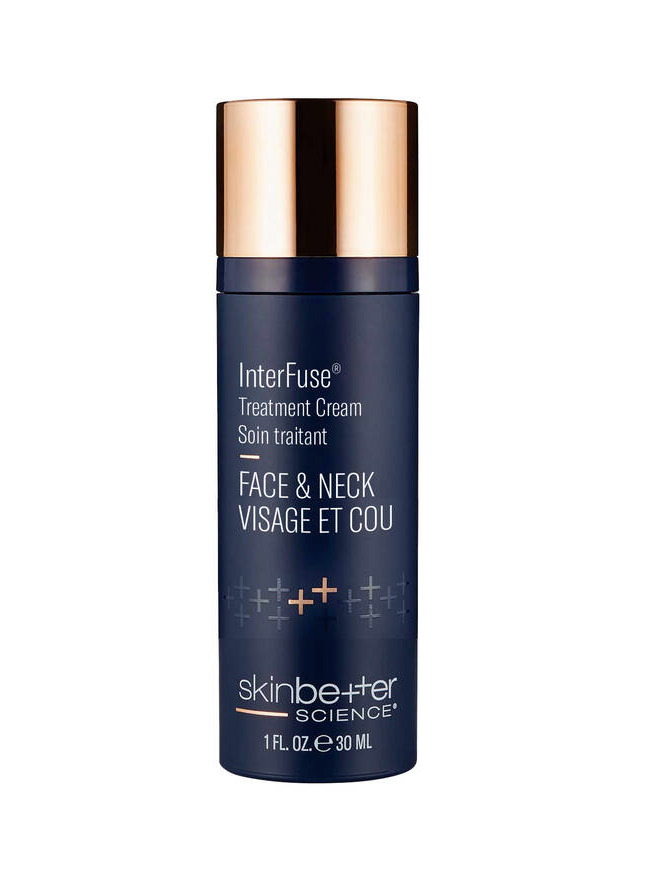
Personalised skin guidance
Book a complimentary consultation with a SKIN Clinics specialist to build a routine tailored to your goals.