Best Skincare for Rosacea: Ingredients That Soothe and Protect
Rosacea-prone skin needs specific skincare ingredients to calm inflammation and strengthen the skin barrier. Niacinamide and azelaic acid are FDA-approved and clinically proven effective, while ingredients like benzoyl peroxide, strong acids, and fragrance commonly trigger flare-ups. Build a minimal, evidence-based routine that supports rather than irritates your skin.

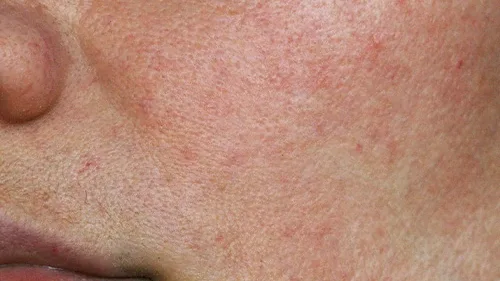
If you have rosacea, you already know that one wrong product can turn a calm skin day into a flare-up. Benzoyl peroxide that works wonders for your friend's acne? Irritation city for you. A toner that promises hydration? More burning sensation. Retinol that everyone raves about? Instant redness.
Rosacea-prone skin often needs a gentler skincare strategy than normal or acne-prone skin. Ingredients that benefit other skin types may worsen irritation or trigger a flare-up.
This guide walks you through the ingredients that actually help rosacea - based on clinical evidence from credible medical sources - and which ones to avoid. By the end, you'll know exactly how to build a skincare routine that supports your skin barrier instead of attacking it.
Why Rosacea Skincare Is Different
Rosacea is a common inflammatory skin condition that causes redness on your face or other parts of your body, including your eyes.[1] Rosacea often begins with a tendency to blush or flush more easily than other people.[2]
Rosacea is not simply a bacterial condition; inflammation, vascular changes, and skin sensitivity can all play a role.[8] This means your skincare approach needs to focus on:
Calming inflammation (not killing bacteria)
Strengthening your skin barrier (not stripping it)
Protecting against triggers (not adding irritants)
This is why an acne-focused routine may be too harsh for rosacea-prone skin. Strong exfoliation or drying products can increase irritation, while rosacea care usually emphasizes gentle cleansing, moisturizing, sun protection, and individualized treatment.
Related: Learn more about rosacea treatment options at SKIN Clinics and how skincare fits into a complete care plan.
Best Ingredients for Rosacea
Niacinamide (Vitamin B3)
Niacinamide has been shown to ease inflammation, which can help calm redness due to conditions like acne, rosacea and eczema.[3] It may be a useful ingredient in rosacea-prone skincare when well tolerated.
A niacinamide-containing moisturizer may help support the skin barrier and improve some signs and symptoms of rosacea.[4] A SKIN Clinics product example is Trio Luxe Moisture Treatment.
Clinical evidence: In a randomized, investigator-blind study of 50 people with rosacea, a niacinamide-containing facial moisturizer improved skin-barrier measurements and was associated with improvement in rosacea signs and symptoms.[4]
Concentration: Niacinamide products come in different strengths. Start with a lower concentration and introduce it gradually, especially if your skin is sensitive. Even at this modest level, it delivers real benefits without irritation.
How it works: Niacinamide can support the skin barrier by helping the skin maintain essential lipids and hydration. In rosacea-prone skin, this may help reduce dryness and sensitivity.[4]
Azelaic Acid
Azelaic acid may help reduce inflammatory papules, pustules, and redness associated with rosacea.[5][6] Different formulations and strengths are available, and suitability depends on the individual.
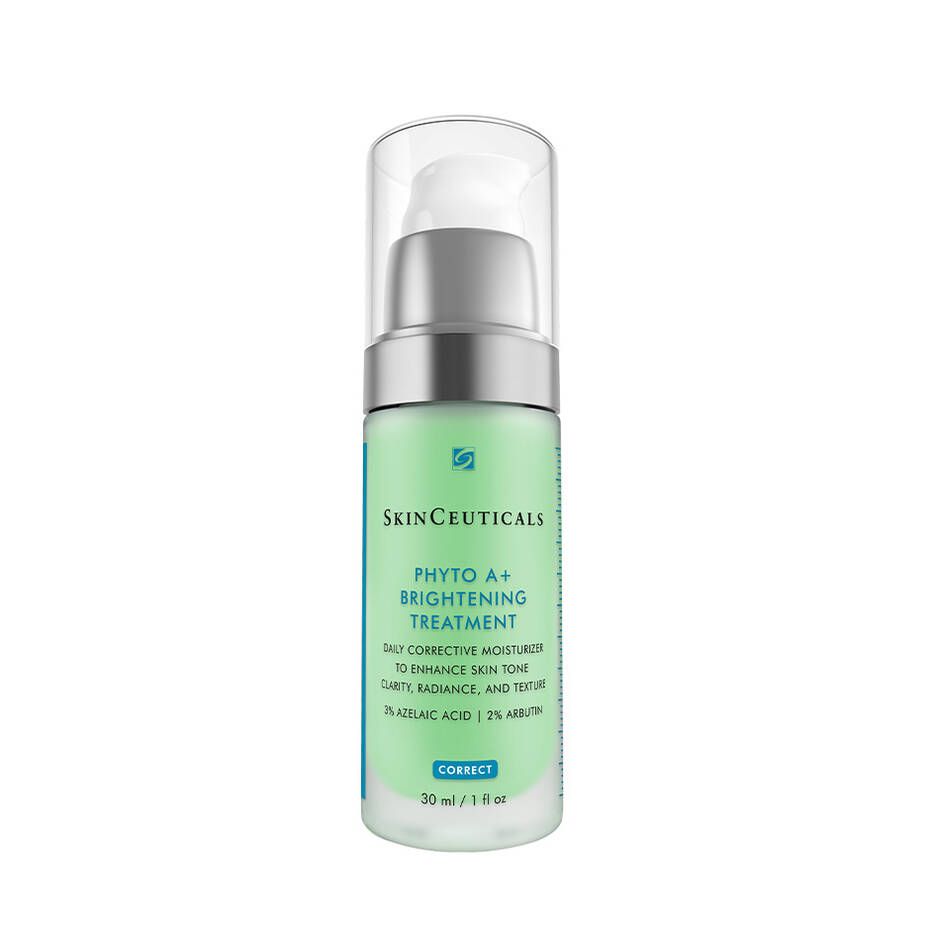
This ingredient is commonly used in rosacea care, but it may not suit every skin type. A SKIN Shop option containing azelaic acid is Phyto A+ Brightening Treatment.
How it works: Azelaic acid may reduce redness and inflammatory lesions partly by limiting oxidative processes involved in inflammation.[6]
Clinical standing: According to peer-reviewed clinical research, azelaic acid has multiple anti-inflammatory, antibacterial, and keratolytic properties. It inhibits the production of inflammatory mediators in the skin.[7]
Formulations and strengths vary. A qualified healthcare provider can help determine whether azelaic acid is appropriate for your skin.
Recommended use: Follow the directions for your specific product and your healthcare provider's guidance.
Recommended use: Azelaic acid is applied twice daily.[5] Consult your dermatologist about whether the prescription 15% or an over-the-counter 10% concentration is right for your situation.
Mineral Sunscreen (Zinc Oxide & Titanium Dioxide)
Sun exposure is one of the most common triggers for rosacea.[1] If sunscreen tends to irritate your skin, look for a fragrance-free mineral sunscreen containing zinc oxide, titanium dioxide, or both.[9]
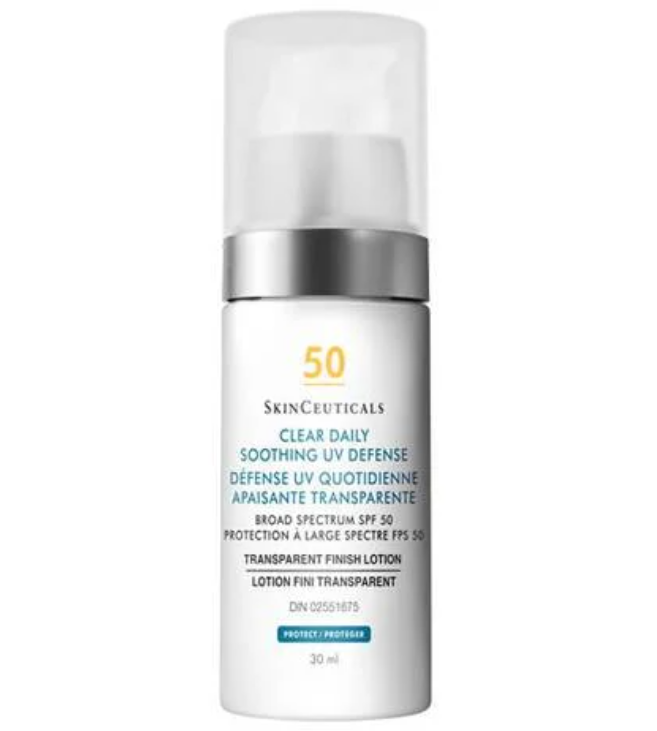
Mineral (physical) sunscreens are gentler than chemical sunscreens and provide immediate protection. Look for SPF 50+ with zinc oxide or titanium dioxide as the main active ingredient. A SKIN Shop option is Colorescience Sunforgettable Total Protection Face Shield Flex SPF 50.
Ingredients to Avoid (The Rosacea Triggers)
Just as important as knowing what helps is knowing what hurts. These ingredients are common in skincare but worsen rosacea.
Benzoyl Peroxide
Benzoyl peroxide can be useful for acne, but rosacea-prone skin may react differently. Dryness, burning, or irritation can occur, especially with stronger or traditional formulations.
Benzoyl peroxide can be drying or irritating for some rosacea-prone skin. Formulation and individual tolerance matter, so introduce it only with professional guidance.[5]
If irritation develops, stop use and seek individualized advice.
Why caution matters: Traditional benzoyl peroxide formulas can cause dryness and irritation. Ask a dermatologist whether any benzoyl peroxide product is appropriate for your rosacea.
Alternative: Traditional benzoyl peroxide formulas can cause dryness and irritation. Ask a qualified provider whether any benzoyl peroxide product is appropriate for your rosacea.
Strong Exfoliating Acids
According to clinical practice guidelines, rosacea-prone skin should avoid harsh exfoliants. The treatment must be tailored by a physician on an individual basis, and in many cases combination therapy may be necessary for optimal treatment.[9]
Glycolic acid, salicylic acid, and other strong AHAs/BHAs trigger intense irritation on rosacea skin. They dissolve not just dead cells but also your skin barrier.
Fragrance (Synthetic & Essential Oils)
While fragrance isn't specifically addressed in major medical guidelines for rosacea skincare, many dermatologists recommend avoiding irritants that could trigger flares. Fragrance is a known skin irritant.
Alcohol (Especially Denatured Alcohol)
Alcohol-based products are common skincare irritants that can strip the skin barrier. For rosacea-prone skin, avoiding high-alcohol formulas is prudent.
How to Build a Rosacea-Safe Skincare Routine
A practical rosacea skincare routine is simple and gentle: cleanser, moisturizer, sunscreen, and any prescribed treatment recommended for your symptoms.[8][9]
The foundation (non-negotiable):
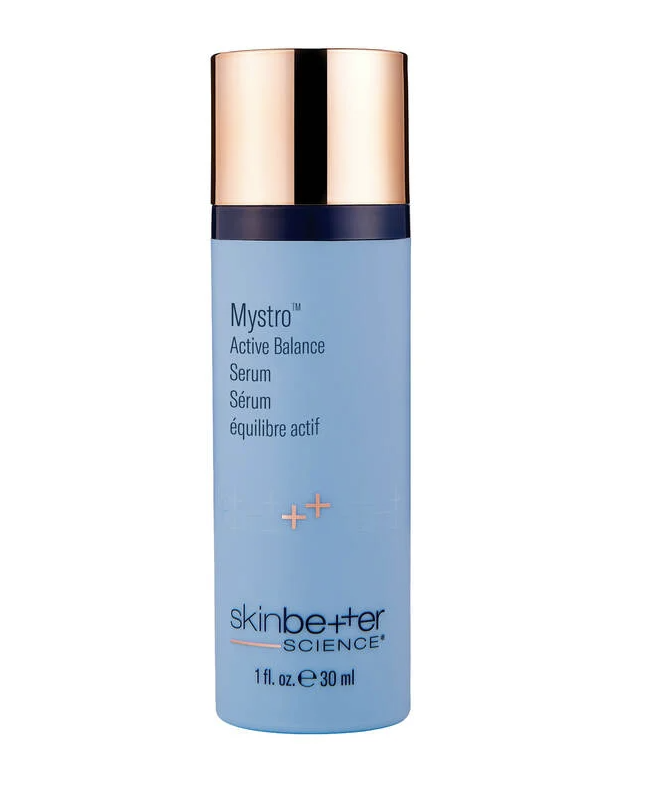
Mystro Active Balance Serum has received the National Rosacea Society Seal of Acceptance, meaning it was reviewed for ingredients generally suitable for sensitive, rosacea-prone skin.[10]
Gentle cleanser (creamy, non-foaming)
Moisturizer, such as Trio Luxe Moisture Treatment or Phyto A+ Brightening Treatment
Mineral sunscreen SPF 50+ (daily)
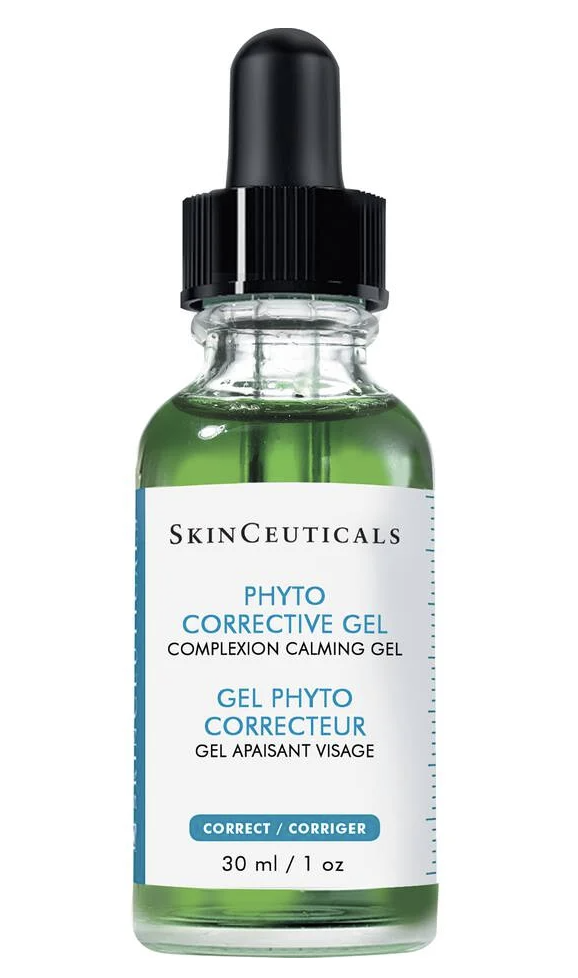
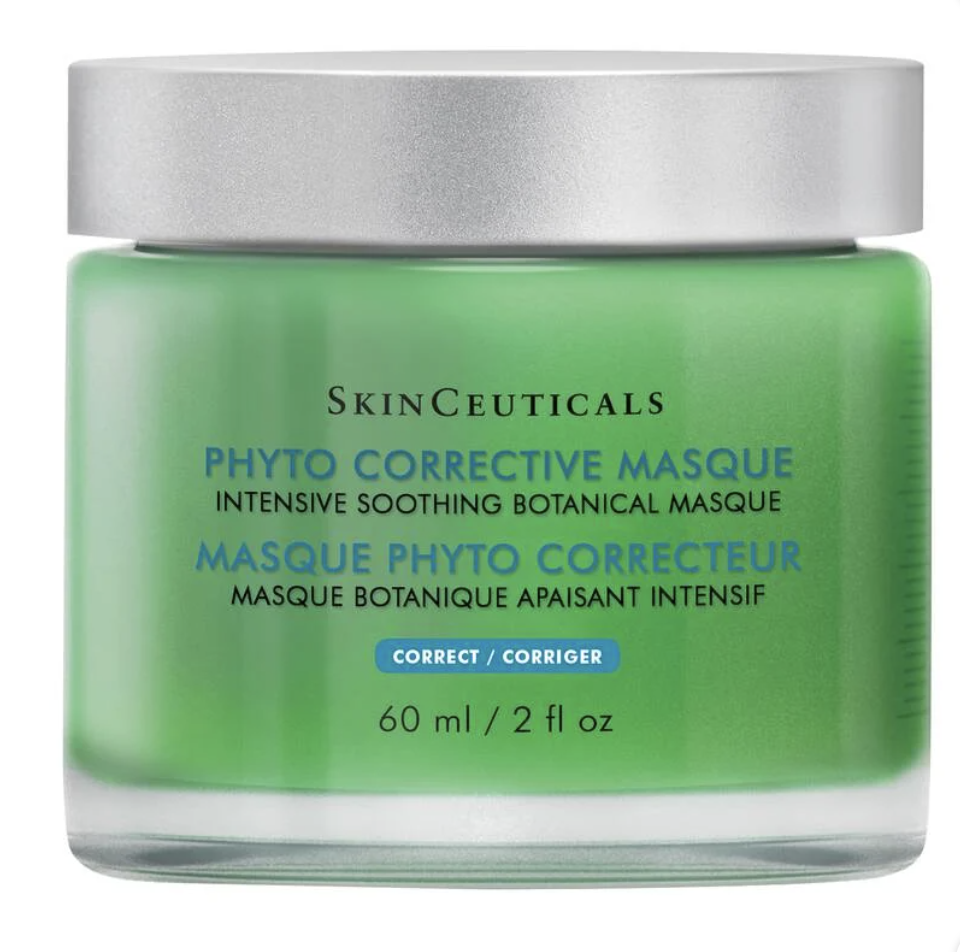
SKIN Shop options to discuss with your provider include Gentle Cleanser, Colorescience Sunforgettable Total Protection Face Shield Flex SPF 50, Phyto Corrective Gel, and Mystro Active Balance Serum. Product suitability varies, so personalized recommendations from the SKIN Clinics team are best.
Optional additions (introduce one at a time):
Azelaic acid product (if recommended by your provider)
Hydrating B5 Gel (for hydration)
Simple moisturizing ingredients
Golden rules for rosacea skincare:
The initial approach to therapy may include avoidance of flushing triggers along with cosmetic concealment, gentle skin care, and sun protection.[9]
Patch test everything before applying to your whole face. Rosacea-prone skin can react unpredictably, even to products labeled "gentle" or "for sensitive skin."
Keep a diary of which products cause reactions. Identifying your personal triggers is critical for rosacea management.
The Bottom Line
Rosacea skincare isn't about fancy ingredients or products. What works for one patient may not be appropriate for another.[9]
The goal is to build a simple, well-tolerated routine that supports comfort and complements any treatment recommended for your symptoms.
If you're struggling to find the right products or your rosacea isn't responding to at-home skincare, book a consultation with a medical aesthetician. Prescription therapies approved by the FDA for the treatment of rosacea should be prescribed by a dermatologist tailored to your individual needs.[5]
Quick Takeaways
Niacinamide may help support the skin barrier and calm visible redness associated with rosacea
Azelaic acid may help reduce inflammatory bumps and redness associated with rosacea
Use caution with traditional benzoyl peroxide, strong acids, fragrance, and high-alcohol formulas
Mineral sunscreen with zinc oxide or titanium dioxide may be better tolerated by rosacea-prone skin; use SPF 50+ daily
Every rosacea case is unique, and care should be individualized with guidance from a qualified provider
Minimal routines work best: cleanser, moisturizer, SPF 50+, then add products carefully with professional guidance
Patch test everything before full-face application
References
[1] Cleveland Clinic. "Rosacea: Symptoms, Causes, Triggers & Treatment." Accessed July 2026. https://my.clevelandclinic.org/health/diseases/12174-rosacea
[2] American Academy of Dermatology (AAD). "Rosacea: Overview." Accessed July 2026. https://www.aad.org/public/diseases/rosacea/what-is/overview
[3] Cleveland Clinic. "Niacinamide: What It Is and Skin Benefits." Accessed July 2026. https://health.clevelandclinic.org/niacinamide
[4] Draelos ZD, Ertel K, Berge C. “Niacinamide-containing facial moisturizer improves skin barrier and benefits subjects with rosacea.” Cutis. 2005;76(2):135–141. https://pubmed.ncbi.nlm.nih.gov/16209160/
[5] National Rosacea Society. "FDA-Approved Treatments for Rosacea." Accessed July 2026. https://www.rosacea.org/patients/management-options/fda-approved-rosacea-treatments
[6] PubMed Central (NIH). "Rosacea: Practical Guidance and Challenges for Clinical Management." Accessed July 2026. https://pmc.ncbi.nlm.nih.gov/articles/PMC10821660/
[7] PubMed Central (NIH). "Azelaic Acid: Mechanisms of Action and Clinical Applications." Accessed July 2026. https://pmc.ncbi.nlm.nih.gov/articles/PMC11512533/
[8] American Academy of Dermatology (AAD). “Rosacea: Diagnosis and Treatment.” Accessed July 2026. https://www.aad.org/public/diseases/rosacea/treatment/diagnosis-treat
[9] American Academy of Dermatology (AAD). “7 Rosacea Skin Care Tips Dermatologists Recommend.” Accessed July 2026. https://www.aad.org/public/diseases/rosacea/triggers/tips
[10] National Rosacea Society. "Mystro Active Balance Serum." Seal of Acceptance. Accessed August 2026. https://www.rosacea.org/seal-of-acceptance/product/skinbetter-science-mystro-active-balance-serum
The skincare we recommend.
Personalised skin guidance
Book a complimentary consultation with a SKIN Clinics specialist to build a routine tailored to your goals.